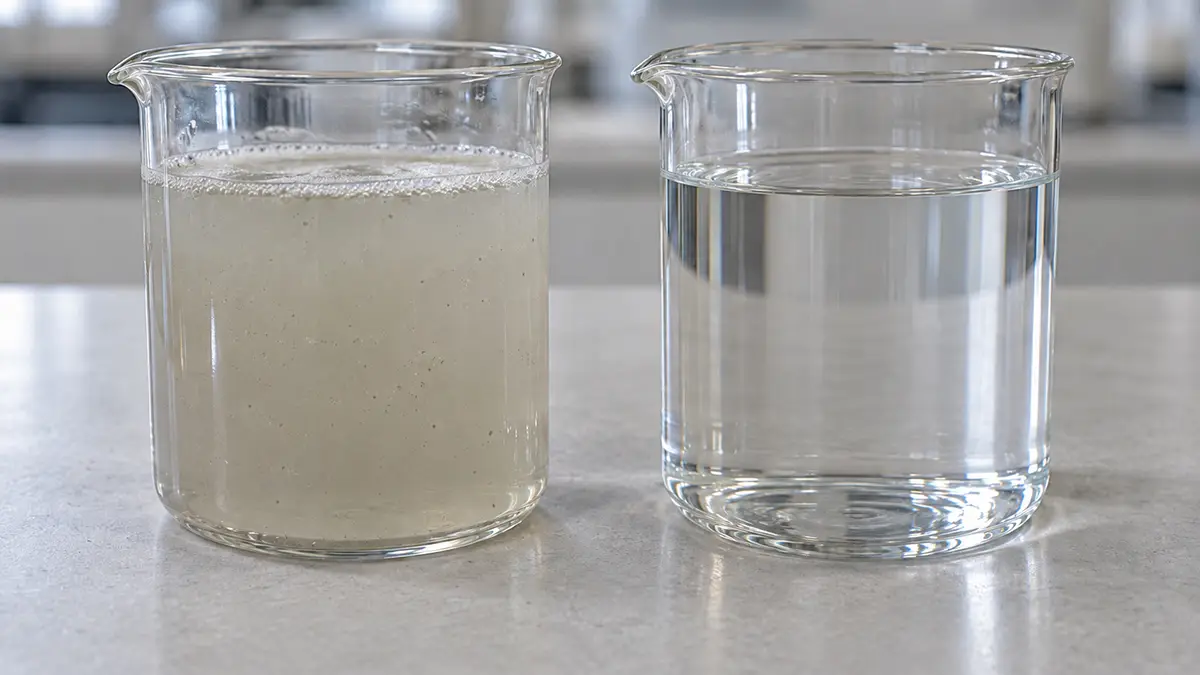
Water Recycling
Grey Water Recycling
Treat grey water from showers, baths and washbasins for reuse in toilet flushing, landscape irrigation and other suitable applications, helping reduce freshwater demand.
View DetailsRielli provides ultrafiltration, reverse osmosis, and complementary water treatment solutions to prepare irrigation water that meets the requirements of greenhouse cultivation and soilless agriculture. Treatment processes are selected according to source water characteristics, helping growers establish controlled irrigation and plant nutrition programs.
In agricultural production, water quality is just as important as water quantity. Dissolved salts, alkalinity, and mineral balance in irrigation water can affect plant growth, nutrient uptake, and irrigation equipment performance. Particularly in soilless cultivation, understanding source water characteristics is essential for preparing an appropriate nutrient solution.
Irrigation water carries dissolved substances into the root zone along with the water itself. Undesirable ions or high salinity levels in the source water may negatively affect plant growth and crop quality, depending on the salt tolerance of the cultivated species.
The following parameters should be evaluated when determining irrigation water treatment requirements:
The same water quality targets do not apply to every crop. Water analysis results should be interpreted according to the cultivated plant species and growing medium.
For further information, explore Penn State University’s guide to interpreting irrigation water tests.
In soilless cultivation, plants receive essential nutrients through a carefully prepared and controlled nutrient solution. Minerals already present in the source water also contribute to the composition of this solution. Therefore, water analysis results must be taken into account when developing a fertilization program.
Electrical conductivity (EC) measurements provide information about the overall dissolved ion concentration of a nutrient solution. However, EC alone does not indicate which nutrients are present or their individual concentrations.
Evaluating pH, EC, and the necessary chemical analyses together supports effective irrigation water and nutrient management.
Ultrafiltration (UF) uses membrane technology to separate suspended particles from water. Depending on source water characteristics, it can be considered for irrigation water preparation or as a pretreatment stage before reverse osmosis.
Suitable membrane configurations and operating conditions should be selected according to the required water quality.
For related solutions, visit our Ultrafiltration Units and Modules page.
Reverse osmosis (RO) can be used when the dissolved salt concentration of source water needs to be reduced. Membrane selection, pretreatment requirements, and operating conditions are determined based on water analysis results.
The characteristics of the water produced after reverse osmosis must also be considered when preparing the plant nutrition program.
The objective is to produce irrigation water suitable for the specific requirements of the cultivation process.
For available system options, explore our Industrial Reverse Osmosis Systems page.
Depending on source water characteristics and contamination risks, preliminary filtration and microbiological control processes may be necessary.
For water sources such as surface water, potential plant pathogens should also be evaluated.
The overall treatment process should be designed by considering these biological risks alongside the chemical characteristics of the water.
Rielli’s greenhouse and soilless agriculture water treatment solutions are designed to achieve the required irrigation water quality.
An appropriate water treatment approach can support controlled cultivation, help maintain crop quality, and contribute to more efficient use of water resources.
Actual results depend not only on the water treatment system but also on plant nutrition practices, greenhouse climate conditions, and overall operational management.
To determine the most suitable water treatment solution for your greenhouse or soilless cultivation project, you can provide the following information:
Share your irrigation water characteristics and agricultural production requirements with Rielli to evaluate suitable water treatment technologies for your project.
→ Request Information and a Quote for Greenhouse and Soilless Agriculture Water Treatment Solutions
Treat grey water from showers, baths and washbasins for reuse in toilet flushing, landscape irrigation and other suitable applications, helping reduce freshwater demand.
View Details ↗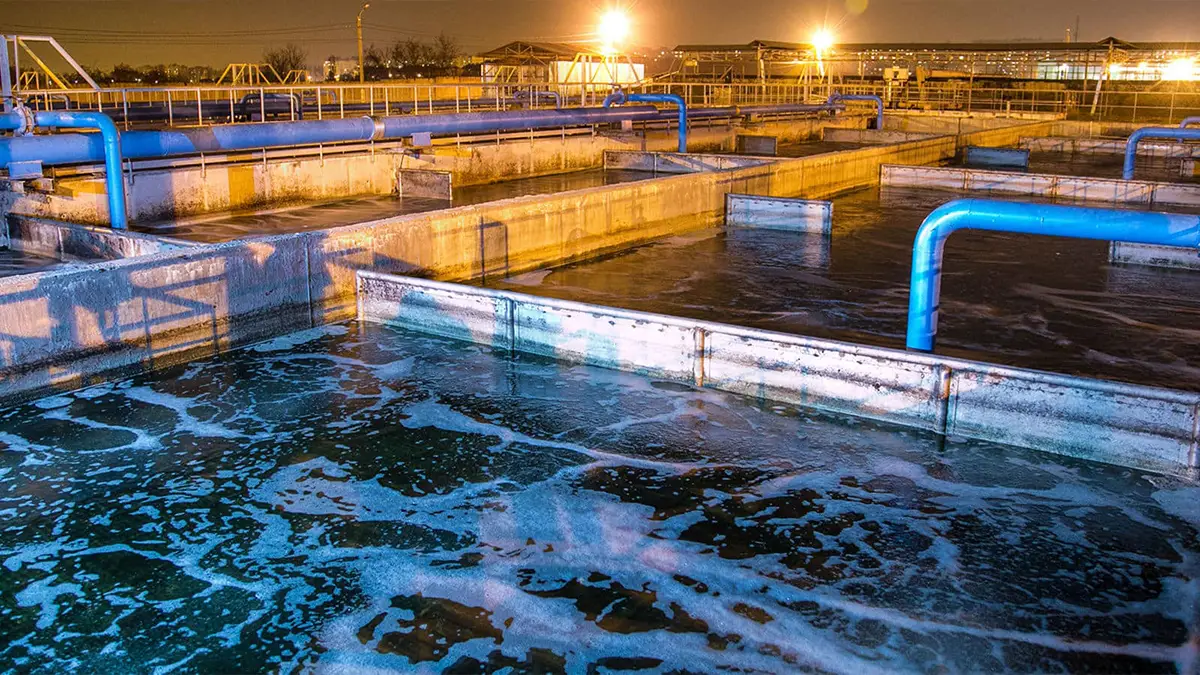
Produce process water with physical and chemical properties tailored to the specific requirements of industrial operations.
View Details ↗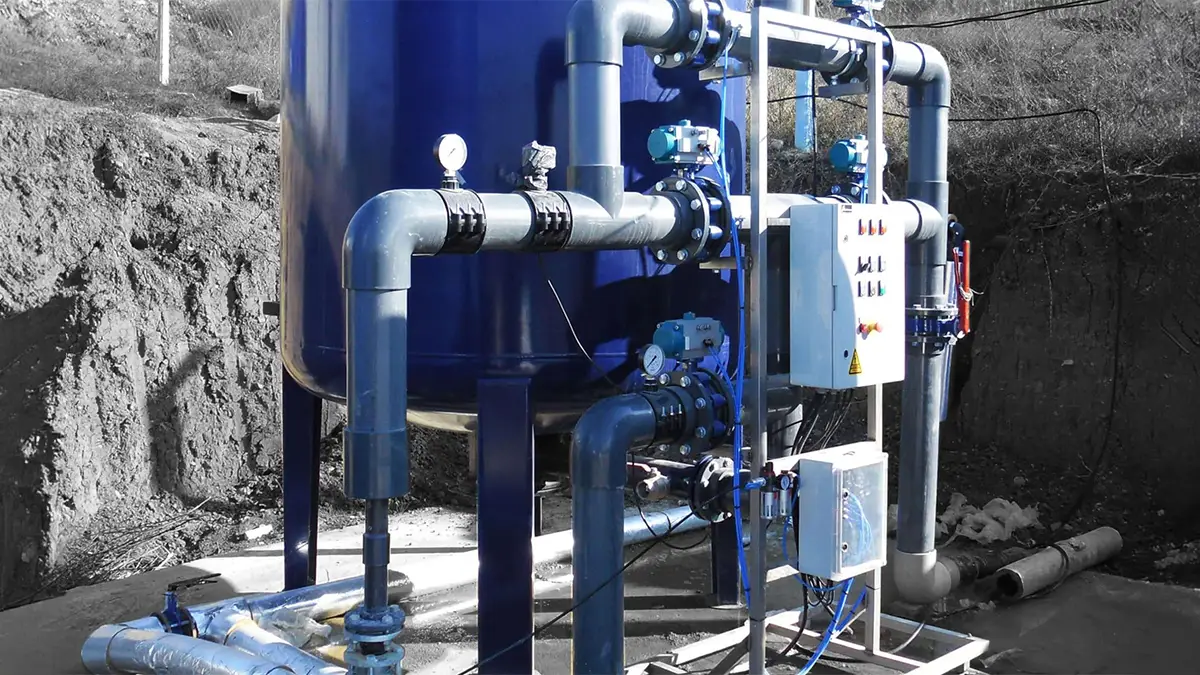
Rielli drinking water treatment systems combine user-friendly design, online monitoring and cost-effective operation with engineering and service support.
View Details ↗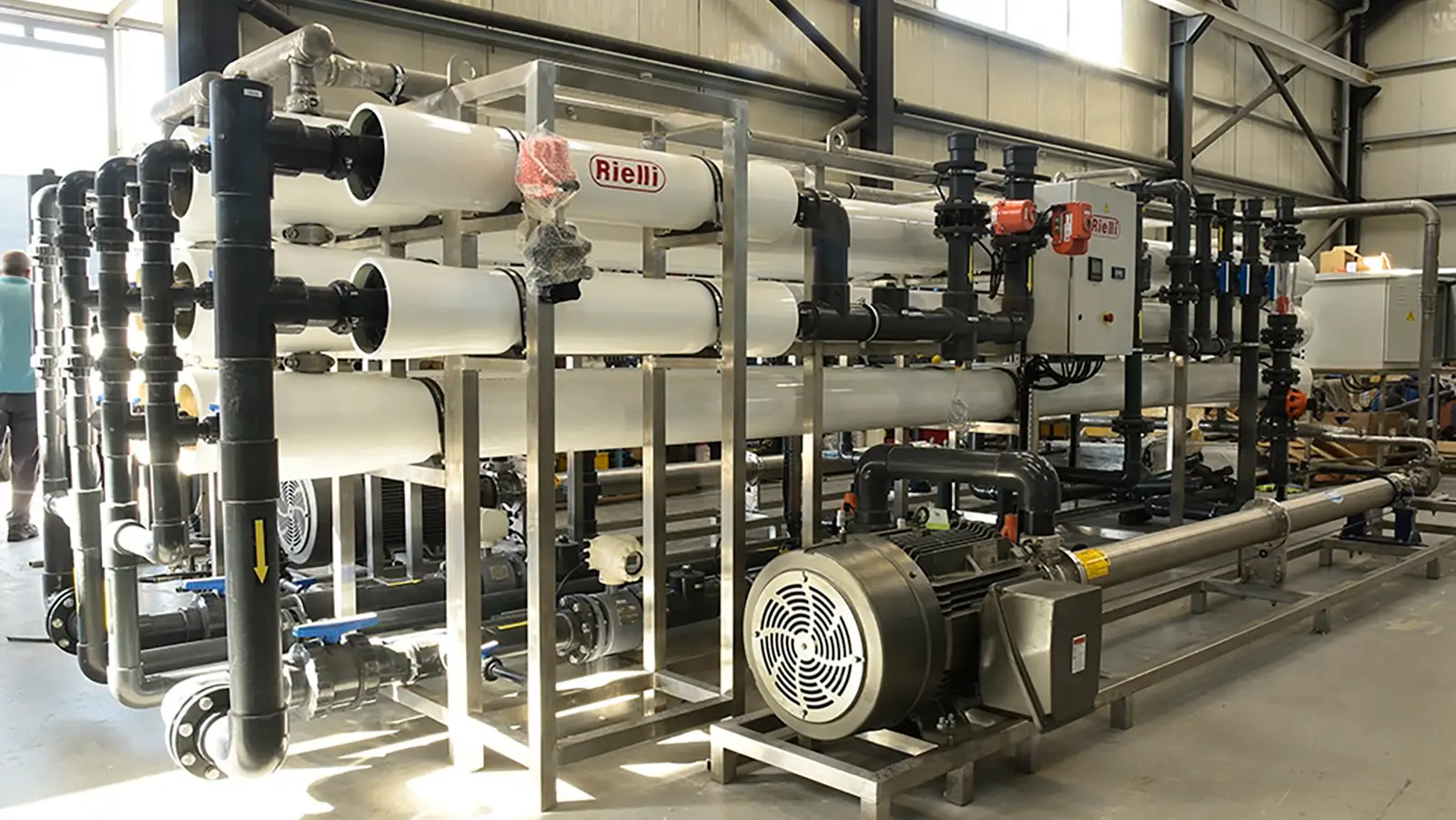
Turn seawater and highly saline groundwater into drinking water through treatment solutions designed for challenging water sources.
View Details ↗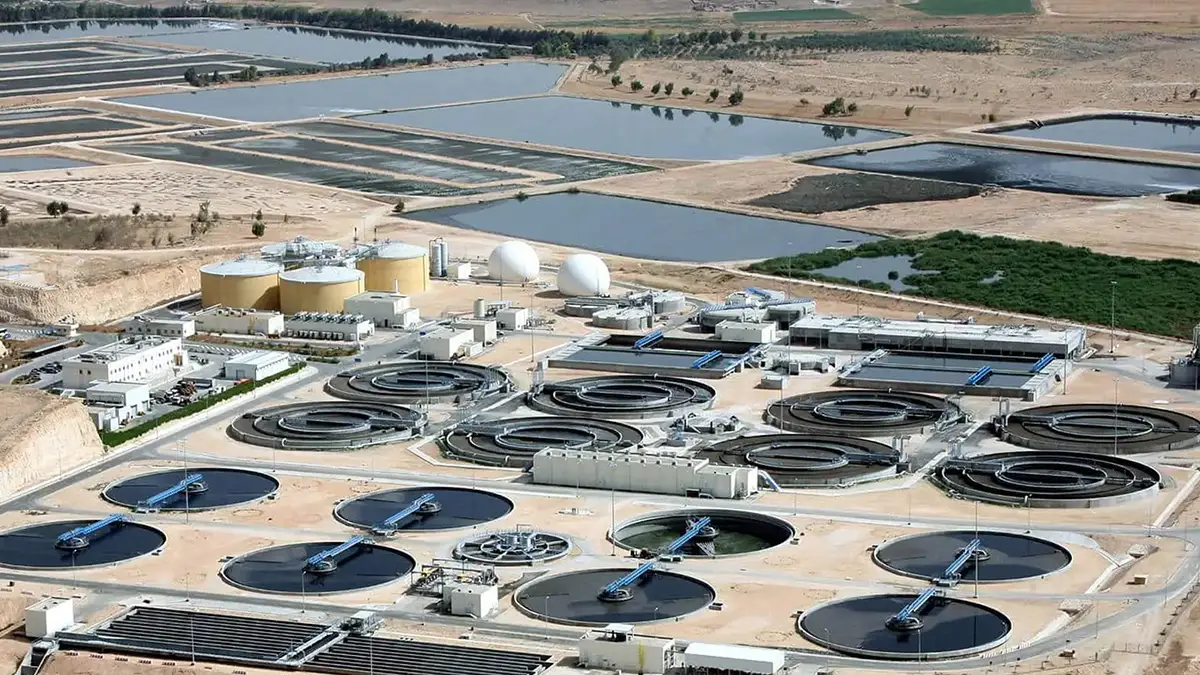
Recover municipal or industrial wastewater for suitable process water applications, reducing freshwater consumption and wastewater discharge.
View Details ↗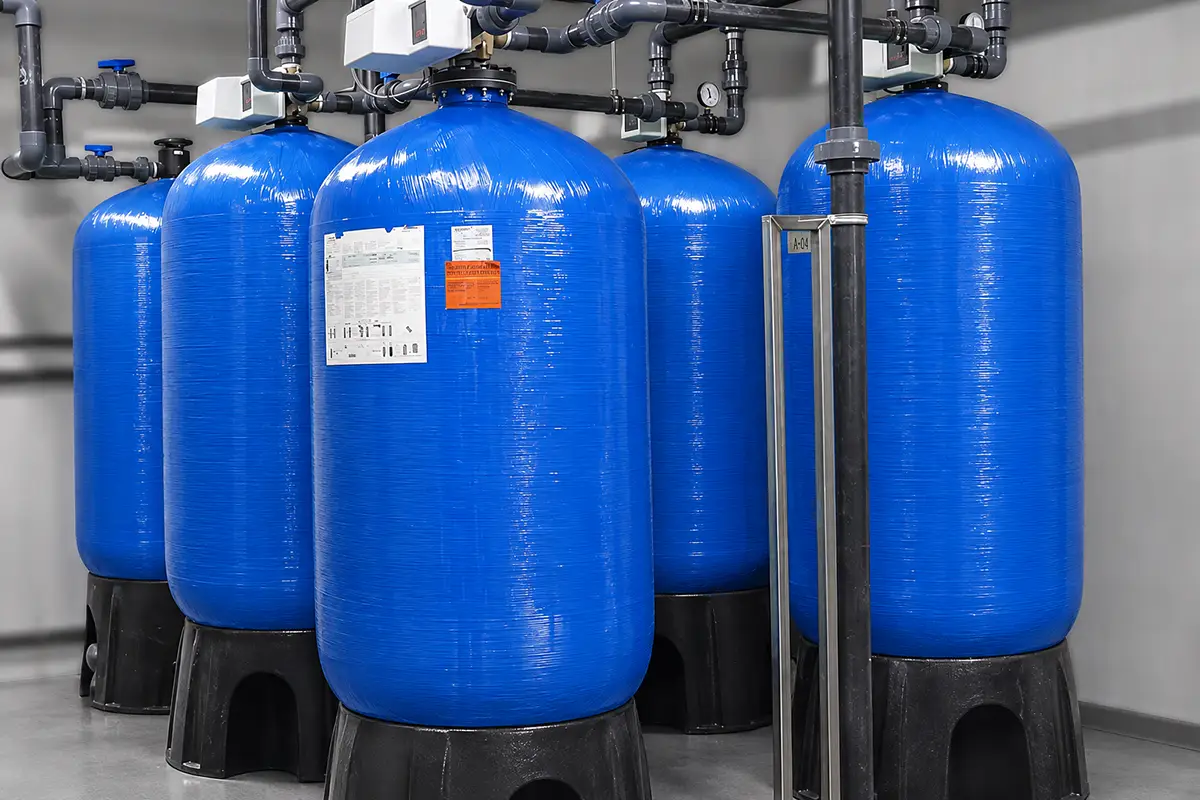
Recover water generated during the backwashing of multimedia filters, activated carbon filters and water softening systems.
View Details ↗The salt, mineral, and alkalinity content of irrigation water affects plant nutrient uptake and the characteristics of the growing medium. Water treatment tailored to the source water helps maintain better control over irrigation and fertilization programs.
Treatment requirements should be determined by evaluating water analysis results alongside the specific needs of the cultivated crops.
Rielli provides ultrafiltration (UF), reverse osmosis (RO), and complementary water treatment solutions for greenhouse cultivation and soilless agriculture.
The appropriate technologies are selected based on source water characteristics and the required irrigation water quality.
Key parameters include pH, electrical conductivity (EC), alkalinity, hardness, sodium, and chloride.
Depending on the application, boron, calcium, magnesium, iron, manganese, and other elements may also need to be analyzed.
The scope of water testing should be determined according to the water source and the crops being cultivated.
There is no single ideal pH or EC value that applies to all crops and growing conditions.
Target values should be established according to the plant species, growth stage, and nutrient management program.
Additionally, the pH and EC values of untreated source water should be evaluated separately from those of the nutrient solution after fertilizers have been added.
No. Electrical conductivity (EC) provides information about the combined effect of dissolved ions but does not identify individual ions or their concentrations.
Two water samples with similar EC values may have different concentrations of sodium, chloride, or essential plant nutrients.
Therefore, EC monitoring should be supported by appropriate chemical water analyses.
pH indicates how acidic or alkaline water is, while alkalinity represents its capacity to neutralize acids.
Alkalinity influences pH changes in the growing medium and the treatment required for pH adjustment.
For this reason, irrigation water should not be evaluated based on pH alone.
For further information, explore Penn State University's guide to interpreting irrigation water tests.
No. Reverse osmosis (RO) may be considered when dissolved salts or specific contaminants in the source water need to be reduced.
The need for treatment should be determined based on water analysis results and the salt tolerance of the cultivated crops.
For available treatment options, visit our Industrial Reverse Osmosis Systems page.
Ultrafiltration (UF) uses membranes to remove suspended particles from water.
Depending on the characteristics of the source water, it can be used for irrigation water preparation or as a pretreatment stage before reverse osmosis.
For information about suitable systems, visit our Ultrafiltration Units and Modules page.
Reverse osmosis reduces dissolved substances in water but does not produce the nutrient solution required for plant growth.
In soilless cultivation, the nutrient solution must be prepared according to crop requirements, taking into account the analysis results of the treated water.
The fertilizer formulation should be determined as part of the overall cultivation and plant nutrition program.
Sodium-based ion-exchange water softeners replace calcium and magnesium ions with sodium ions.
Since this process can increase sodium concentrations in irrigation water, conventional sodium-cycle water softeners should not be considered a general-purpose solution for greenhouse or nursery irrigation.
The appropriate treatment technology must be selected according to the ionic composition of the water and the specific requirements of the crops.
System capacity is determined by evaluating daily water demand, peak hourly consumption, irrigation schedules, and planned operating hours.
Water storage requirements and seasonal variations in consumption must also be considered.
Rather than sizing the system solely according to greenhouse area, actual water consumption data should be used whenever available.
You can provide your latest water analysis results, water source information, cultivated crop species, and daily water requirements.
Information about the production method, target water quality, existing irrigation infrastructure, and available installation space will also help with the technical assessment.
For a water treatment solution tailored to your agricultural operation, please contact Rielli.
For more information about water treatment systems, technologies, and applications, visit our Frequently Asked Questions (FAQ) page. Find answers to common questions about reverse osmosis, seawater desalination, grey water recycling, wastewater reuse, membrane filtration systems, and industrial process water treatment.
→ Explore Our Frequently Asked Questions
At Rielli, we develop high-efficiency water treatment and recovery systems tailored to a wide range of needs—from industrial facilities and tourism infrastructure to the maritime sector and municipal applications. We provide customized solutions at every stage, from project design and commissioning to technical support and after-sales services.