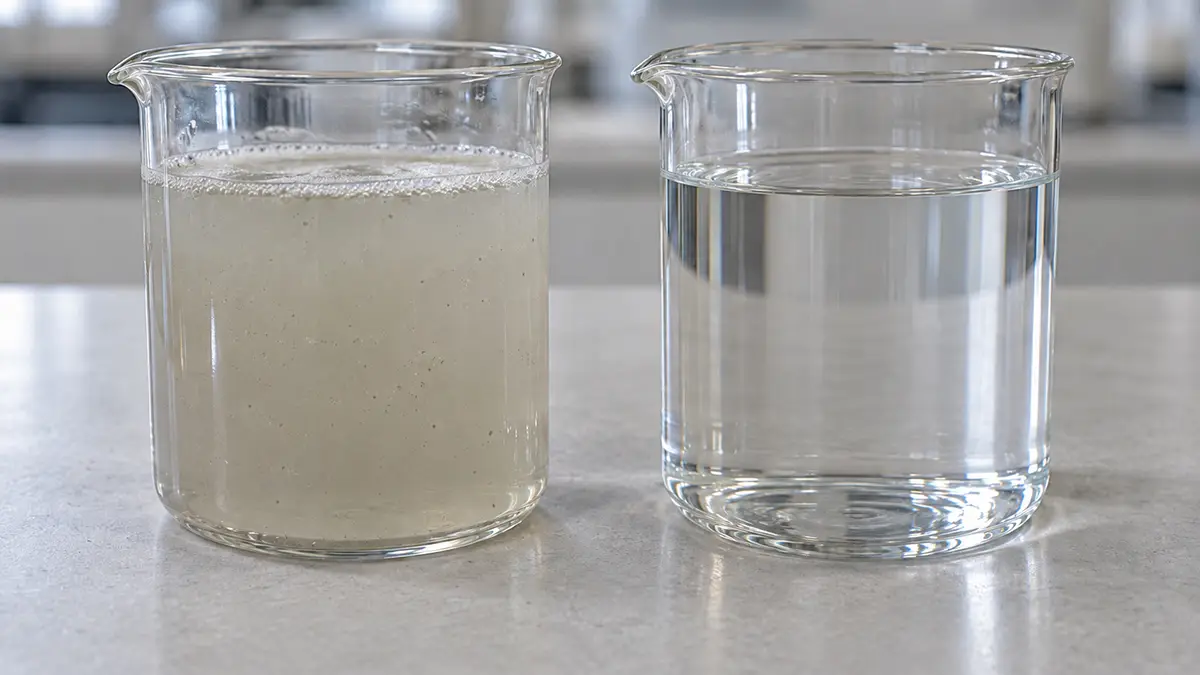
Water Recycling
Grey Water Recycling
Treat grey water from showers, baths and washbasins for reuse in toilet flushing, landscape irrigation and other suitable applications, helping reduce freshwater demand.
View DetailsRielli provides water recovery solutions designed to treat and reuse backwash water generated during filter cleaning operations. Using submerged or pressurized ultrafiltration systems, these solutions help facilities reduce water losses and improve overall water use efficiency.
Backwashing is essential for maintaining the reliable operation of filtration systems, but it can account for a significant portion of a facility’s total water consumption. Proper collection, treatment, and reuse of filter backwash water enable more efficient utilization of existing water resources.
During normal operation, filters capture particles and suspended solids from water. Backwashing removes these accumulated contaminants, generating a wastewater stream containing the separated materials.
Backwash water from multimedia and activated carbon filters, as well as initial backwash water from water softening units, may be considered for recovery.
However, saline regeneration and rinse streams from water softening systems should not be assumed to have the same characteristics as ordinary filter backwash water. Streams suitable for recovery must be identified and evaluated separately.
Since backwashing occurs at specific intervals, large volumes of water may be generated over a short period.
Collection and equalization systems are designed to ensure that these intermittent flows are supplied to the recovery treatment system in a controlled manner.
Suspended solids concentration, turbidity, and other potential contaminants must be evaluated when selecting the appropriate treatment method. Filter backwash water should not be assumed to contain only particulate matter.
Particularly in drinking water treatment plants, the point and rate of recycled water return must be determined to maintain the performance and reliability of the existing treatment process.
For further technical information, refer to the US Environmental Protection Agency (EPA) technical guidance on filter backwash water recycling.
Ultrafiltration (UF) uses membrane technology to separate suspended particles from water. Rielli applies this technology in water recovery systems and pretreatment processes upstream of reverse osmosis.
The appropriate ultrafiltration system must be selected based on feed water characteristics and the required treated water quality.
For information about available equipment, visit our Ultrafiltration Units and Modules page.
When the required water quality specifications are met, treated filter backwash water may be returned to the raw water supply line or used as feed water for a reverse osmosis system.
The appropriate reuse point must be determined based on water analysis results and the feed water requirements of the existing treatment system.
For applications involving reverse osmosis, explore our Industrial Reverse Osmosis Systems page.
A properly designed filter backwash water recovery system can help:
The actual benefits depend on the volume of water that can be recovered and the facility’s ability to reuse it consistently.
For general information about water reuse, explore the US Environmental Protection Agency (EPA) overview of water reuse.
Water savings are calculated by considering the number of filters, backwashing frequency, and the volume of water consumed during each backwash cycle.
The recovery system’s own backwashing and cleaning requirements must also be taken into account to determine the net volume of usable reclaimed water.
The economic evaluation compares existing water supply costs with energy consumption, maintenance, consumables, and the management costs of remaining waste streams.
Water savings and investment payback periods should be calculated using facility-specific operating data rather than generalized assumptions.
To request a quotation, you can provide information about the types and number of filters, backwashing duration, water consumption per backwash cycle, and available water analysis results.
The available installation space and the intended reuse point for the recovered water will also be evaluated during system selection.
→ Request Information and a Quote for Filter Backwash Water Recovery
Treat grey water from showers, baths and washbasins for reuse in toilet flushing, landscape irrigation and other suitable applications, helping reduce freshwater demand.
View Details ↗
Produce process water with physical and chemical properties tailored to the specific requirements of industrial operations.
View Details ↗
Rielli drinking water treatment systems combine user-friendly design, online monitoring and cost-effective operation with engineering and service support.
View Details ↗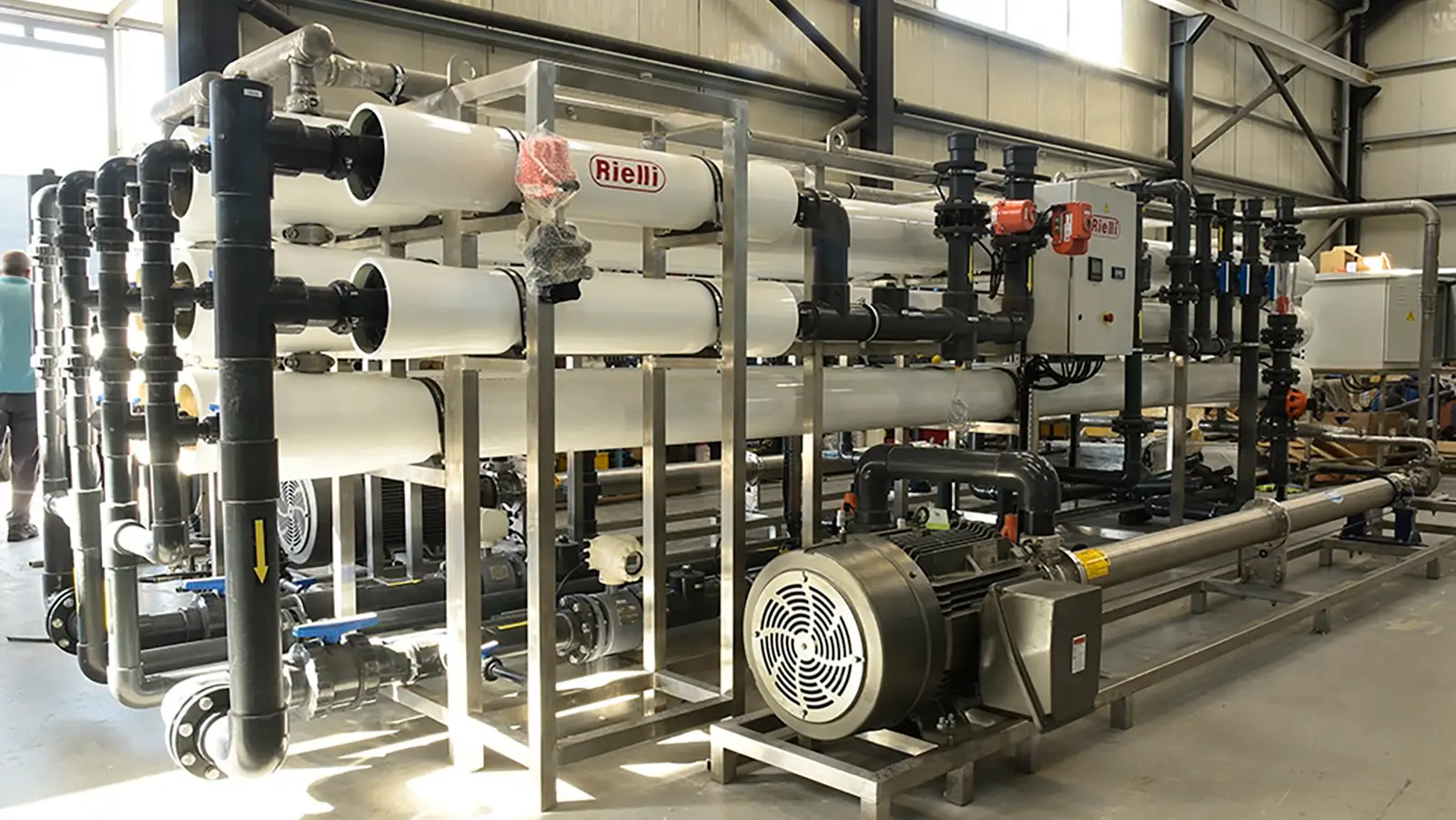
Turn seawater and highly saline groundwater into drinking water through treatment solutions designed for challenging water sources.
View Details ↗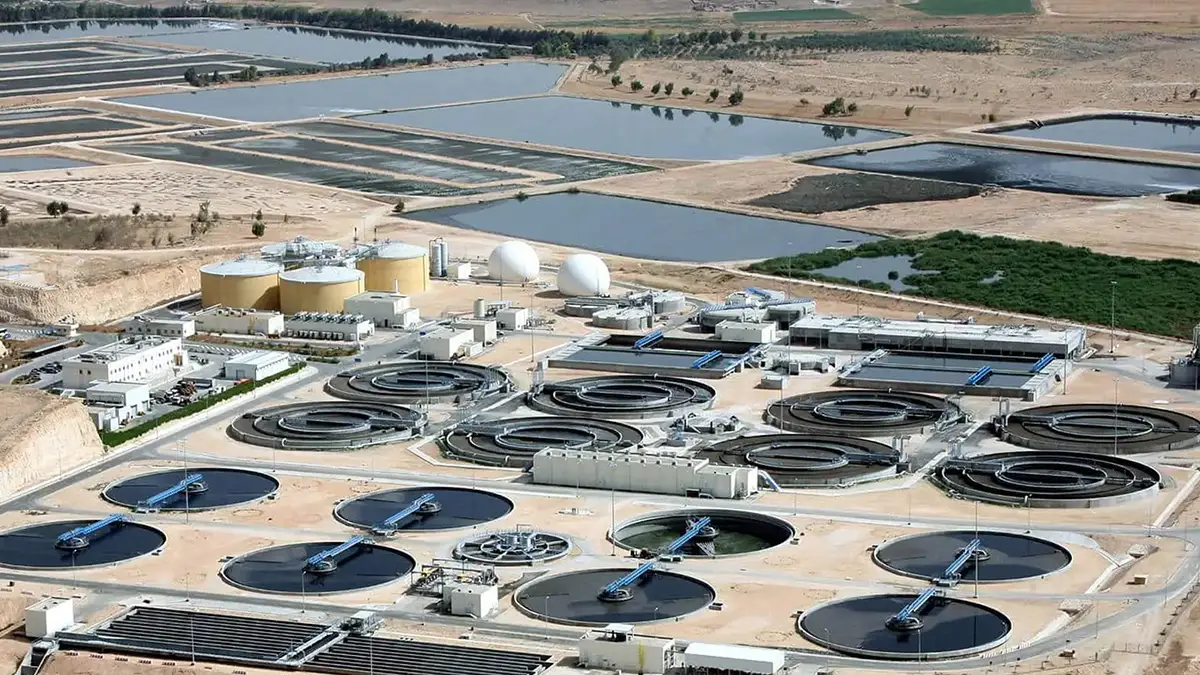
Recover municipal or industrial wastewater for suitable process water applications, reducing freshwater consumption and wastewater discharge.
View Details ↗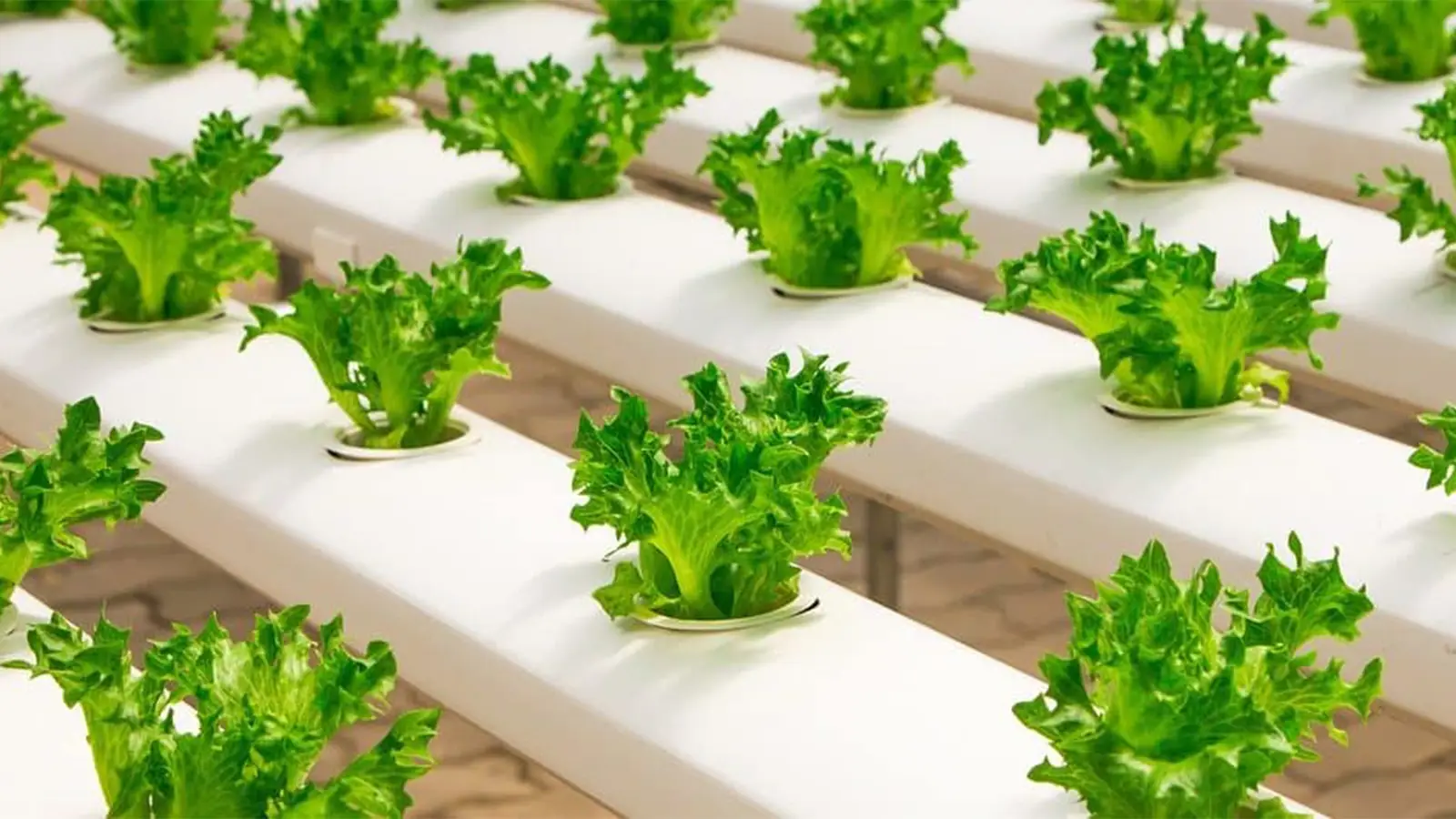
Improve irrigation water quality for greenhouse and soilless farming applications with treatment solutions tailored to agricultural water requirements.
View Details ↗Filter backwash water is wastewater generated during the cleaning of contaminants accumulated in filtration systems. The backwashing process removes particles retained by the filter, helping maintain its operational performance. This water may be recovered and reused after appropriate treatment.
Backwash water from multimedia and activated carbon filters, as well as initial backwash water from water softening units, may be considered for recovery.
Suitability must be determined based on water analysis results and the operating conditions of each wastewater stream. Rielli offers submerged and pressurized ultrafiltration solutions for these applications.
No. Initial backwash water, saline regeneration wastewater, and rinse streams may have different characteristics. These streams must be evaluated separately.
In particular, treatment designed only for particle removal should not be considered sufficient for wastewater containing high concentrations of dissolved salts.
Ultrafiltration (UF) uses membranes to separate suspended particles from water. It can be used to treat filter backwash water and, under suitable conditions, prepare feed water for reverse osmosis systems.
For available treatment options, visit our Ultrafiltration Units and Modules page.
When the required water quality specifications are met, recovered filter backwash water may be returned to the raw water supply line or used as feed water for reverse osmosis systems.
The appropriate reuse point must be determined according to water analysis results and the requirements of the existing treatment system.
For related applications, explore our Industrial Reverse Osmosis Systems page.
Filter backwash water should not be returned directly to the raw water tank without evaluating its treatment requirements.
Backwash water may contain concentrated levels of contaminants previously retained by the filters. The return point and flow rate must be designed to avoid negatively affecting the performance of the existing water treatment process.
For further information, refer to the US Environmental Protection Agency (EPA) technical guidance on filter backwash water recycling.
Backwashing operations can generate large volumes of water within a short period. An equalization tank helps collect this water and feed it into the recovery treatment system at a controlled flow rate.
The required tank capacity depends on backwashing frequency, water consumption per backwash cycle, and the treatment system's processing capacity.
These systems can be considered for industrial facilities, hotels, and centralized water treatment plants equipped with filtration systems.
The suitability of each application depends on the volume of backwash water generated, its characteristics, and the facility's reclaimed water demand.
Water savings depend on the number of filters, backwashing frequency, water consumption per backwash cycle, and the net water recovery rate.
The recovery system's own backwashing and cleaning water consumption must also be included in the calculations.
Therefore, a single water-saving percentage cannot be applied to every facility.
Water analysis results are compared with the quality requirements of the intended reuse application.
Monitoring parameters and testing frequency should be determined according to source water characteristics and the intended use of the recovered water.
Regular operational monitoring helps maintain the suitability of reclaimed water for reuse.
Initial investment costs depend on treatment capacity, membrane selection, tank requirements, automation features, and installation conditions.
The payback period is calculated by evaluating water supply cost savings against energy consumption, maintenance, consumables, and other operating expenses.
The final calculation should be based on facility-specific water consumption and cost data.
For more information about water treatment systems, technologies, and applications, visit our Frequently Asked Questions (FAQ) page. Find answers to common questions about reverse osmosis, seawater desalination, grey water recycling, wastewater reuse, membrane filtration systems, and industrial process water treatment.
At Rielli, we develop high-efficiency water treatment and recovery systems tailored to a wide range of needs—from industrial facilities and tourism infrastructure to the maritime sector and municipal applications. We provide customized solutions at every stage, from project design and commissioning to technical support and after-sales services.