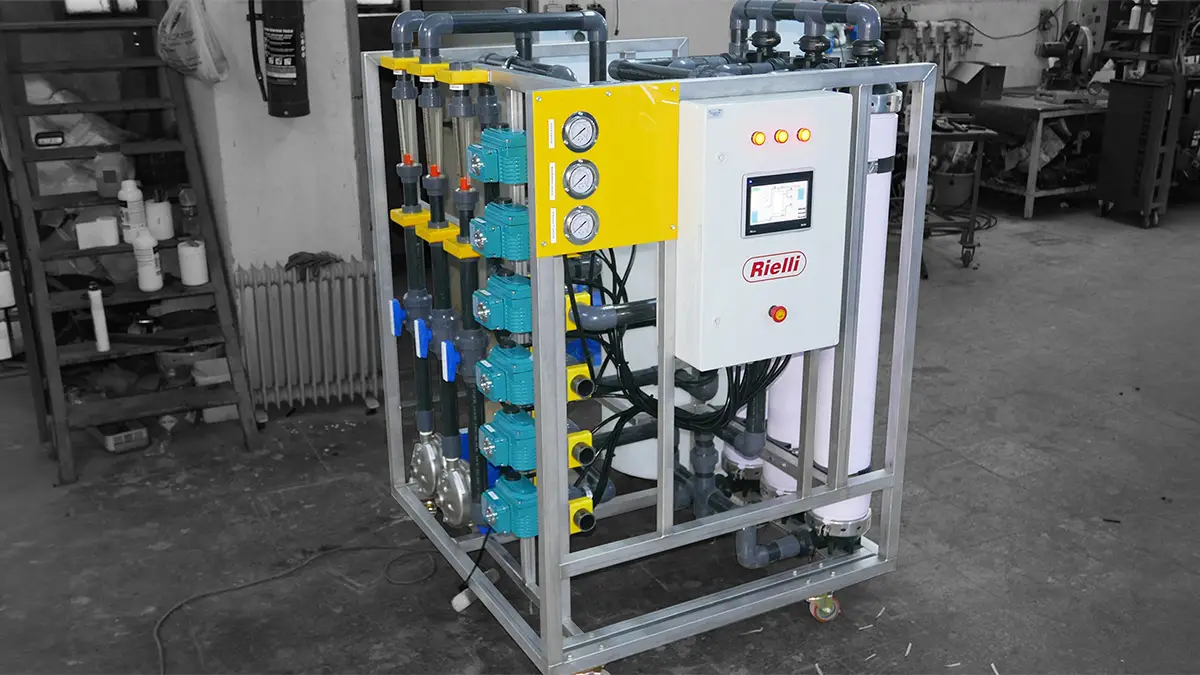
Water serves different purposes in food and beverage manufacturing facilities, including as a product ingredient, a cleaning medium, and an input for auxiliary operations. Water treatment in the food and beverage industry should begin by distinguishing between these applications and their specific water quality requirements. Water that comes into direct contact with food products cannot be evaluated using the same criteria as feedwater supplied to a closed technical system.
Rielli’s industrial water treatment and wastewater recycling technologies can be integrated into projects according to the water quality objectives defined by each facility. The goal is not simply to achieve a particular conductivity level but to consider the intended water application, food safety management requirements, and operating conditions as part of an integrated water treatment strategy.
Why Is Fit-for-Purpose Water Quality Important in Food Manufacturing?
The FAO and WHO report on water safety and quality in food production addresses the risk-based evaluation of water according to its intended use.
Therefore, factors such as water source characteristics, the nature of contact with food products, storage conditions, and subsequent manufacturing processes must be evaluated together. A single water quality measurement cannot represent every aspect of hygiene and food safety.
Efforts to reduce water consumption must also account for these differences.
The European Commission’s Best Available Techniques (BAT) Reference Document for the Food, Drink and Milk Industries identifies water consumption and emissions to water among the important environmental considerations in food and beverage manufacturing.
Before implementing a wastewater recycling strategy, facilities should clearly establish which production lines or auxiliary operations can use reclaimed water and determine the corresponding quality and safety requirements.
Rielli Water Treatment Systems for Food and Beverage Facilities
Rielli offers a range of industrial water treatment technologies for food processing and beverage manufacturing, supporting process water preparation, water conditioning, membrane filtration, and wastewater reuse.
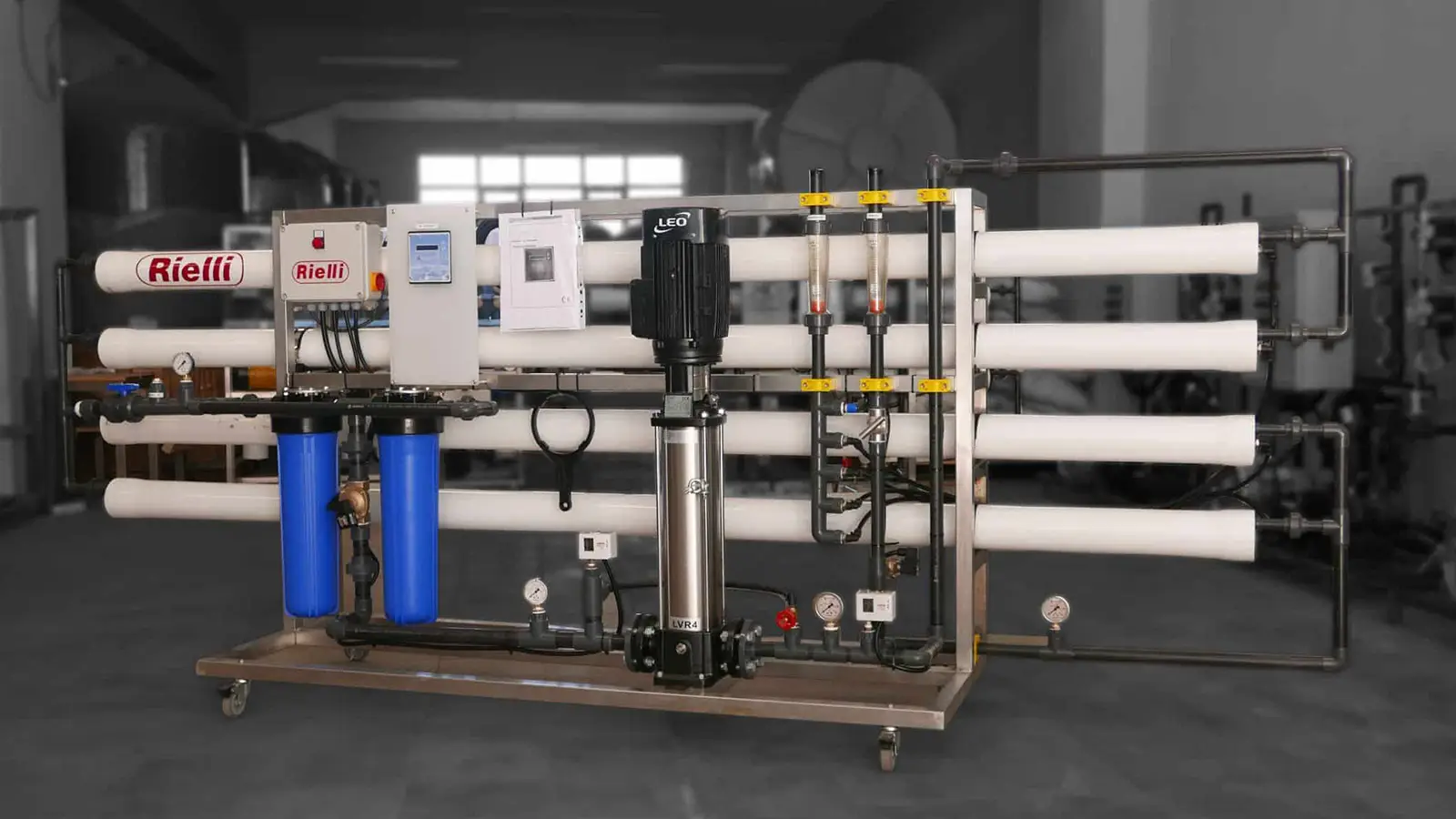
Industrial Reverse Osmosis (RO) Plants can be evaluated for reducing dissolved substances in raw water and preparing water to meet specific process quality requirements. Mineral composition requirements associated with product formulations, along with any necessary post-treatment or remineralization stages, should be defined separately.
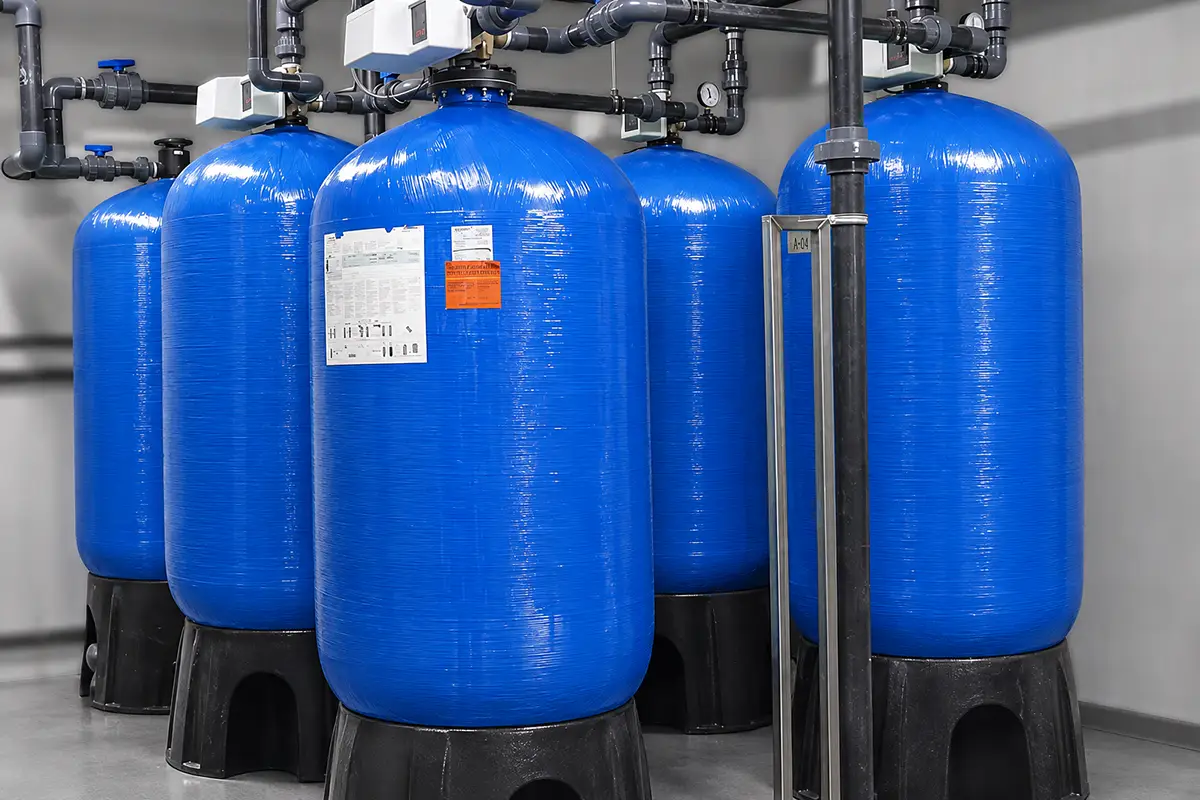
Water Softening and Demineralization Systems provide options for process lines and auxiliary operations requiring hardness removal or more extensive dissolved ion control. The treatment requirements for boiler feedwater should not automatically be assumed suitable for water used as a food or beverage ingredient.
Ultrafiltration (UF) Units and Modules can be considered for treatment stages requiring particle removal and turbidity reduction. Membrane selection, membrane integrity monitoring, and operating conditions should be evaluated alongside any additional treatment and disinfection requirements.
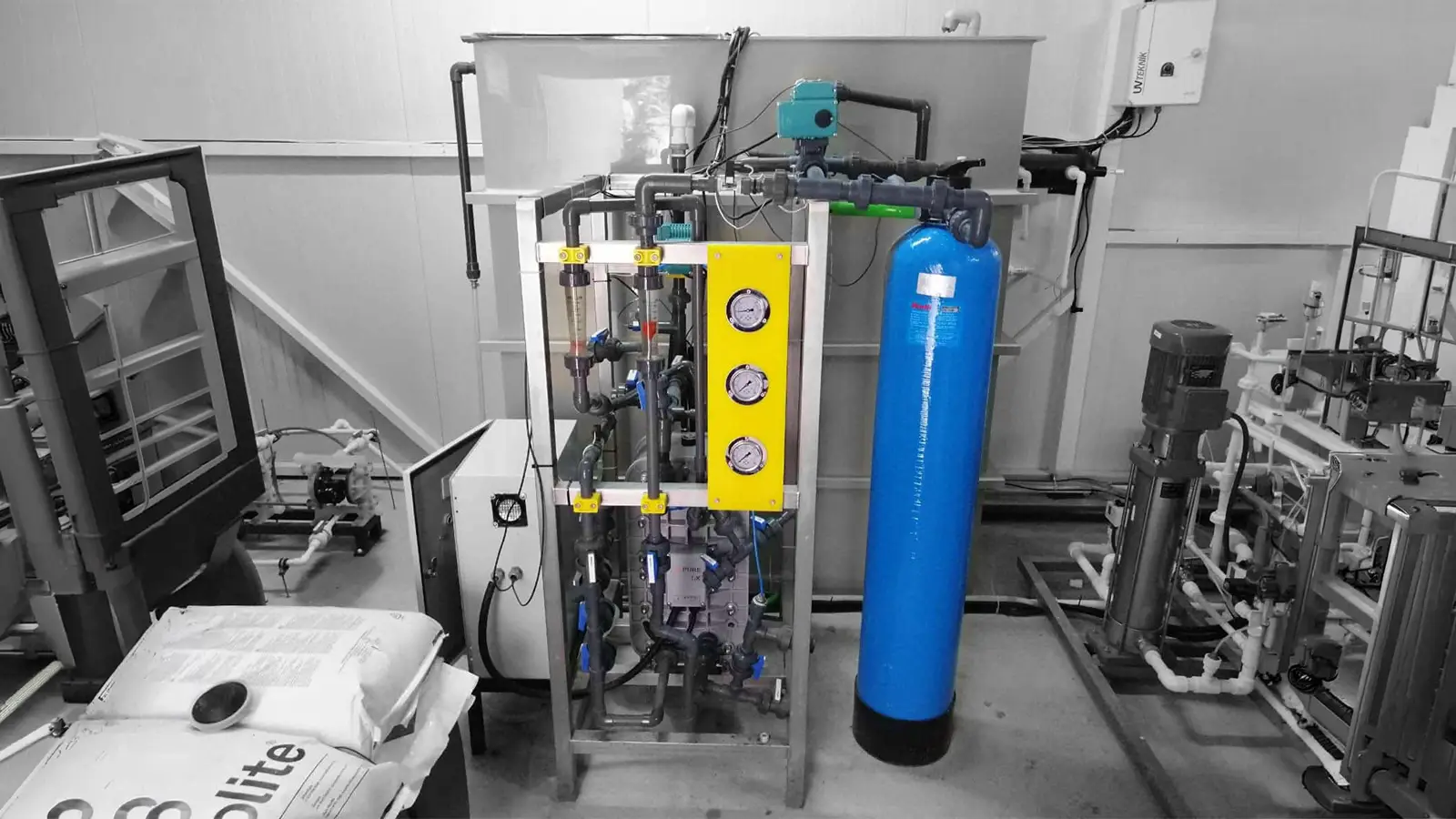
EDI Electrodeionization Plants can be evaluated for specific technical processes requiring low dissolved ion concentrations, provided that appropriately pretreated feedwater is available. EDI is not a standard requirement for every food manufacturing facility, and its use alone does not establish compliance with food hygiene or safety requirements.
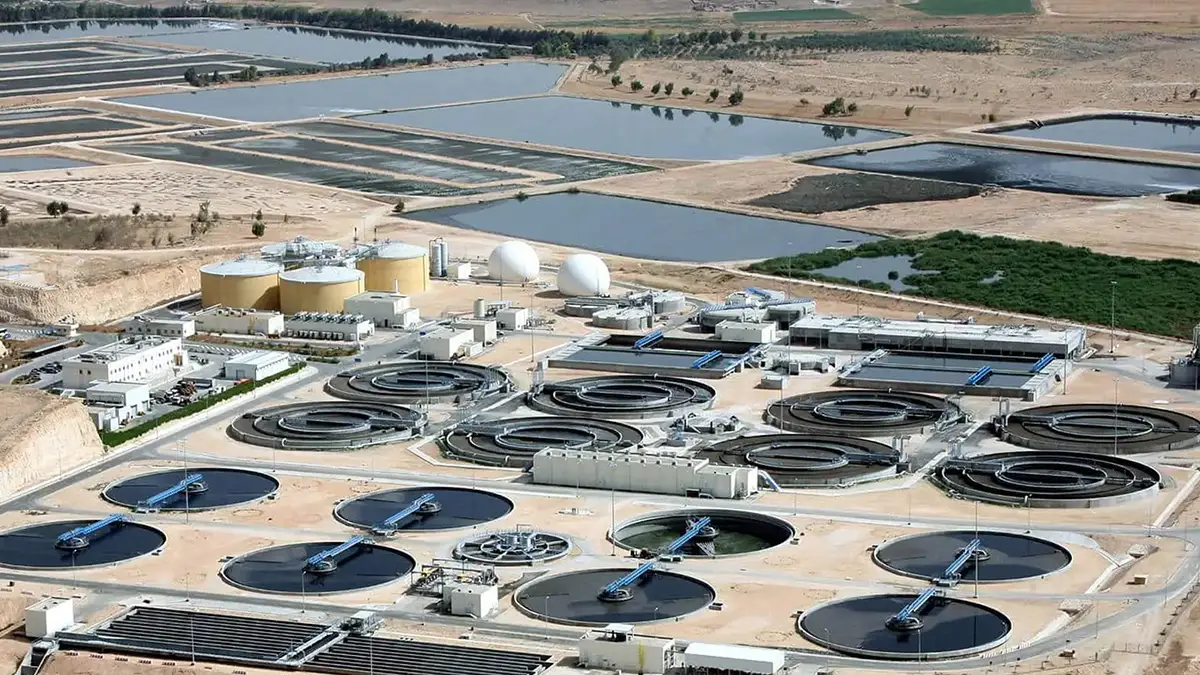
Wastewater Recycling & Reuse Plants can be designed to recover suitable wastewater streams for potential reuse within a facility. Non-product-contact technical applications and uses involving direct food contact must undergo separate risk assessments, water quality evaluations, and applicable regulatory approval processes.
How Should a Food and Beverage Water Treatment Project Be Defined?
An effective food processing water treatment project begins with a detailed assessment of the facility’s production processes and water quality requirements.
Initial project information should include the types of products manufactured, production capacity, hourly water consumption, cleaning schedules, and available raw water analysis results.
The specific points where treated water will be used, the water quality limits defined in technical specifications, and the facility’s internal hygiene procedures should also be incorporated into the project assessment.
For wastewater recycling in food and beverage manufacturing, additional factors must be considered, including the contaminant loads of different wastewater streams, cleaning chemicals, oil and grease content, and fluctuations in wastewater flow rates.
The proposed water management and treatment strategy should incorporate assessments by the facility’s food safety team and any necessary verification or validation procedures.
Selecting an individual water treatment system does not automatically ensure that the entire manufacturing process complies with food safety standards or regulatory requirements.
Let's Plan a Water Treatment Solution for Your Food and Beverage Facility