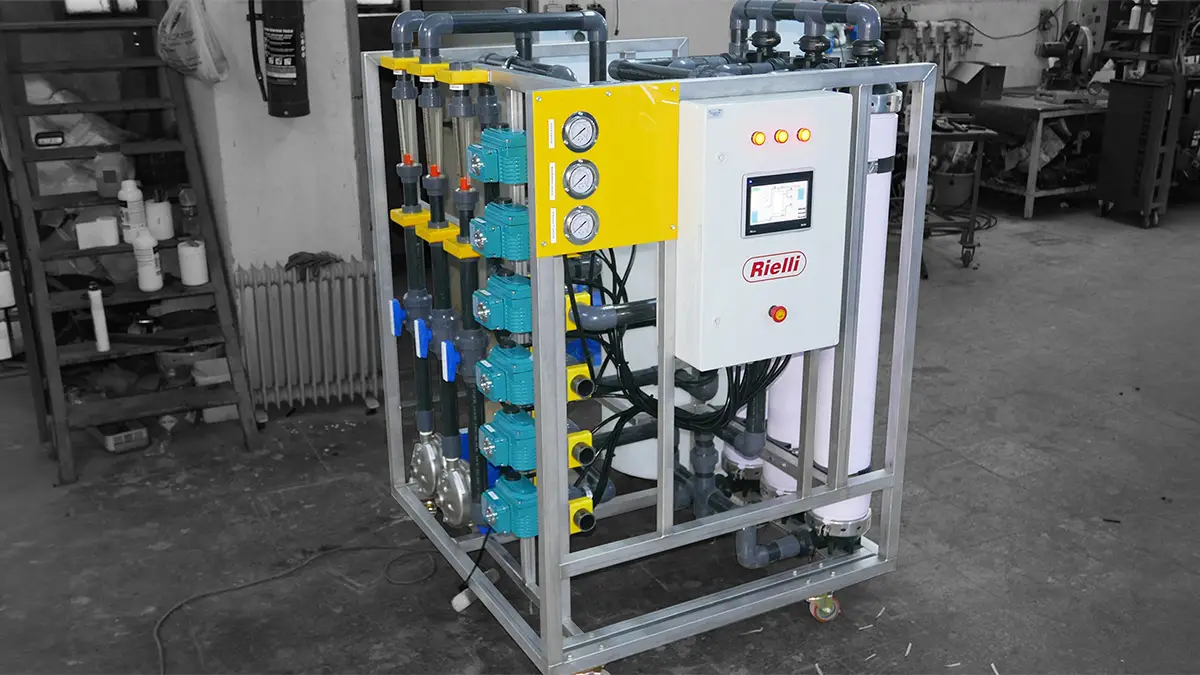
Water treatment in the automotive and metalworking industries requires a detailed assessment of the different water quality requirements associated with surface preparation, rinsing processes, and auxiliary operations. Water used in direct contact with manufactured product surfaces has different treatment objectives from wastewater generated by contaminated industrial processes. Rielli offers process water preparation and wastewater recycling technologies that can be evaluated according to these specific requirements.
Assuming that all wastewater streams within a manufacturing facility have the same characteristics can complicate the selection of appropriate treatment technologies. Production processes, chemicals used, and maintenance schedules must be considered during the initial assessment. The water treatment system should be designed according to the production line’s water quality specifications and the results of wastewater analyses.
What Should Be Considered in Metal Surface Treatment Processes?
The European Commission’s Surface Treatment of Metals and Plastics Reference Document addresses chemical and electrolytic surface treatment processes.
When evaluating water requirements for these applications, the technical specifications of different consumption points, including treatment bath preparation and rinsing lines, should be defined separately.
The U.S. Environmental Protection Agency’s Metal Finishing Effluent Guidelines describe various industrial processes, including electroplating, anodizing, and chemical surface treatments.
This diversity highlights why a single standard wastewater profile should not be assumed for all metal finishing facilities.
Process-related metals, oils, and other contaminants must be evaluated through appropriate water and wastewater analyses. International technical references provide useful guidance but do not automatically establish regulatory compliance or operating authorization for facilities in Türkiye or other jurisdictions.
Rielli Water Treatment Systems for Automotive and Metalworking Facilities
Rielli provides a range of industrial water treatment and wastewater recycling technologies for automotive manufacturing, metalworking, and surface finishing applications, supporting process water preparation, dissolved ion control, filtration, and water reuse.
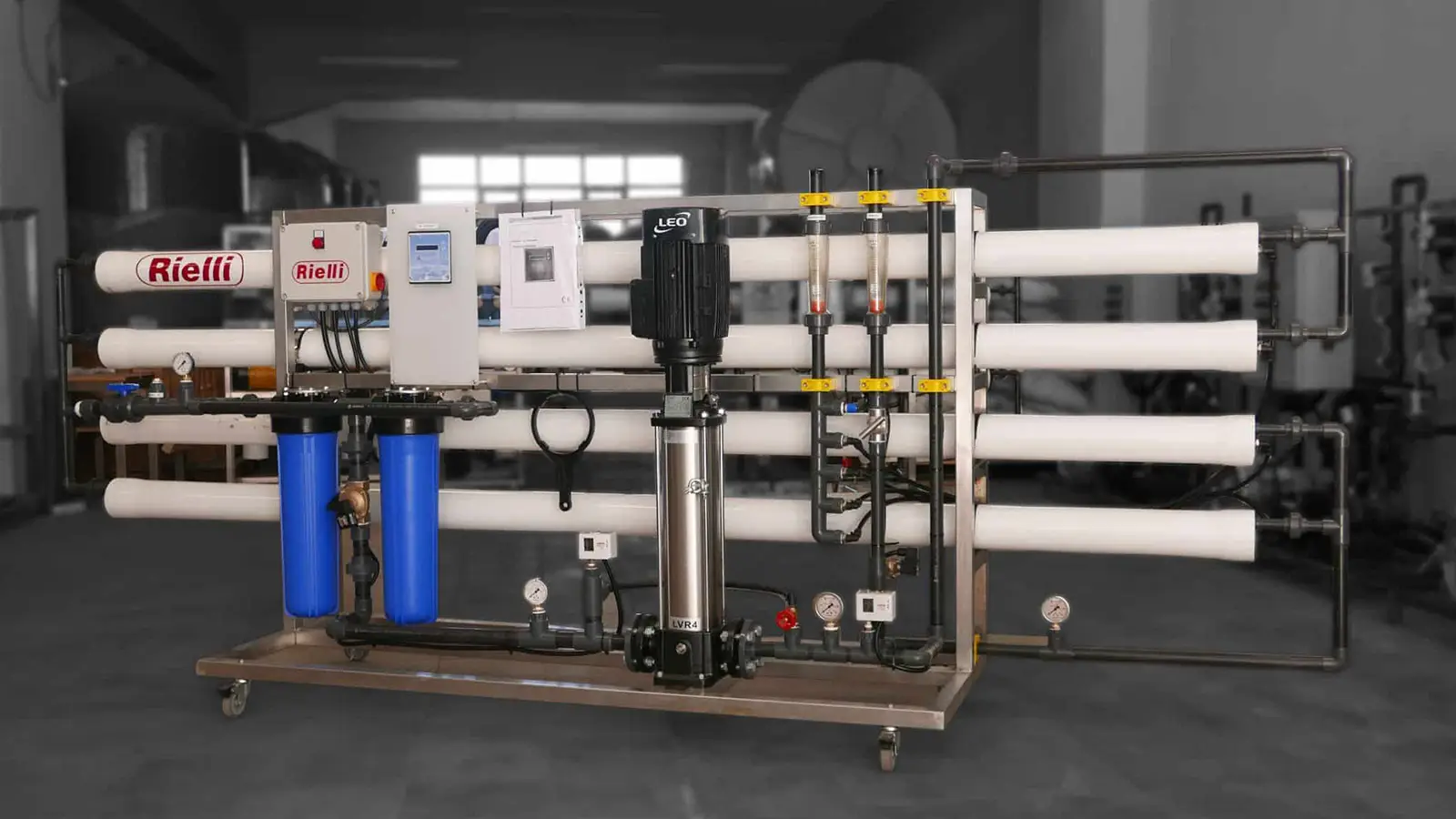
Industrial Reverse Osmosis (RO) Plants can be evaluated for applications requiring water with reduced dissolved substance concentrations, including industrial rinsing and other technical processes. The required treated water quality should be defined according to the specifications of the surface treatment or production line.
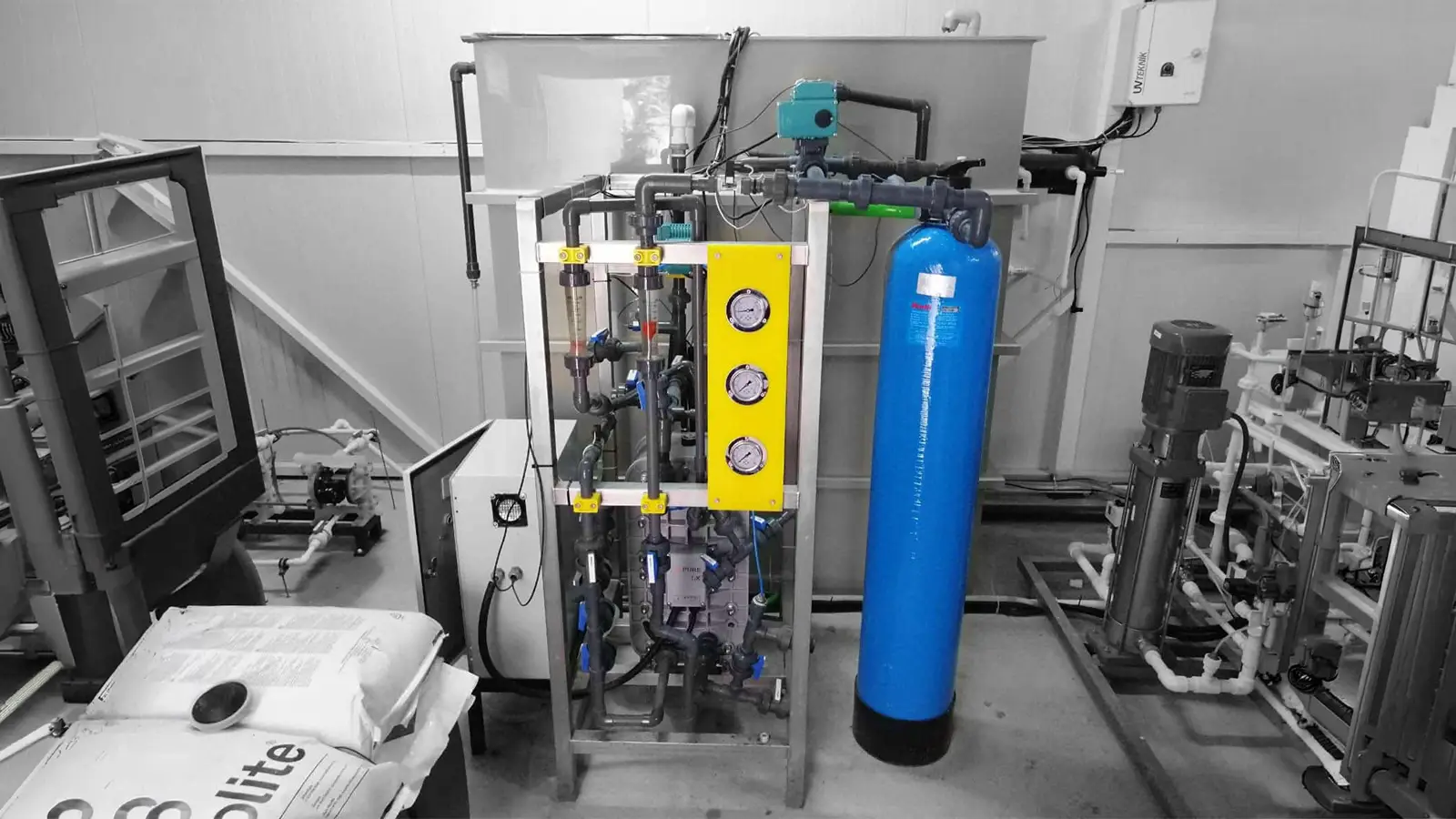
EDI Electrodeionization Plants can be considered for selected high-purity water applications requiring very low dissolved ion concentrations after appropriate pretreatment. The need for EDI technology should be determined according to the specific point of use rather than assuming it is necessary for every metalworking facility.
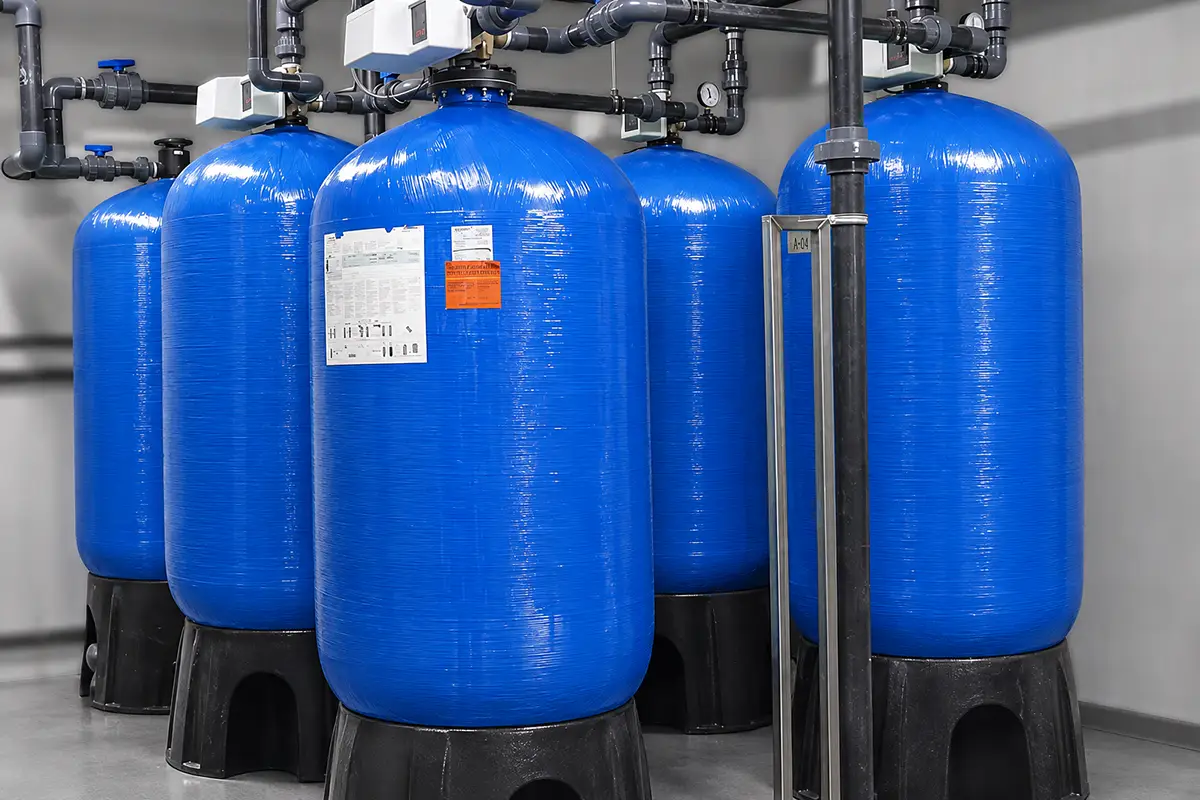
Water Softening and Demineralization Systems provide treatment options for hardness reduction and more extensive dissolved ion removal. Water softening alone may not meet the requirements of rinsing processes that specify deionized water.
Ultrafiltration (UF) Units and Modules can be evaluated for applications requiring particle removal and, where suitable membrane characteristics and operating conditions are provided, the separation of certain emulsified contaminants. However, ultrafiltration should not be assumed capable of removing all dissolved metals without additional treatment processes.
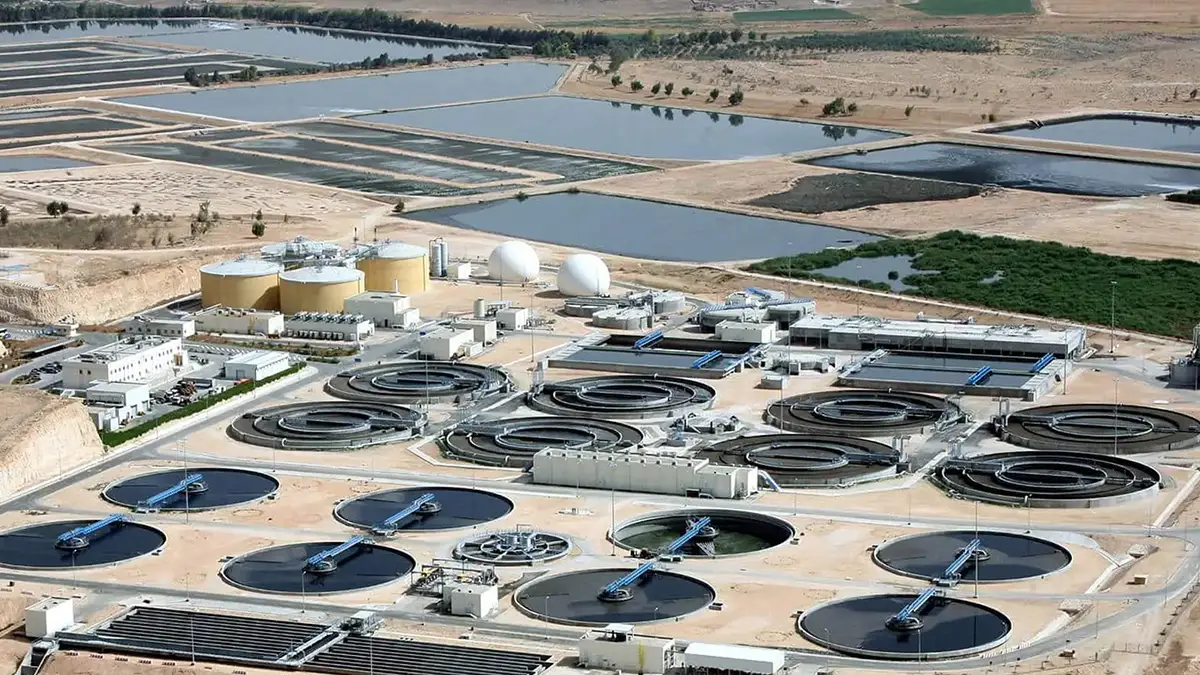
Wastewater Recycling & Reuse Plants can be designed to recover treated water from suitable industrial process streams for potential reuse. The intended application of reclaimed water and the management of residual streams containing separated contaminants should be planned together.
Start with Wastewater Source Separation and Defined Water Quality Targets
An effective automotive or metalworking water treatment project begins with identifying individual production processes, water quality requirements, and the characteristics of wastewater generated throughout the facility.
Initial project information should include production process descriptions, chemicals used, rinsing water quality specifications, water consumption rates, and analytical results for individual wastewater streams.
Oily washing wastewater and spent solutions from different surface treatment baths should not automatically be assumed suitable for the same pretreatment process.
Where laboratory testing or pilot-scale evaluations are necessary, performance criteria should extend beyond the visual appearance of the treated water.
Influent and effluent quality parameters, contaminant loads, membrane operating performance, and the suitability of treated water for its intended reuse application should be monitored together.
The overall project cost assessment should also include consumables, energy consumption, membrane cleaning requirements, routine maintenance, and the management of separated waste and residual streams.
The feasibility of wastewater recycling in automotive and metalworking facilities therefore depends not only on the potential volume of recovered water but also on the combined technical and operational requirements of the treatment process.
Find the Right Water Treatment Solution for Your Production Line