Pharmaceutical water treatment projects must begin with a clear definition of the required water grade and its intended point of use. Pharmaceutical manufacturing, equipment cleaning, and auxiliary operations may have different water quality requirements. Similarly, technical water requirements in healthcare facilities must be evaluated separately from applications involving direct patient contact.
Rielli’s reverse osmosis (RO), electrodeionization (EDI), and pretreatment technologies can be considered for water purification projects with clearly defined technical specifications. However, selecting a particular treatment technology does not automatically establish that the complete system complies with a specific pharmacopoeia or clinical application requirement. The project scope, validation requirements, and operational responsibilities must be clearly established.
Define the Required Water Grade and Intended Application First
The European Medicines Agency’s Guideline on the Quality of Water for Pharmaceutical Use addresses the different water quality requirements associated with pharmaceutical manufacturing.
Purified Water (PW) and Water for Injection (WFI) should not be treated as interchangeable project objectives. The required water grade, intended application, and applicable quality specifications must be defined by the facility’s quality assurance department.
Storage and distribution systems downstream of the water treatment equipment must also be included in the technical evaluation.
Conductivity measurements alone do not provide a complete assessment of a water system’s chemical and microbiological quality. Sampling locations, monitoring procedures, and operating protocols should therefore be established according to the scope and requirements of the proposed system.
Rielli Water Treatment Technologies for Defined Pharmaceutical and Healthcare Requirements
Rielli provides a range of industrial water purification and high-purity water treatment technologies that can be evaluated as components of pharmaceutical and healthcare water preparation projects.
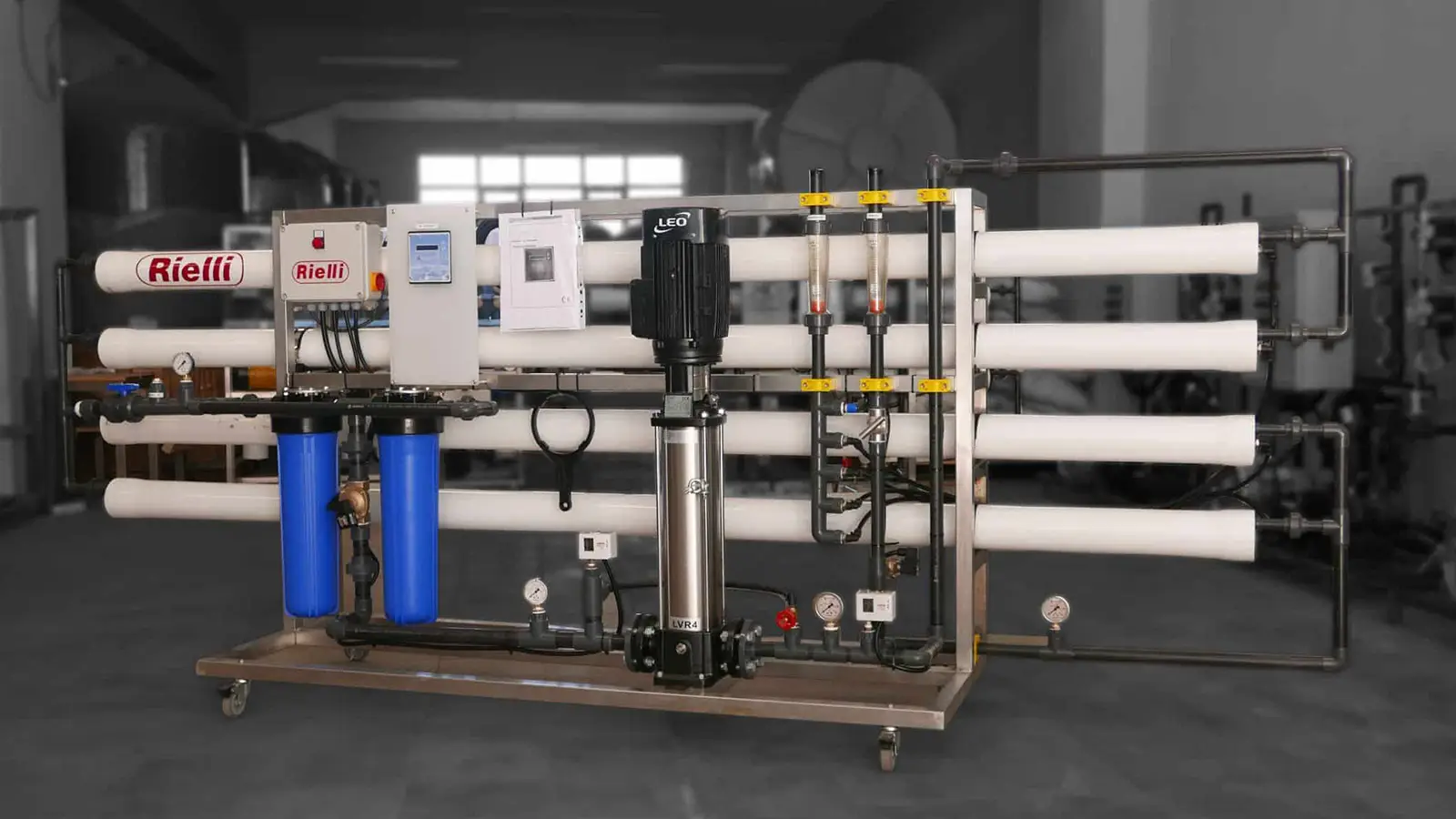
Industrial Reverse Osmosis (RO) Plants can be considered for water treatment stages requiring the reduction of dissolved substances. Feedwater characteristics, membrane operating conditions, and target treated water specifications must be established according to the individual project’s requirements.
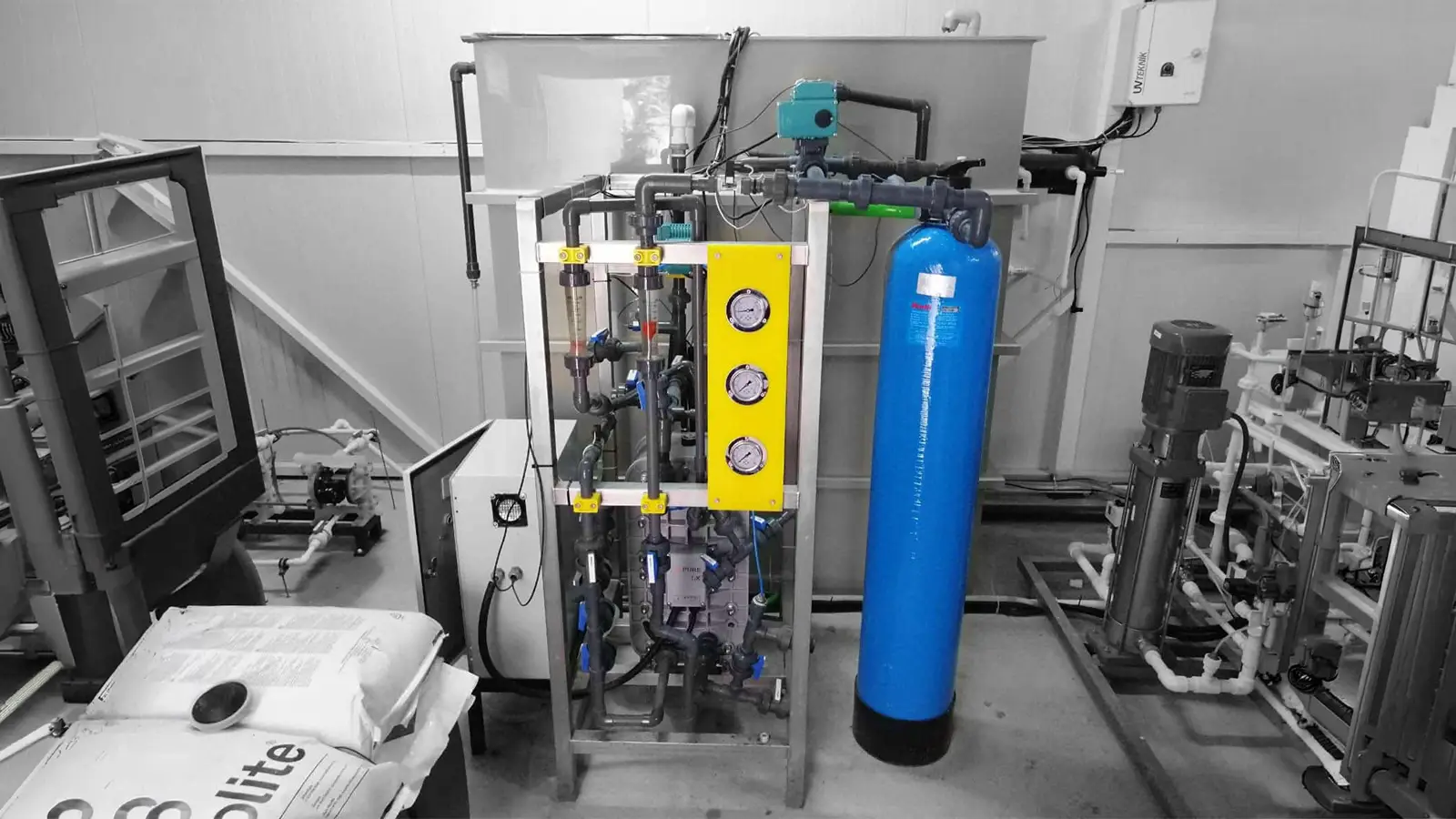
EDI Electrodeionization Plants can be evaluated for applications requiring further reduction of dissolved ion concentrations in appropriately pretreated water. The integration of EDI technology alone does not guarantee sterility or compliance with a particular pharmaceutical water grade.
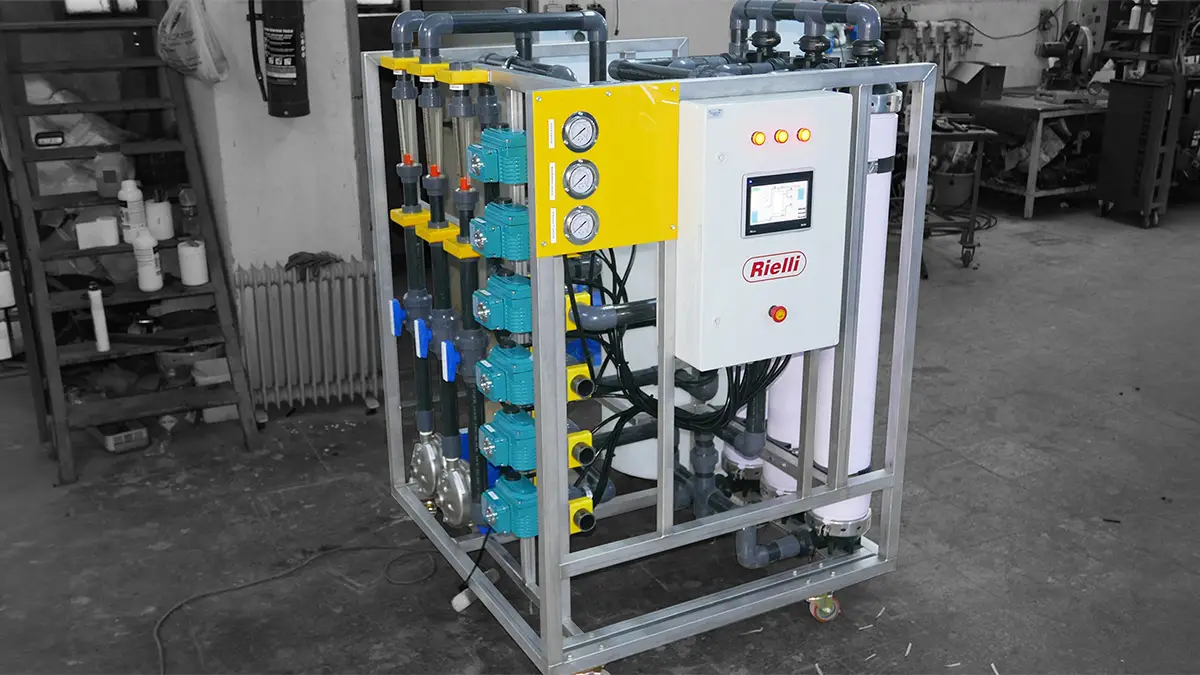
Ultrafiltration (UF) Units and Modules may be incorporated into treatment stages requiring membrane filtration within the technical capabilities and design limitations of the selected membrane. Different ultrafiltration modules should not automatically be assumed to provide equivalent microbiological or endotoxin control.
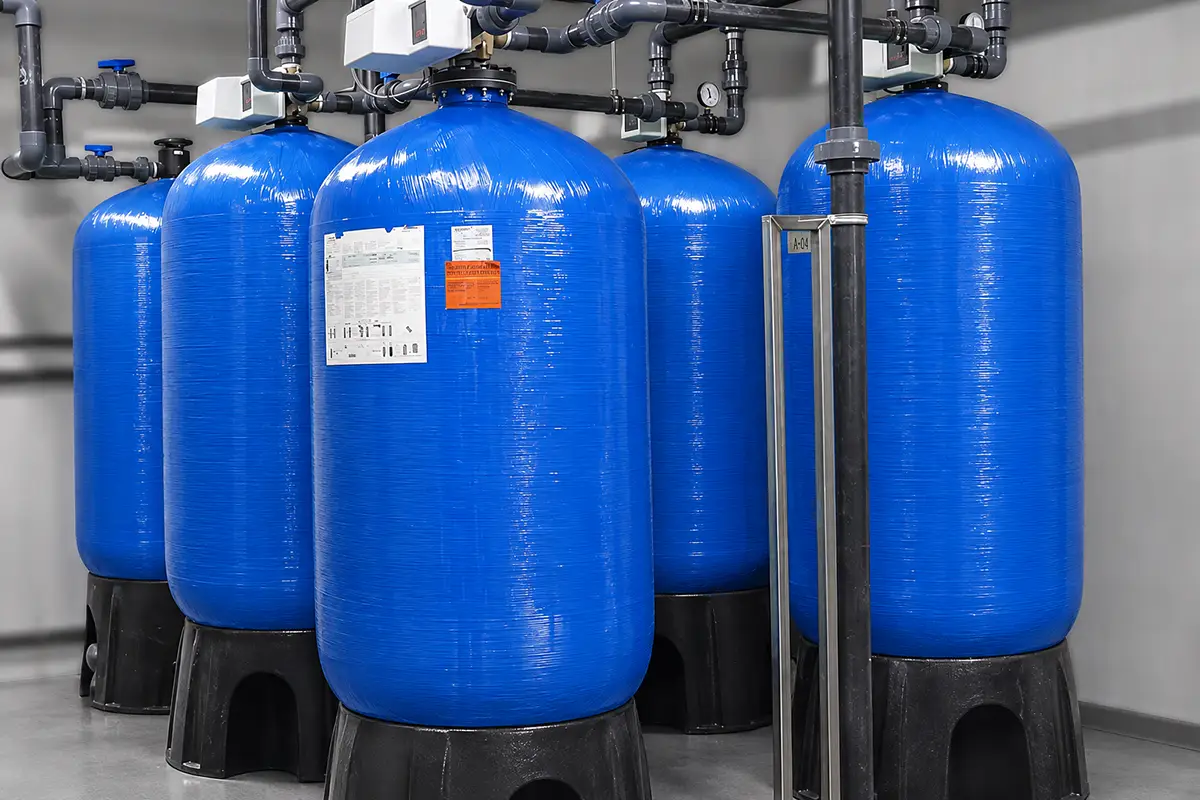
Water Softening and Demineralization Systems can be evaluated for pretreatment and technical water preparation according to feedwater hardness and dissolved ion characteristics. System selection should consider both the feedwater requirements of downstream equipment and the specifications of the final water application.
Water System Validation Goes Beyond Equipment Selection
The U.S. Food and Drug Administration’s High-Purity Water System Inspection Guide highlights the importance of water system design, operating procedures, and documented evidence demonstrating consistent water quality over time.
Therefore, a pharmaceutical water treatment project should define not only the equipment’s production capacity but also the technical and operational conditions under which the complete system will be evaluated.
An initial project assessment should include the User Requirement Specification (URS), raw water analysis, required water grade, instantaneous and daily water consumption, operating hours, and the proposed distribution arrangement.
Sanitization strategies, appropriate material selection, and water quality monitoring requirements should also be considered when defining the technical scope.
These factors help establish the responsibilities and verification procedures required for a project-specific water purification system.
The Rielli product groups presented on this page provide a starting point for engineering evaluation. They do not constitute a ready-made compliance declaration for direct patient applications, dialysis water, or Water for Injection (WFI).
Such applications require separate technical design and assessment according to their specific quality, regulatory, and validation requirements.
Let's Define the Technical Requirements of Your Water Purification Project