Water Recycling
Grey Water Recycling
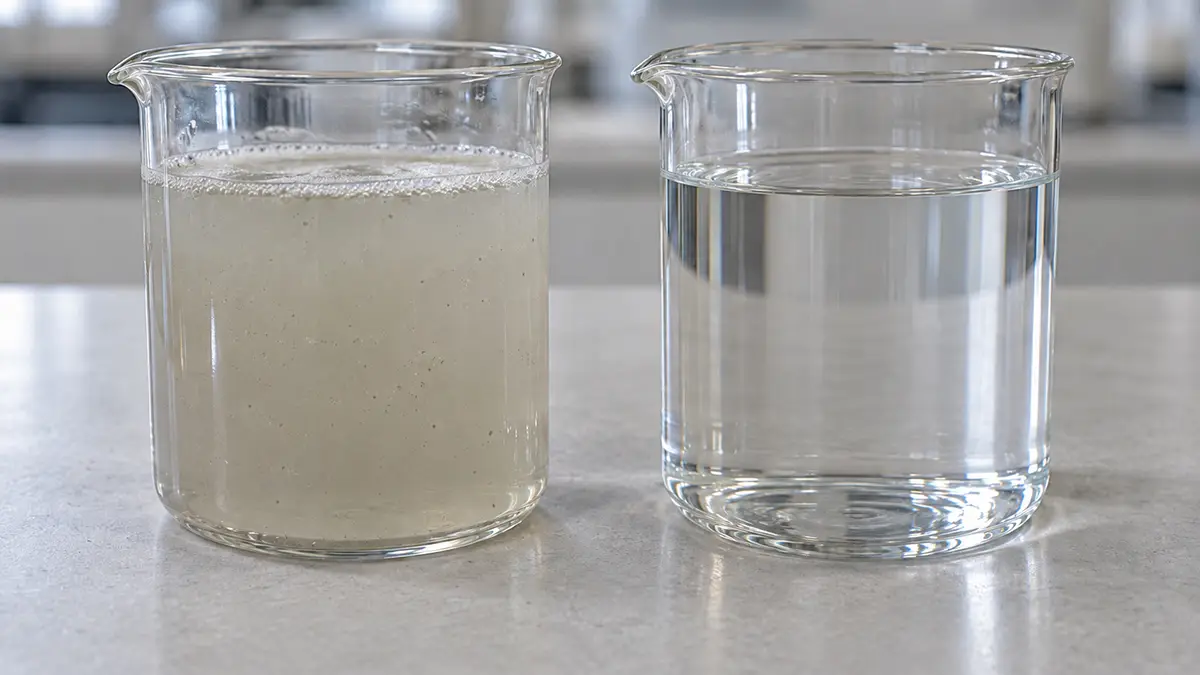
Treat grey water from showers, baths and washbasins for reuse in toilet flushing, landscape irrigation and other suitable applications, helping reduce freshwater demand.
View DetailsRielli drinking water treatment systems provide solutions for the potable and domestic water needs of residential buildings, commercial facilities, and public-use buildings. With user-friendly operation, online monitoring capabilities, and technical service support, these systems simplify the management of water treatment processes.
Selecting the right drinking water treatment solution begins with understanding the characteristics of the source water. Treatment technologies, system capacity, and operating conditions are evaluated together to develop a solution tailored to the specific requirements of each project.
Drinking water production is the process of treating source water to achieve water quality suitable for human consumption, based on its physical, chemical, and microbiological characteristics.
This process should be approached as an integrated system covering water source selection, treatment, disinfection, storage, and distribution.
Clear appearance or acceptable taste alone does not guarantee that water is safe to drink. Reliable drinking water supply requires identifying potential risks and regularly verifying water quality.
The World Health Organization (WHO) Guidelines for Drinking-water Quality emphasize preventive risk management throughout the entire water supply chain, from source to consumer.
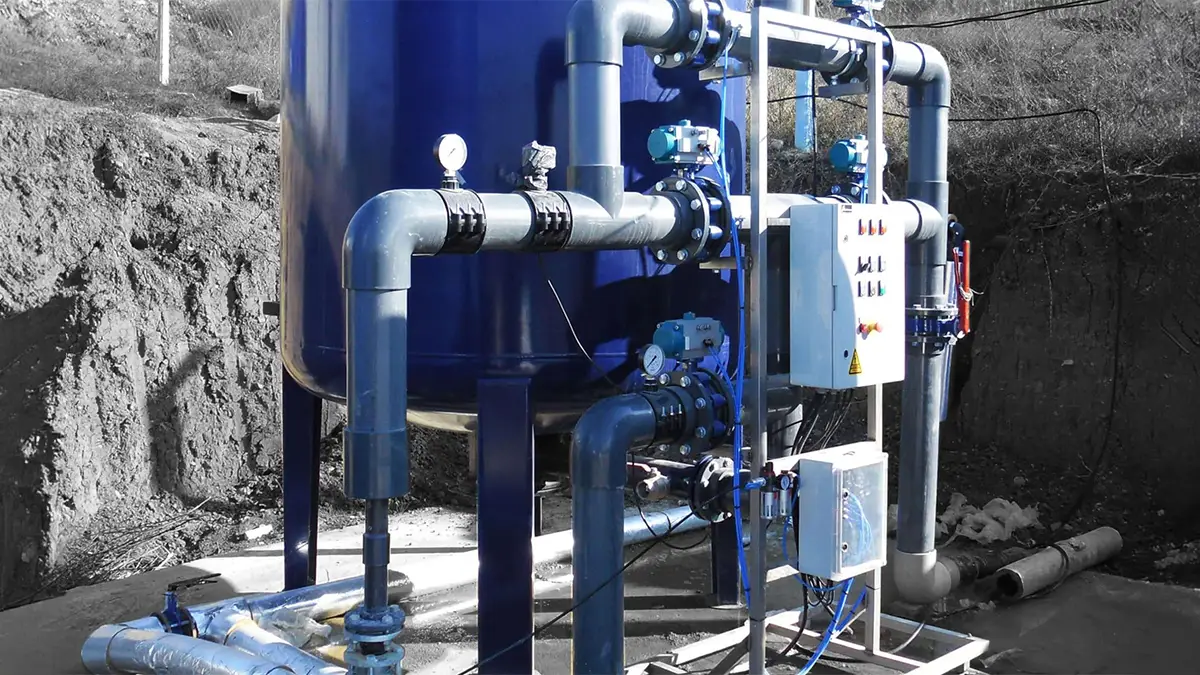
Different water sources require different treatment approaches. The appropriate technologies are selected based on the results of water quality analyses and the specific requirements of the project.
Not every project requires all these technologies to be used together. Treatment stages are selected and combined to achieve the required drinking water quality.
For applications requiring dissolved salt reduction, explore our Reverse Osmosis Systems. For projects requiring hardness control, visit our Water Softening and Demineralization Systems page.
Drinking water treatment must ensure that treated water quality is maintained all the way to the point of use.
The appropriate disinfection method should be selected by considering the microbiological characteristics of the source water, storage duration, and distribution conditions.
Storage tank hygiene, suitable distribution infrastructure, and regular inspections are essential components of reliable system operation.
Water quality monitoring should not be limited to checking equipment operating conditions. It must also be supported by an appropriate water sampling and laboratory analysis program.
Rielli approaches drinking water and domestic water treatment as an integrated system consisting of compatible treatment equipment and technologies.
The following features are central to Rielli’s drinking water treatment solutions:
The suitability of chlorine-free disinfection options offered by Rielli must be evaluated according to project-specific water quality requirements and distribution conditions.
Before selecting a drinking water treatment system, existing water analysis results, daily consumption, peak instantaneous water demand, and installation conditions should be evaluated together.
Storage capacity, existing plumbing infrastructure, maintenance accessibility, and operational expectations also influence system selection.
Providing this information during the initial project assessment helps ensure that the proposed technical solution and quotation are tailored to actual requirements.
Contact Rielli to explore a drinking water treatment solution tailored to the needs of your residential building or commercial facility.
By sharing information about your water source, water analysis results, and consumption requirements, you can receive technical guidance and a project-specific quotation.
→ Request Information and a Quote for Drinking Water Treatment Systems
Treat grey water from showers, baths and washbasins for reuse in toilet flushing, landscape irrigation and other suitable applications, helping reduce freshwater demand.
View Details ↗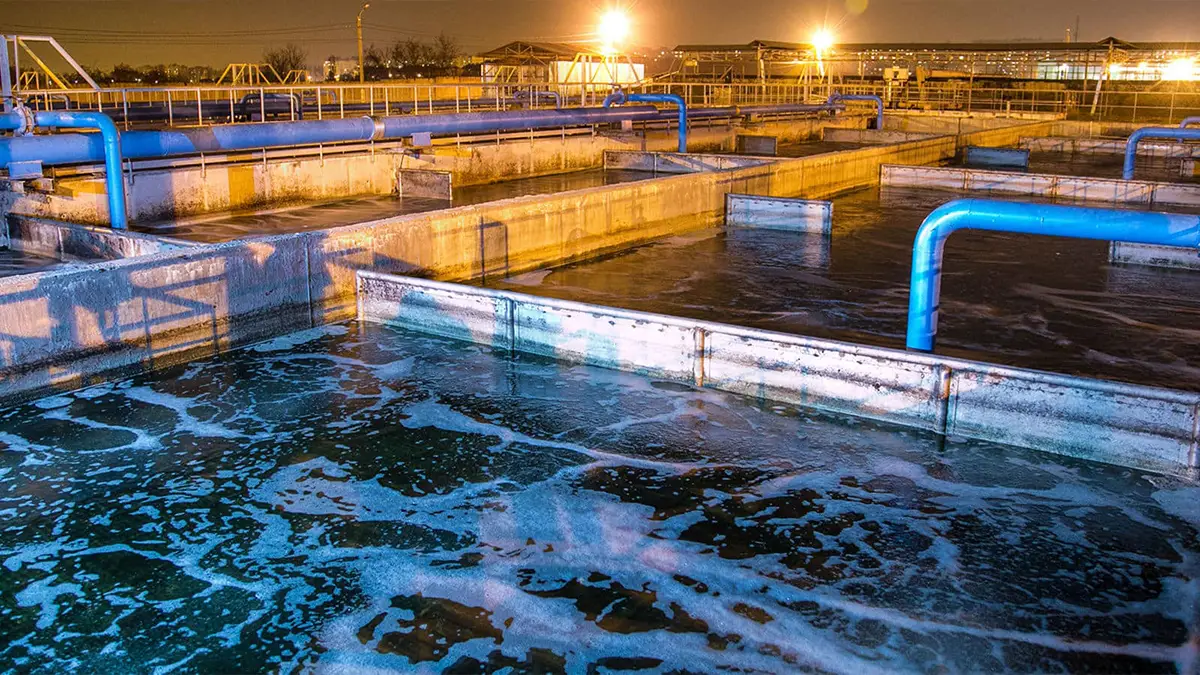
Produce process water with physical and chemical properties tailored to the specific requirements of industrial operations.
View Details ↗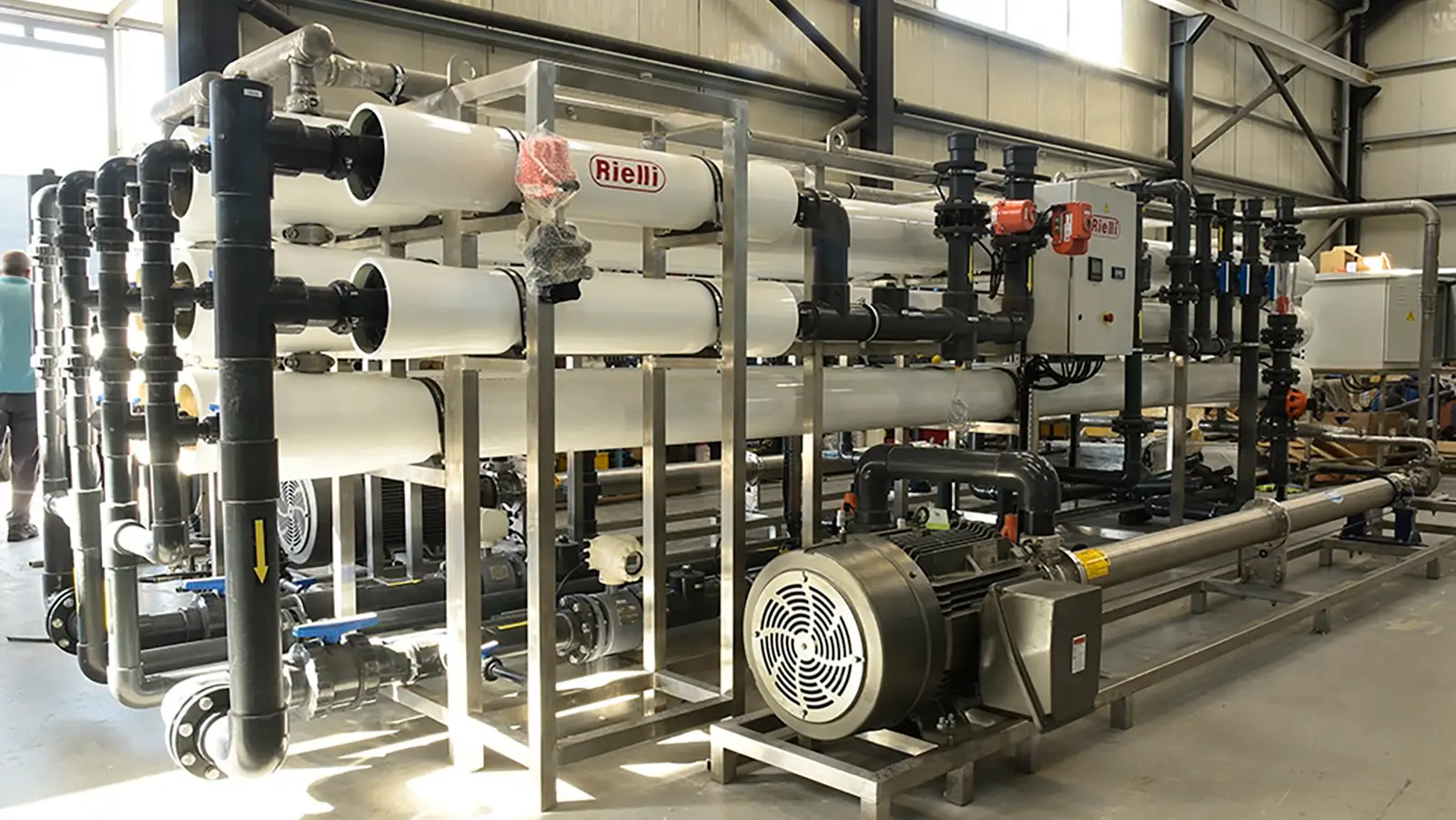
Turn seawater and highly saline groundwater into drinking water through treatment solutions designed for challenging water sources.
View Details ↗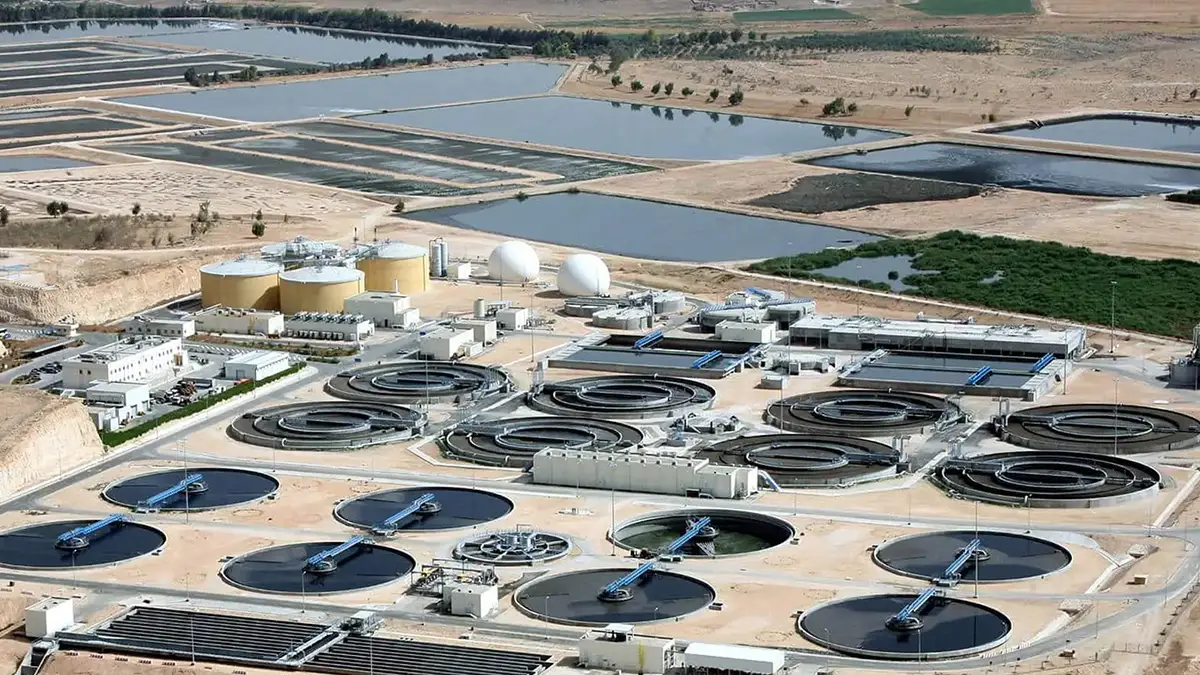
Recover municipal or industrial wastewater for suitable process water applications, reducing freshwater consumption and wastewater discharge.
View Details ↗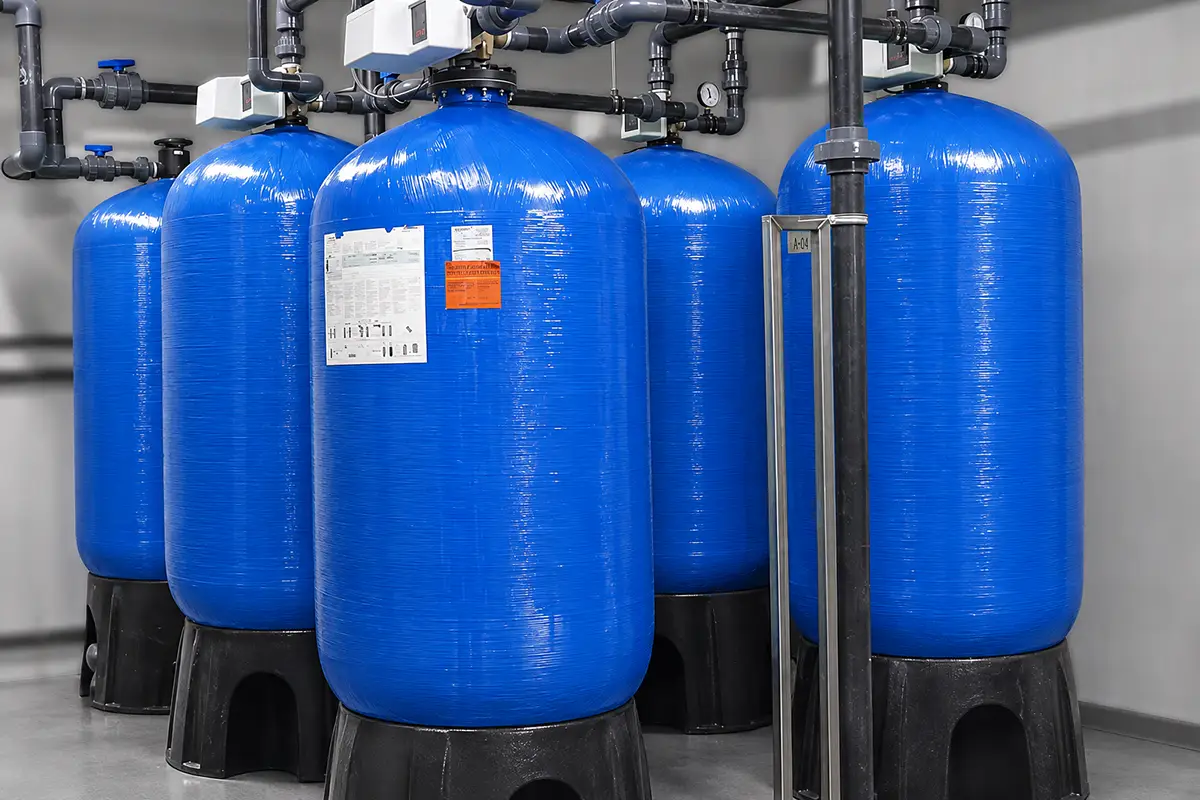
Recover water generated during the backwashing of multimedia filters, activated carbon filters and water softening systems.
View Details ↗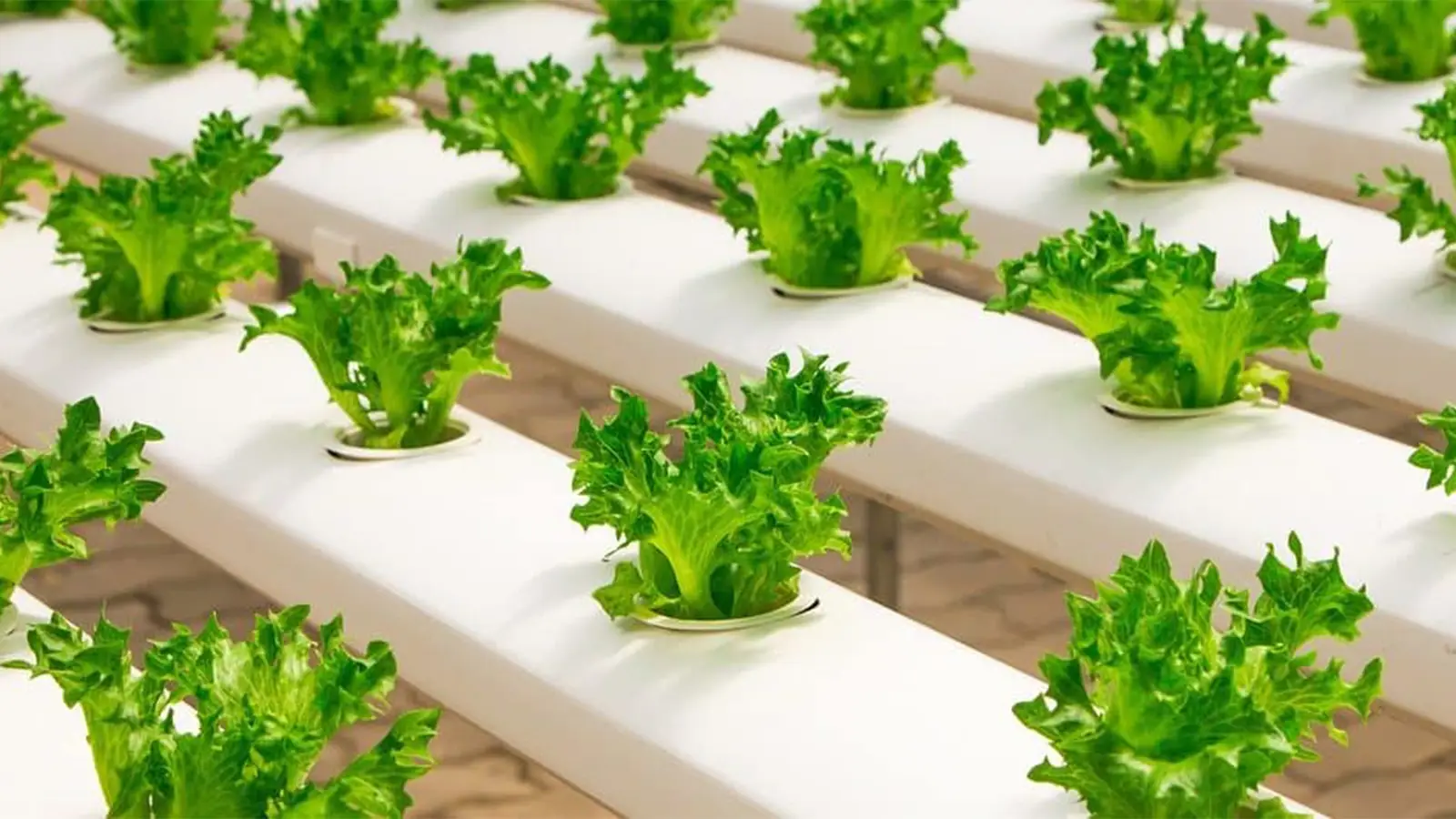
Improve irrigation water quality for greenhouse and soilless farming applications with treatment solutions tailored to agricultural water requirements.
View Details ↗A drinking water treatment system processes source water using treatment technologies suited to its characteristics to produce water that meets drinking water quality requirements. System design considers water analysis results, consumption rates, storage capacity, and distribution conditions together.
Drinking water treatment systems can be used in residential buildings, housing complexes, commercial facilities, and public-use buildings. The capacity and equipment configuration of Rielli drinking water and domestic water treatment solutions are determined according to the specific requirements of each application.
Yes. Understanding the physical, chemical, and microbiological characteristics of the source water is essential for selecting appropriate treatment technologies. Choosing a system based solely on the water's appearance, taste, or odor is not sufficient.
Reverse osmosis (RO) is not necessary for every water source. It may be preferred in applications where dissolved salts and specific contaminants need to be reduced. The appropriate treatment method is determined based on feed water analysis and the required drinking water quality.
For related solutions, visit our Industrial Reverse Osmosis Systems page.
Activated carbon filtration can be used to reduce certain compounds responsible for unpleasant tastes and odors, as well as specific organic substances. Removal performance depends on the characteristics of the contaminants and the filter design. Activated carbon filtration alone does not guarantee that treated water is safe to drink.
Water softening primarily removes hardness-causing ions such as calcium and magnesium. However, this process alone does not demonstrate that the water meets all chemical and microbiological drinking water requirements.
Additional treatment stages should be determined according to the results of source water analysis.
For more information, visit our Water Softening and Demineralization Systems page.
The safety of treated drinking water is evaluated through physical, chemical, and microbiological analyses of samples collected from appropriate locations.
Clear appearance or low electrical conductivity alone does not confirm that water is safe for human consumption.
Water quality analyses, operational monitoring, and risk assessments covering the entire water supply system, from source to point of use, should be considered together.
Treated drinking water can become recontaminated if storage and distribution conditions are inadequate.
Therefore, storage tank hygiene, plumbing conditions, and regular maintenance procedures are essential components of drinking water safety.
Water quality must be maintained not only at the treatment system outlet but also throughout the distribution network and at the points of use.
The frequency of water quality monitoring depends on source water variability, treatment system capacity, operating conditions, and applicable regulatory requirements.
Routine operational measurements and laboratory analyses complement each other to help ensure consistent drinking water quality.
For further information about this approach, explore the World Health Organization (WHO) Guidelines for Drinking-water Quality.
Rielli offers online monitoring solutions for tracking treatment plant performance, maintenance requirements, and equipment faults.
The parameters available for monitoring and the scope of remote access depend on the selected automation equipment and system configuration.
Online monitoring supports system operation but does not replace regular water quality analyses.
You can share your latest water analysis results, water source information, daily consumption, and peak hourly water demand.
Information about existing plumbing infrastructure, water storage capacity, and available installation space will also help with the technical assessment.
For a drinking water treatment solution and quotation tailored to your requirements, please contact our team.
For more information about water treatment systems, technologies, and applications, visit our Frequently Asked Questions (FAQ) page. Find answers to common questions about reverse osmosis, seawater desalination, grey water recycling, wastewater reuse, membrane filtration systems, and industrial process water treatment.
At Rielli, we develop high-efficiency water treatment and recovery systems tailored to a wide range of needs—from industrial facilities and tourism infrastructure to the maritime sector and municipal applications. We provide customized solutions at every stage, from project design and commissioning to technical support and after-sales services.