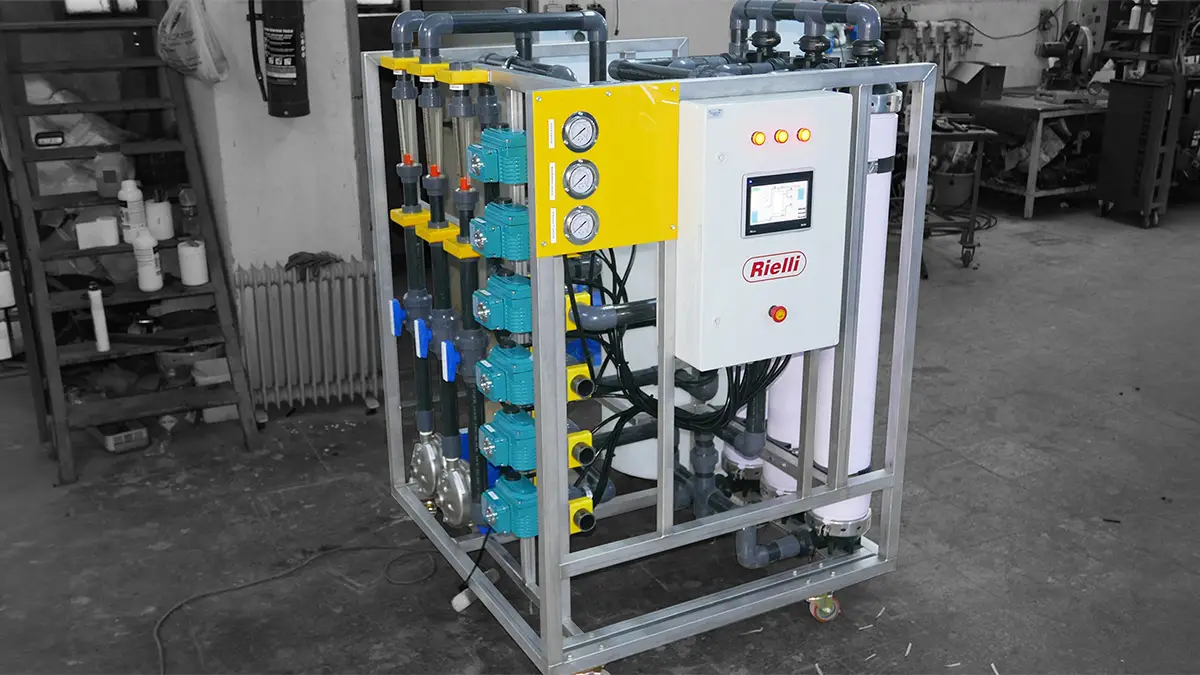
Water quality in chemical and manufacturing facilities must be defined according to the technical specifications of each production process. A chemical mixing operation, a rinsing line, and an auxiliary utility system may require different levels of water purity. Chemical industry water treatment projects should therefore begin by identifying these individual requirements and evaluating the facility’s available water sources separately.
Rielli’s process water treatment, ion removal, and wastewater recycling technologies can be evaluated according to the defined operational and water quality requirements. Rather than selecting equipment from a general list of technologies, the system design should establish a clear relationship between water analysis results and production objectives.
Why Should Different Industrial Wastewater Streams Be Evaluated Separately?
The characteristics of wastewater generated during chemical manufacturing can vary significantly depending on the raw materials used and the specific production processes involved.
Parameters such as high electrical conductivity, fluctuating pH, organic content, and process-specific chemical compounds must be considered when assessing treatment requirements.
The European Commission’s Best Available Techniques (BAT) Reference Document for Common Waste Water and Waste Gas Treatment/Management Systems in the Chemical Sector addresses water conservation, wastewater collection, management, and treatment as interconnected elements of environmental performance.
Consequently, combining relatively low-contamination water from auxiliary operations with concentrated industrial process wastewater should not be considered an automatic treatment strategy.
Source separation, appropriate pretreatment, and the management of residual waste streams should be defined according to the characteristics and objectives of each project.
Rielli Water Treatment Technologies for Chemical and Manufacturing Facilities
Rielli offers a range of industrial process water treatment and wastewater recycling systems designed to meet different water quality requirements in chemical production and manufacturing operations.
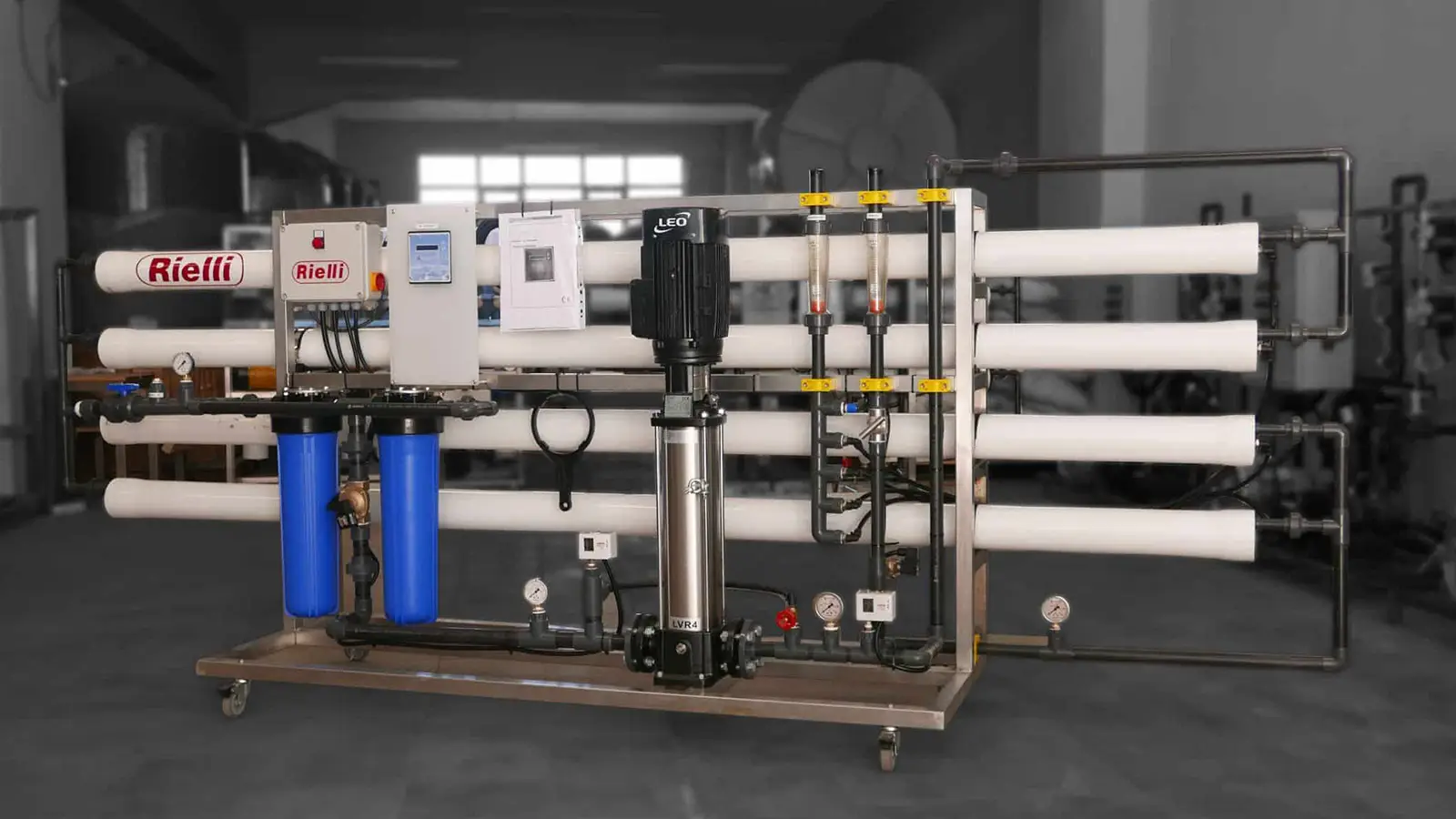
Industrial Reverse Osmosis (RO) Plants can be evaluated when reducing dissolved salt concentrations is necessary to achieve the required process water quality. Appropriate pretreatment to establish suitable membrane feedwater conditions, along with any necessary post-treatment processes, should be considered as part of the overall system design.
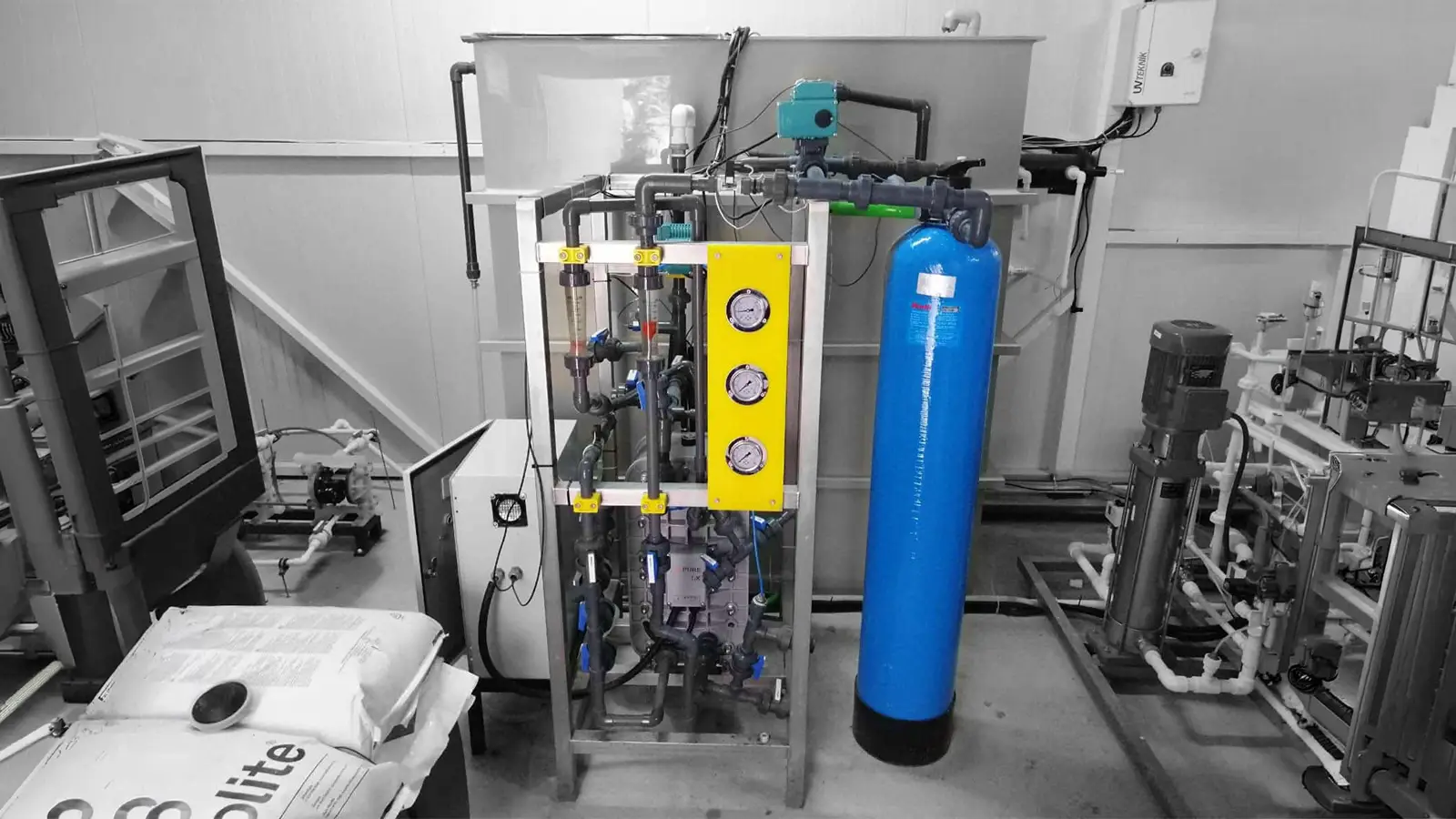
EDI Electrodeionization Plants can be considered for technical processes requiring further reduction of dissolved ions from appropriately pretreated water. Feedwater characteristics and point-of-use quality specifications must be clearly established before defining achievable water purity targets. A single purity level should not be guaranteed without a project-specific technical evaluation.
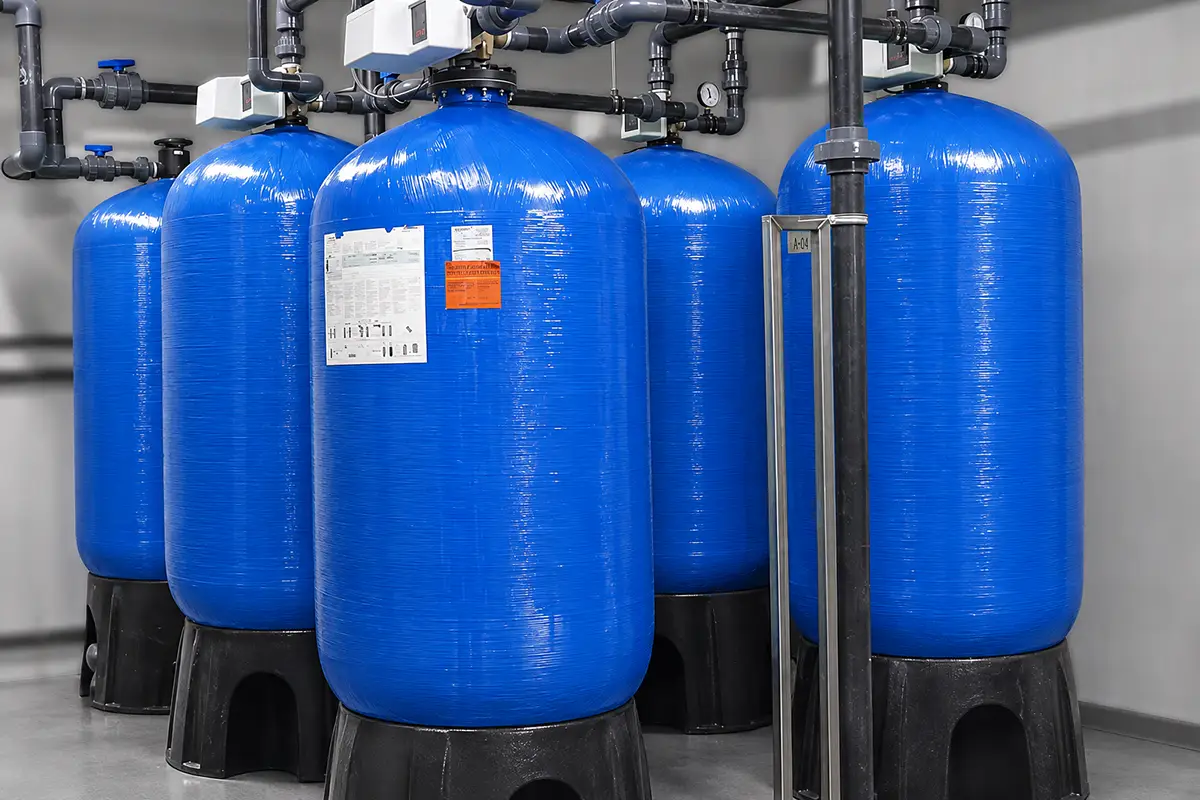
Water Softening and Demineralization Systems provide different treatment options for hardness removal and more extensive dissolved ion reduction. The appropriate technology depends on the water quality requirements of the production line or auxiliary utility system.
Ultrafiltration (UF) Units and Modules can be integrated into water treatment processes requiring suspended solids and turbidity reduction. Chemical compatibility and membrane cleaning requirements must be assessed separately, particularly when treating water streams originating from industrial production processes.
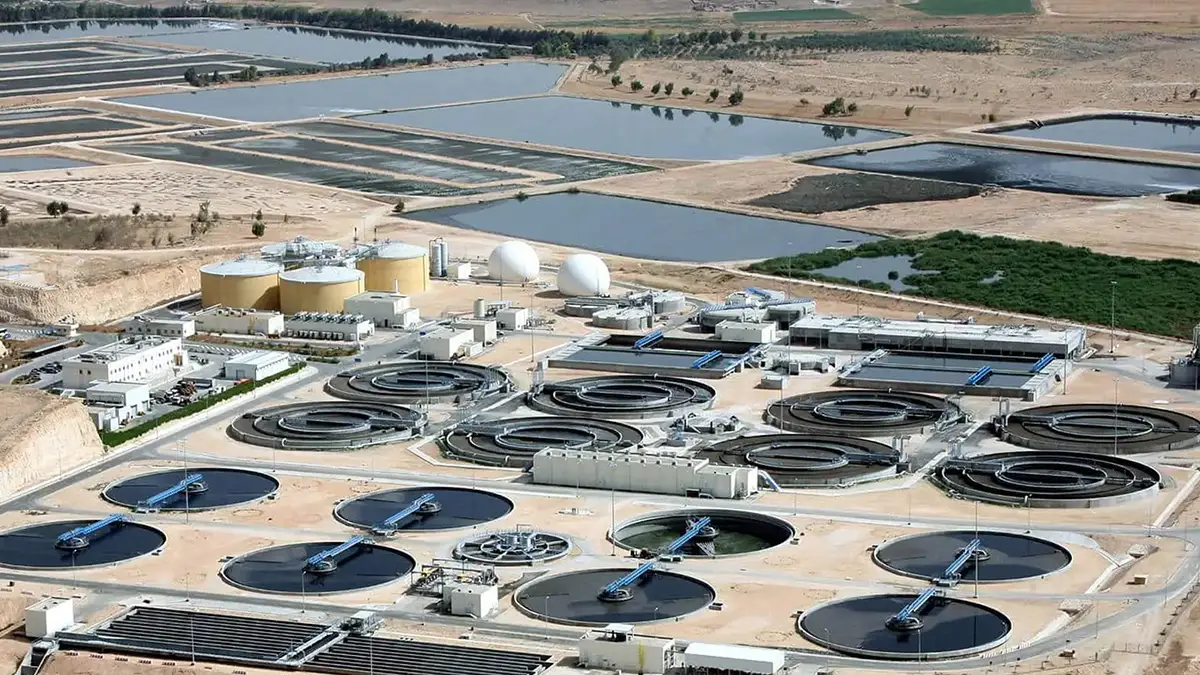
Wastewater Recycling & Reuse Plants can be designed for projects aiming to recover and reuse water from suitable industrial wastewater streams. The intended application of reclaimed water and the management strategy for remaining concentrate streams should be developed together.
Evaluate Water Treatment Investments Based on Water Balance and Process Requirements
An effective chemical and manufacturing water treatment project begins with a detailed assessment of the facility’s water balance and production-specific water quality requirements.
Key information for the initial project evaluation includes raw water analysis, treated water specifications, hourly and daily consumption rates, the composition of different wastewater streams, and the performance of existing treatment systems.
For facilities operating batch production processes, changes between production batches and cleaning cycles should also be documented. These variations may influence wastewater characteristics, treatment performance, and required system capacity.
The U.S. Environmental Protection Agency’s Industrial Water Reuse Resources provide information on opportunities to recover water generated within industrial facilities for different technical applications.
However, any proposed water reuse application must be evaluated and verified according to the facility’s chemical constituents, process requirements, and intended use of the reclaimed water.
In addition to the initial investment, operating costs associated with energy consumption, chemicals, consumables, maintenance, and residual waste management should be considered when comparing treatment alternatives.
Let's Define the Right Water Quality Standards for Your Manufacturing Process