Water treatment for power plants and energy facilities must be designed according to the water quality requirements of their operating cycles and equipment. Boiler feedwater, cooling system makeup water, and water used in auxiliary processes have different quality specifications. Rielli’s reverse osmosis (RO), electrodeionization (EDI), and pretreatment technologies can be evaluated for projects designed to meet these requirements.
Determining the appropriate water treatment system requires more than knowing the daily production capacity. Variations in plant load, operating hours, available water sources, and equipment manufacturers’ water quality specifications must also be considered. This approach allows the treatment process to be designed according to actual operating conditions and the facility’s technical requirements.
Integrate Cycle Chemistry and Water Treatment Planning
The International Association for the Properties of Water and Steam (IAPWS) provides Technical Guidance on Cycle Chemistry Instrumentation, addressing sampling points and monitoring approaches for thermal power plants, combined cycle facilities, and industrial steam systems.
These guidelines highlight the importance of defining water quality objectives according to the specific power generation process and equipment configuration. A single conductivity or water purity value should not be presented as a universal requirement for all energy facilities.
For plants operating steam systems, condensate recovery and boiler blowdown management also influence the overall water balance.
The U.S. Department of Energy’s Best Management Practice for Steam Boiler Systems emphasizes the importance of maintenance, condensate return, and water quality-based system control.
Investments in boiler feedwater treatment systems should therefore be evaluated alongside these operational considerations rather than as isolated equipment purchases.
Rielli Water Treatment Systems for Power Plants and Energy Facilities
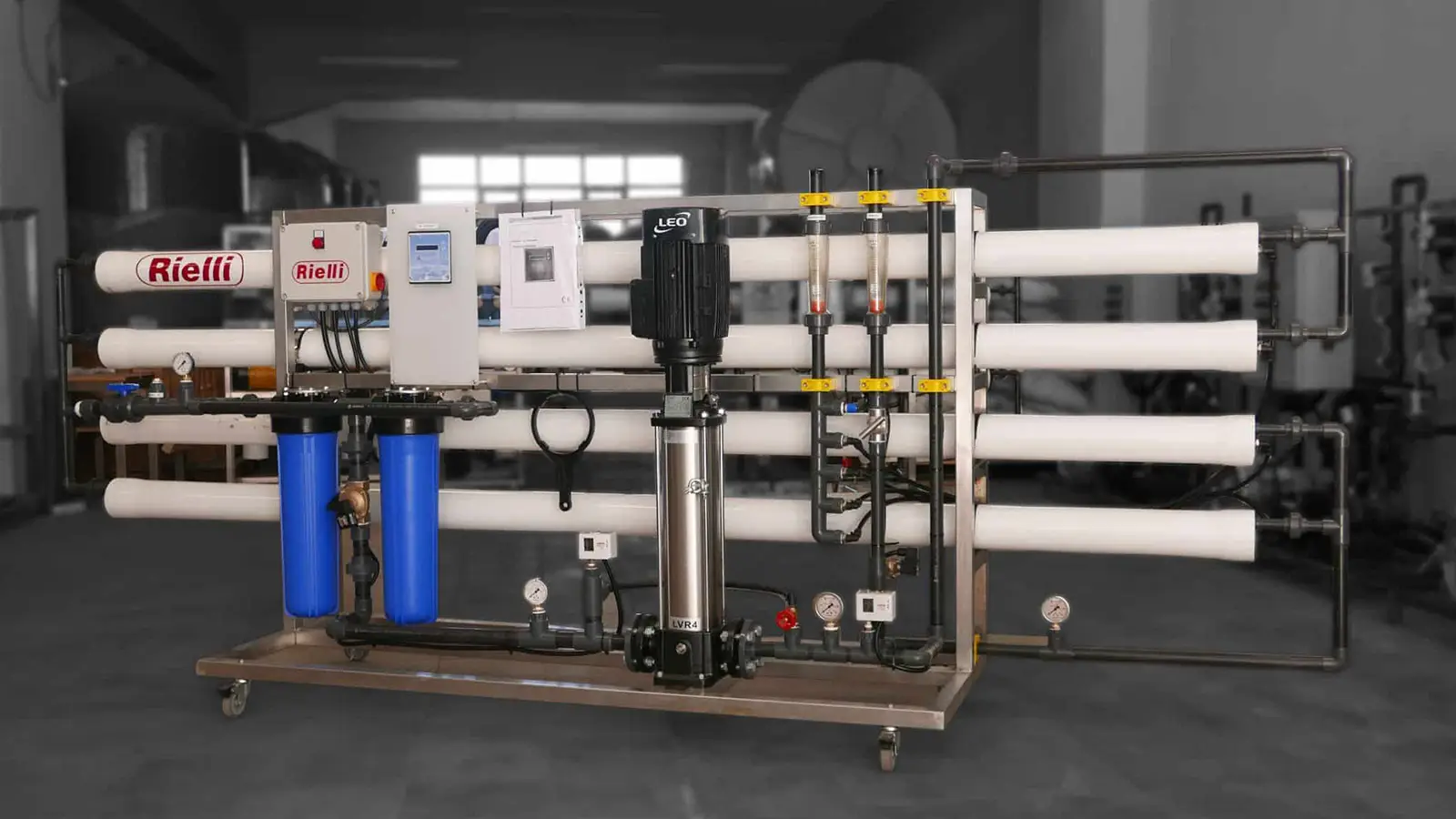
Rielli offers a range of industrial water treatment technologies for power generation and energy facilities, supporting feedwater preparation, dissolved ion removal, membrane filtration, and high-purity water production.
Industrial Reverse Osmosis (RO) Plants can be incorporated into water treatment processes to reduce dissolved salt concentrations in source water. Variations in feedwater quality, pretreatment requirements, and target permeate specifications should be considered together when designing the system.
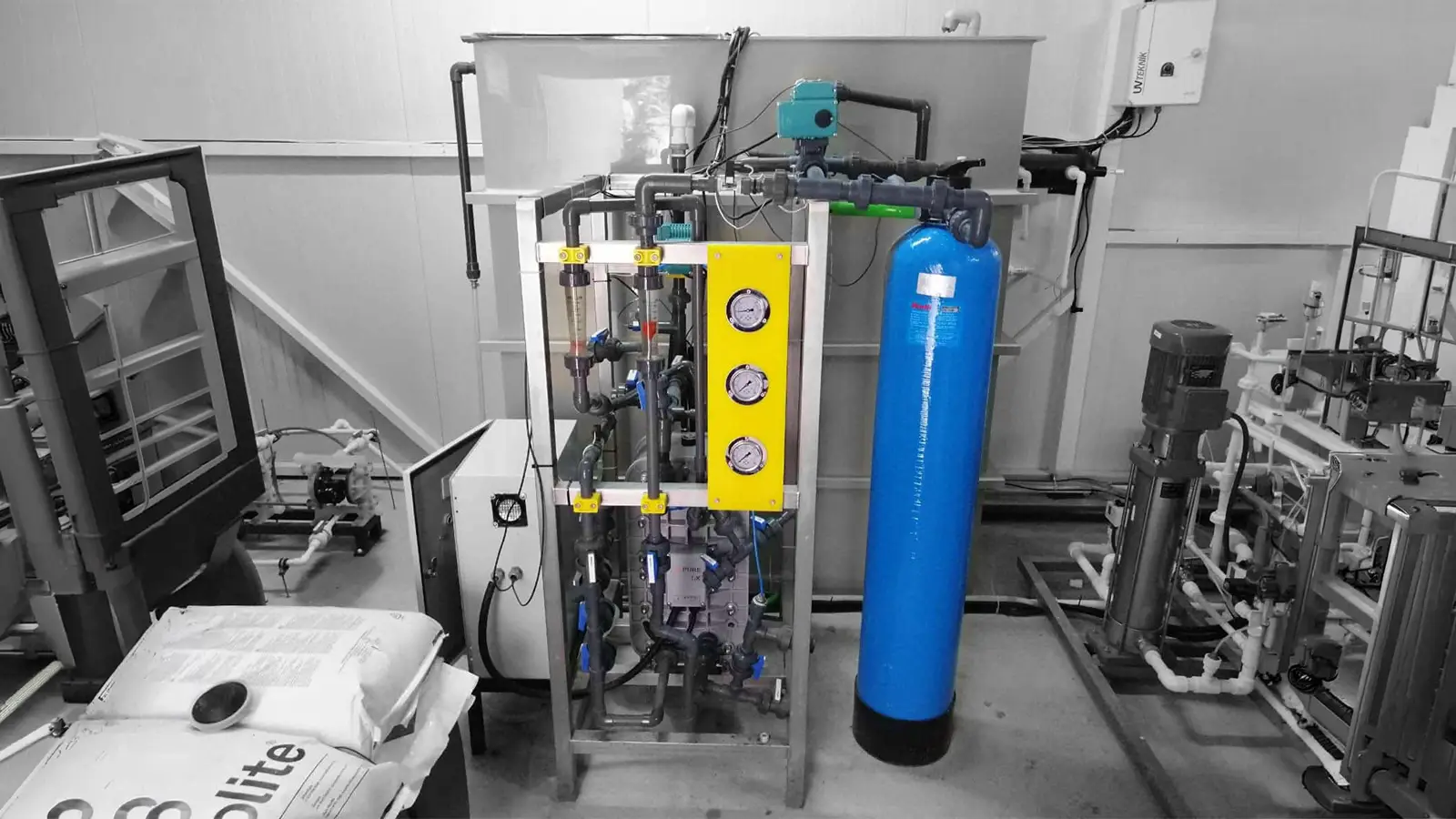
EDI Electrodeionization Plants can be evaluated for water purification applications requiring further reduction of dissolved ions after appropriate pretreatment. Feedwater quality and operating conditions must be verified against the technical specifications of the selected EDI system. EDI technology may be integrated into high-purity water treatment processes where the required quality standards justify its application.
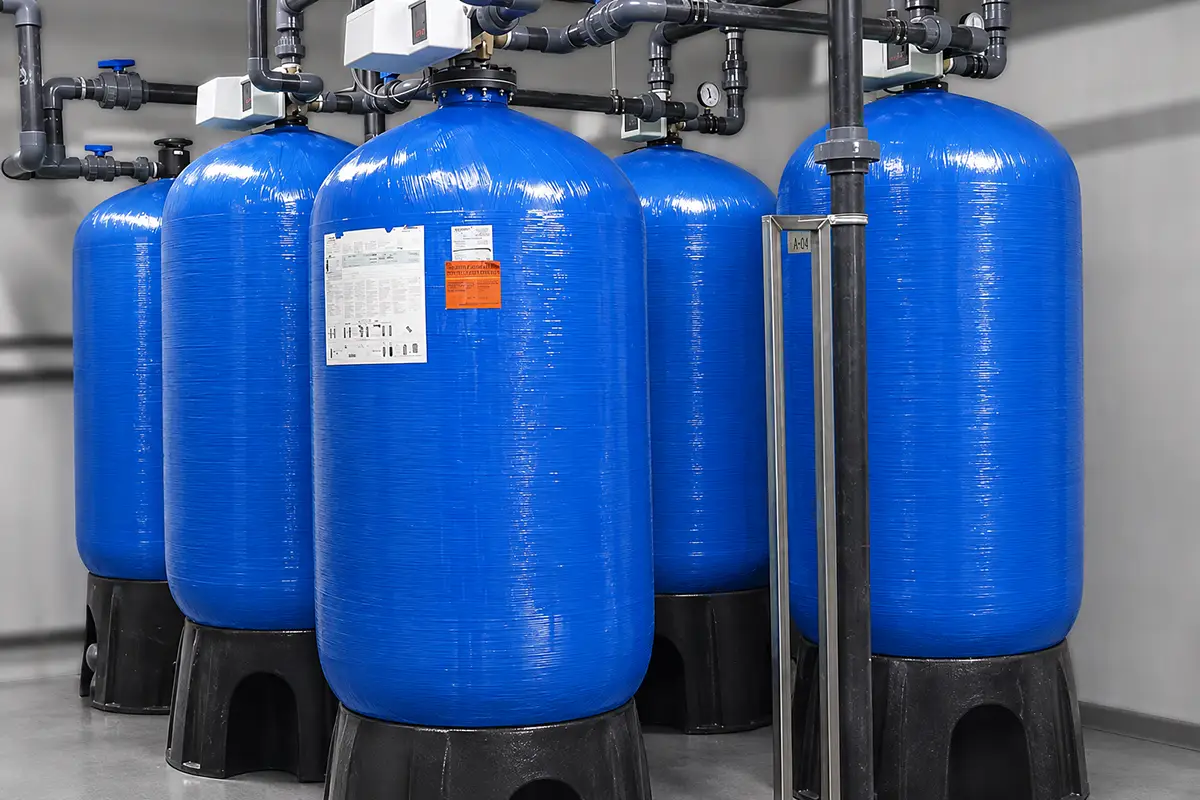
Water Softening and Demineralization Systems provide treatment options for applications requiring hardness removal or more extensive dissolved ion reduction. The appropriate technology should be selected according to the equipment manufacturer’s water quality specifications, recognizing that low-pressure and high-pressure steam systems may have substantially different feedwater requirements.
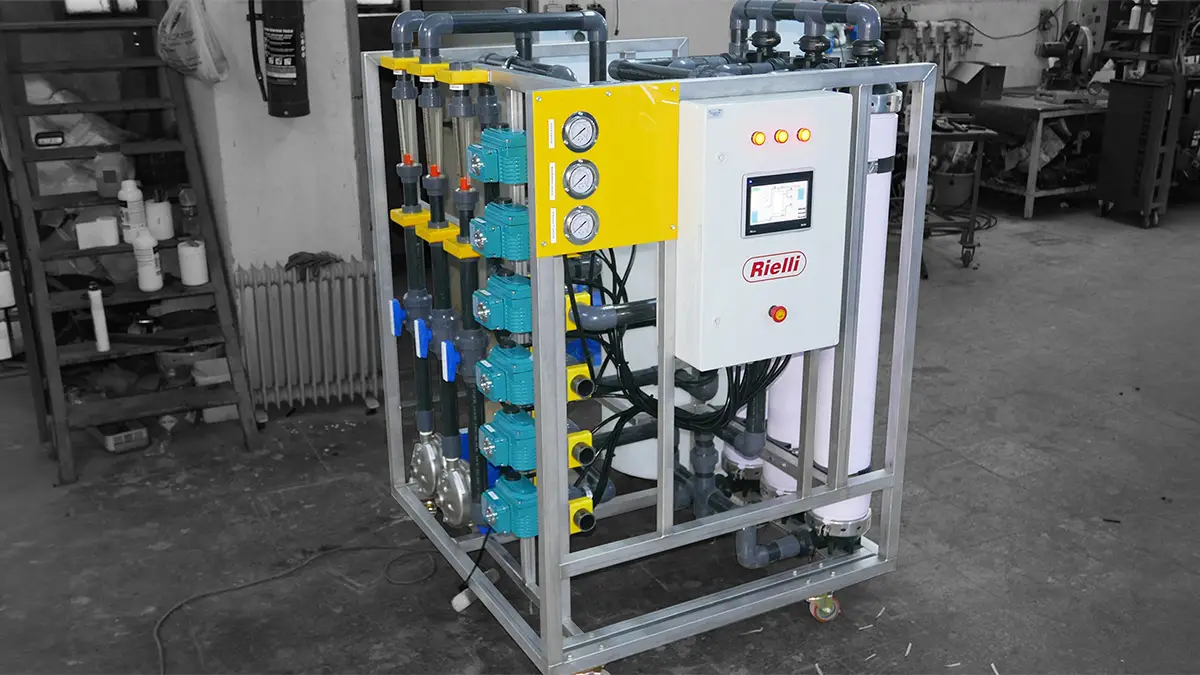
Ultrafiltration (UF) Units and Modules can be considered for raw water pretreatment processes requiring suspended solids and turbidity reduction. When surface water or variable-quality water sources are used, pretreatment should be designed to provide feedwater conditions compatible with downstream membrane systems.
Define Water Quality Targets and Operational Flexibility
An effective power plant water treatment project requires a detailed evaluation of the facility’s operating conditions, water requirements, and equipment specifications.
For an initial technical assessment, essential information includes the type of energy facility, source water analysis results, hourly and daily water demand, operating schedules, and existing water treatment process diagrams.
Where available, the technical water quality specifications of boilers, steam generators, or other cycle equipment should also be included in the evaluation.
For facilities requiring continuous operation, water supply reliability during maintenance activities and appropriate system redundancy must be considered during project planning.
Monitoring parameters, sampling locations, and alarm strategies should be defined according to the project’s technical requirements.
If treated water passes through storage tanks or distribution networks before reaching the point of use, potential changes in water quality within these sections must also be evaluated.
A single water quality measurement at the treatment system outlet does not necessarily demonstrate that the entire steam or cooling water cycle is operating within the required specifications.
When comparing industrial water treatment solutions for energy facilities, the evaluation should consider not only treated water production capacity but also energy consumption, chemical requirements, regeneration or cleaning procedures, and concentrate management.
This comprehensive assessment supports the selection of a treatment system that meets the facility’s operational requirements rather than focusing exclusively on initial equipment costs.
Let's Evaluate Your Power Plant's Water Quality Requirements