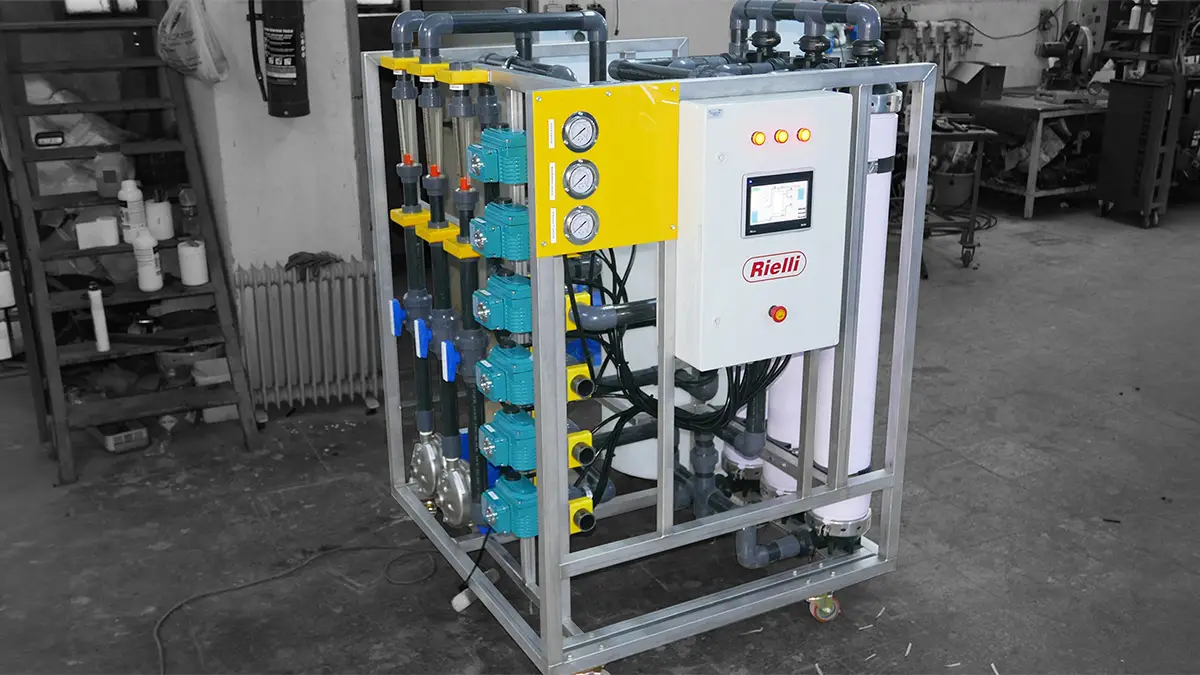
Producing freshwater for onboard use and meeting the maintenance, production, and auxiliary water requirements of shipyards involve different design considerations. Marine and shipyard water treatment systems must be engineered with careful consideration of the water source, operating hours, available installation space, and required water quality. Rielli’s seawater desalination plants and marine watermakers can be evaluated according to these specific requirements.
Although seawater may appear to be a readily available resource for coastal facilities, its quality should not be assumed to remain constant. Seasonal variations and port activities can influence intake water characteristics, making these factors essential considerations when designing pretreatment systems. Understanding these conditions is necessary before determining the appropriate water treatment capacity.
Integrated Planning of Water Production, Pretreatment, and Storage
When producing drinking water or freshwater for general use, focusing exclusively on the treatment equipment is not sufficient. Water storage, distribution, and monitoring systems must also be considered to ensure reliable water supply and appropriate water quality.
The World Health Organization’s Guide to Ship Sanitation provides a risk-based framework for managing drinking water safety onboard vessels, covering both system design and operational practices.
For shipyard water treatment projects, appropriate water analyses should assess parameters such as turbidity, total suspended solids (TSS), oil content, and organic loading. A pretreatment configuration suitable for one harbor water intake may not perform adequately at another location.
Salinity, water temperature, and required freshwater production capacity must also be considered when selecting and sizing seawater desalination equipment.
Rielli Water Treatment Systems for Marine and Shipyard Applications
Rielli offers a range of marine water treatment and industrial water purification technologies suitable for vessels, coastal facilities, and shipyard operations.
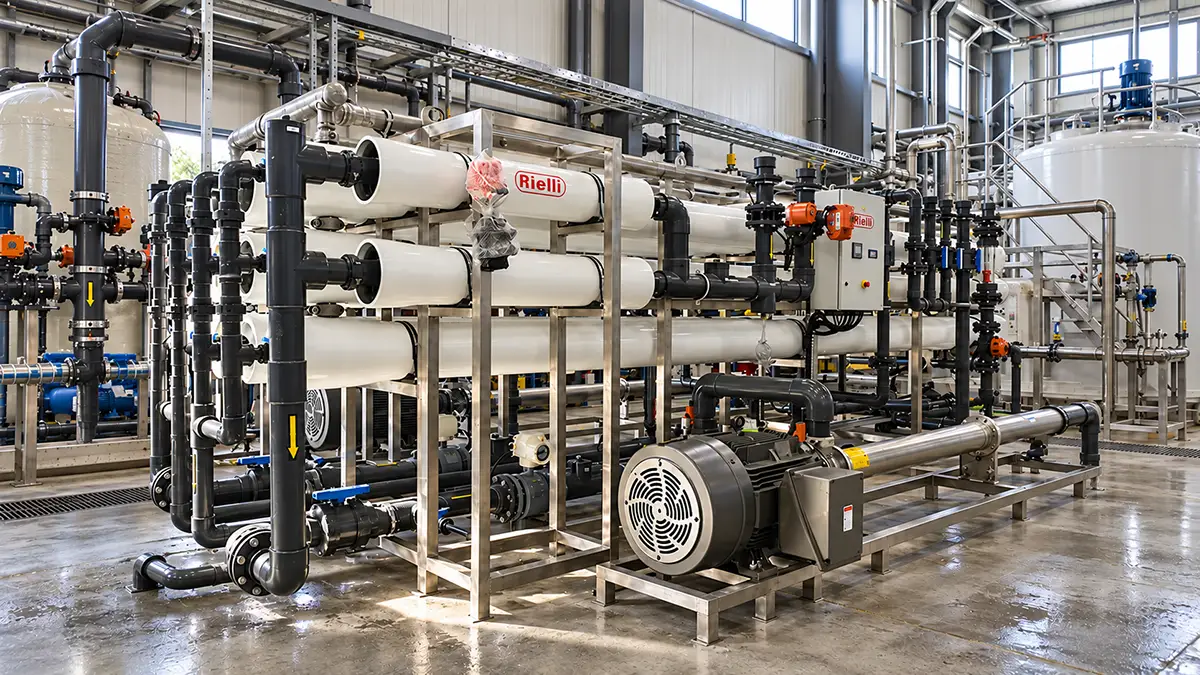
Seawater Desalination Plants can be evaluated for coastal facilities and shipyards requiring freshwater production from seawater. Depending on project requirements, pretreatment, product water conditioning, and concentrate management should be planned as integrated components of the overall desalination system.
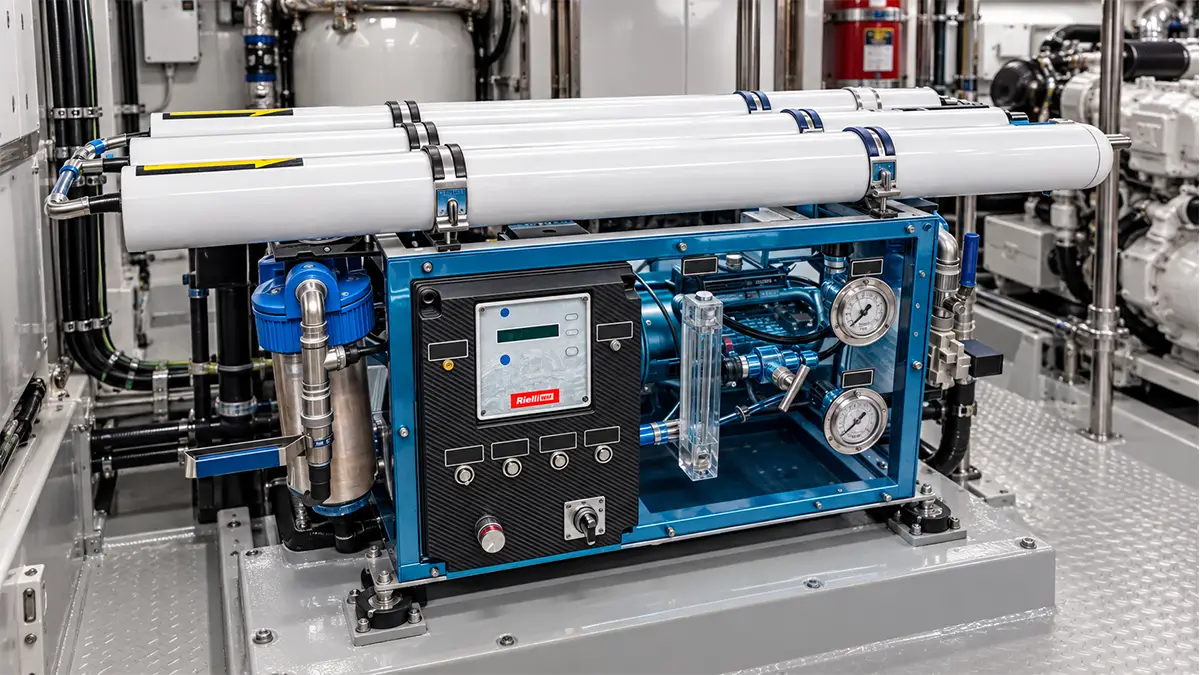
Marine Watermakers are designed to meet freshwater production requirements onboard yachts, boats, and other marine vessels. Selecting the appropriate watermaker depends on daily water consumption, available operating hours, electrical power supply, and accessibility for maintenance.
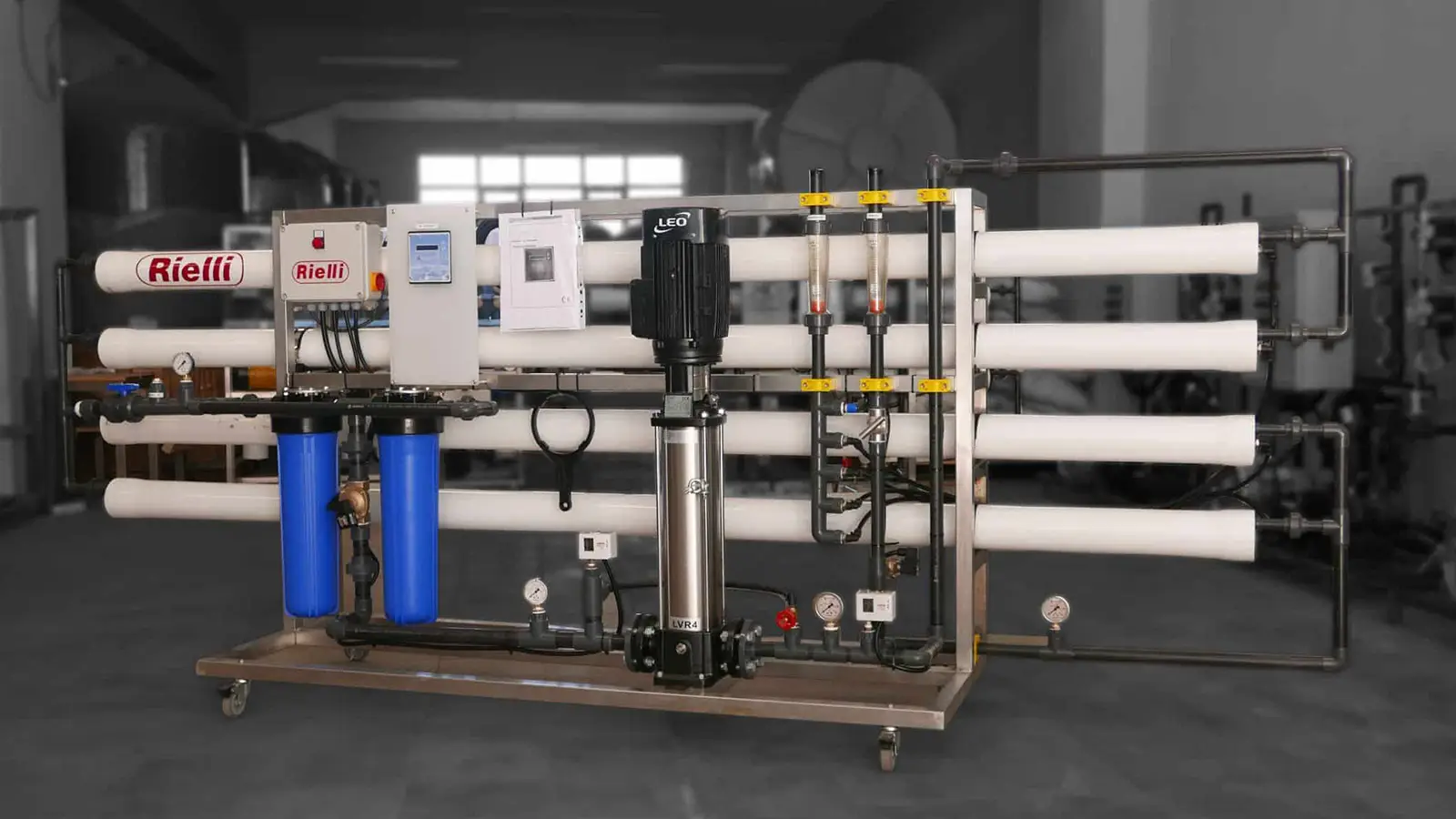
Industrial Reverse Osmosis (RO) Plants can be used to produce process water of specified quality from well water or municipal water supplies at shipyards. However, seawater and lower-salinity water sources require different system design considerations, and the same RO configuration should not automatically be assumed suitable for both applications.
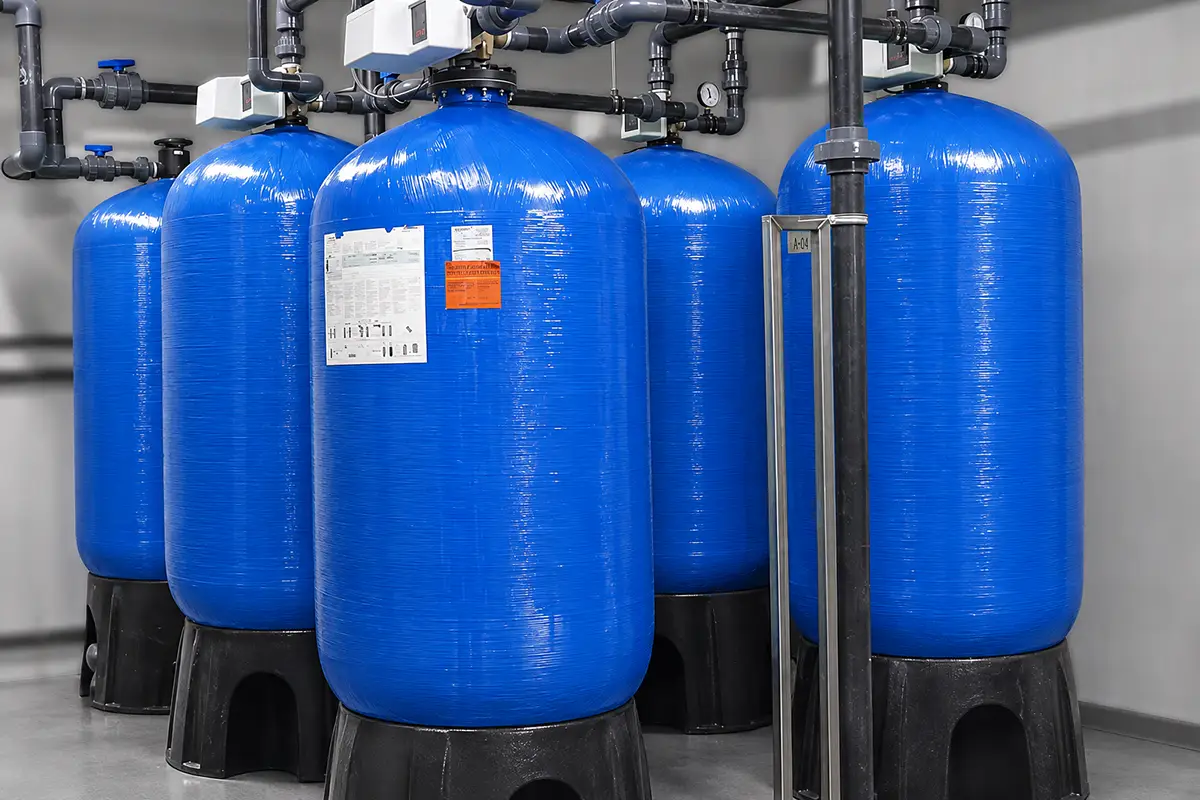
Water Softening and Demineralization Systems can be considered for shipyard auxiliary operations requiring specific water hardness or dissolved ion concentrations. These systems address particular water conditioning requirements and should not be regarded as direct alternatives to seawater desalination.
Ultrafiltration (UF) Units and Modules can be evaluated as pretreatment solutions for controlling suspended particles and turbidity in incoming water. For seawater containing oil or fluctuating contamination levels, membrane selection, upstream separation processes, and cleaning requirements must be assessed and verified separately.
What Information Is Required Before Requesting a Quote?
An accurate preliminary assessment of a marine or shipyard water treatment project requires information about the vessel or facility, daily freshwater demand, water intake location, available water analysis results, installation space, and electrical power supply.
For marine vessels, the expected daily operating hours of the watermaker and onboard freshwater storage tank capacity should be specified together.
For shipyards, simultaneous water consumption across production, maintenance, and auxiliary operations should also be considered when determining total water treatment capacity.
Where treated water is intended for drinking purposes, potential risks associated with storage and distribution systems must not be overlooked.
The World Health Organization’s Water Safety Plan Manual provides guidance for identifying and managing water quality risks from the source to the point of use. This reference is intended as general technical guidance and does not constitute product certification or automatic regulatory approval for Rielli systems.
Find the Right Water Treatment Solution for Your Vessel or Shipyard