The success of water treatment systems for buildings depends not only on selecting the appropriate equipment but also on integrating it effectively with architectural and mechanical engineering plans. In residential buildings, offices, hotels, and mixed-use developments, water sources, consumption points, and technical spaces should be evaluated together during the design stage. Rielli’s water treatment and recycling technologies can be considered according to each project’s water supply and reuse requirements.
In new construction projects, making the right decisions at an early stage simplifies the integration of water collection and distribution pipelines into the building’s infrastructure. For existing buildings, available service shafts, mechanical rooms, storage areas, and the scope of renovation work become critical factors. Therefore, the same treatment capacity or plumbing configuration should not automatically be recommended for every building.
Integrate Greywater Recycling into Mechanical Engineering Plans
Greywater recycling in buildings requires an integrated approach to collecting greywater separately, treating it to the required quality, and distributing the reclaimed water through dedicated pipelines for non-potable applications.
The U.S. Environmental Protection Agency’s Onsite Non-Potable Water Reuse Resources explain how water collected from suitable sources can be treated and reused for applications such as toilet flushing.
When planning a greywater treatment system, the project should clearly define which water sources will be collected, the daily volume of recoverable greywater, and the expected demand for reclaimed water.
Separating potable water distribution networks from reclaimed water pipelines and ensuring adequate maintenance access are fundamental design considerations.
Treatment system capacity should not be determined solely by the number of toilets or flushing fixtures. Both greywater availability and actual non-potable water demand must be evaluated.
Rielli Water Treatment Systems for Building and Construction Projects
Rielli offers a range of water treatment and recycling solutions for residential, commercial, and mixed-use buildings, supporting efficient water management and project-specific water quality requirements.
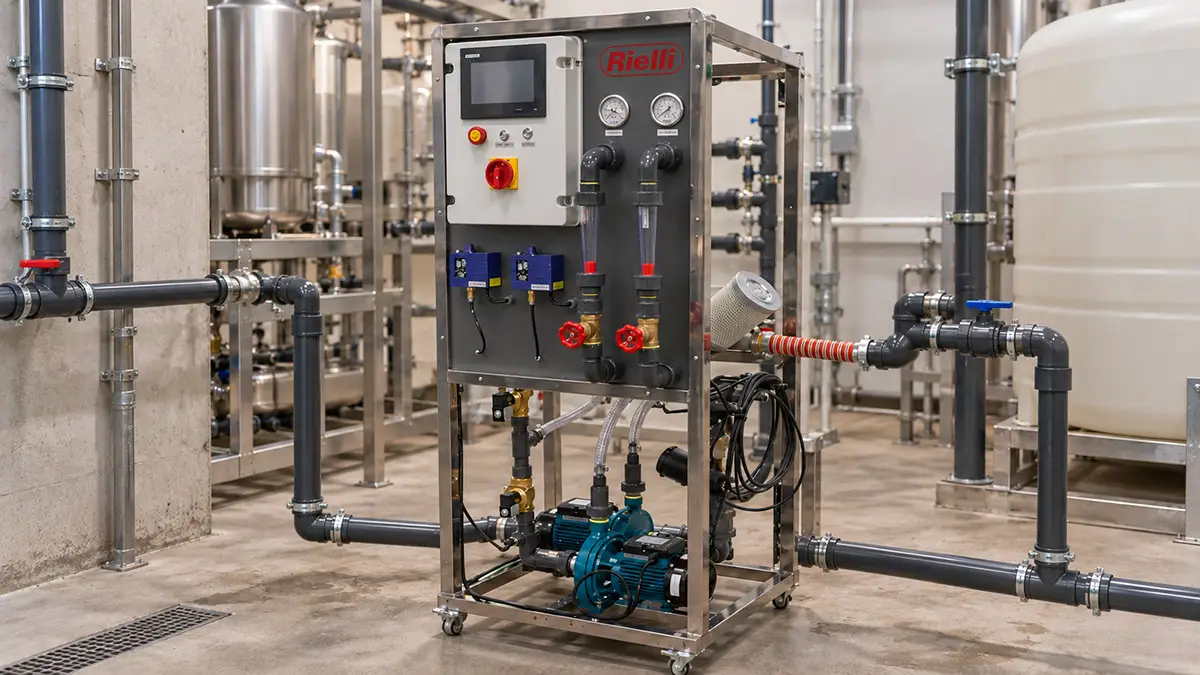
Greywater Treatment & Recycling Systems can be evaluated for treating water collected from suitable sources, such as showers and washbasins, for reuse in non-potable applications. System capacity should be compatible with the building’s occupancy profile, water consumption patterns, and greywater collection infrastructure.
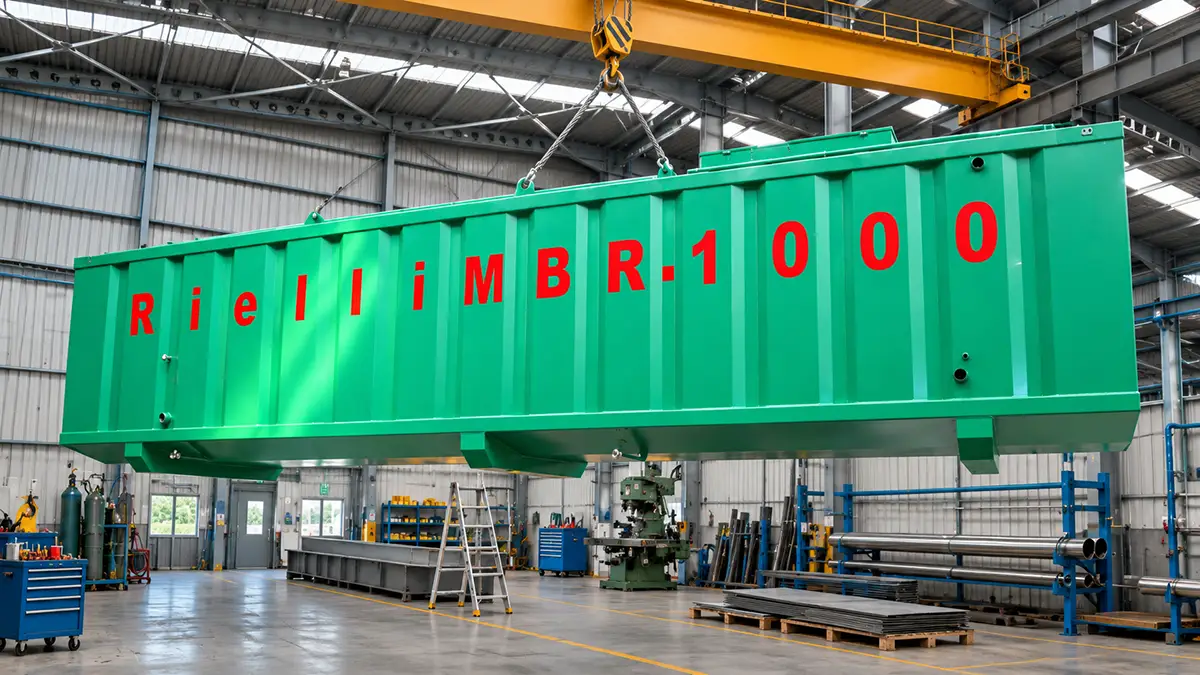
Membrane Bioreactor (MBR) Plants & Modules may provide a solution for wastewater management applications requiring biological treatment. The suitability of MBR technology depends on wastewater characteristics and the project’s discharge or water reuse objectives.
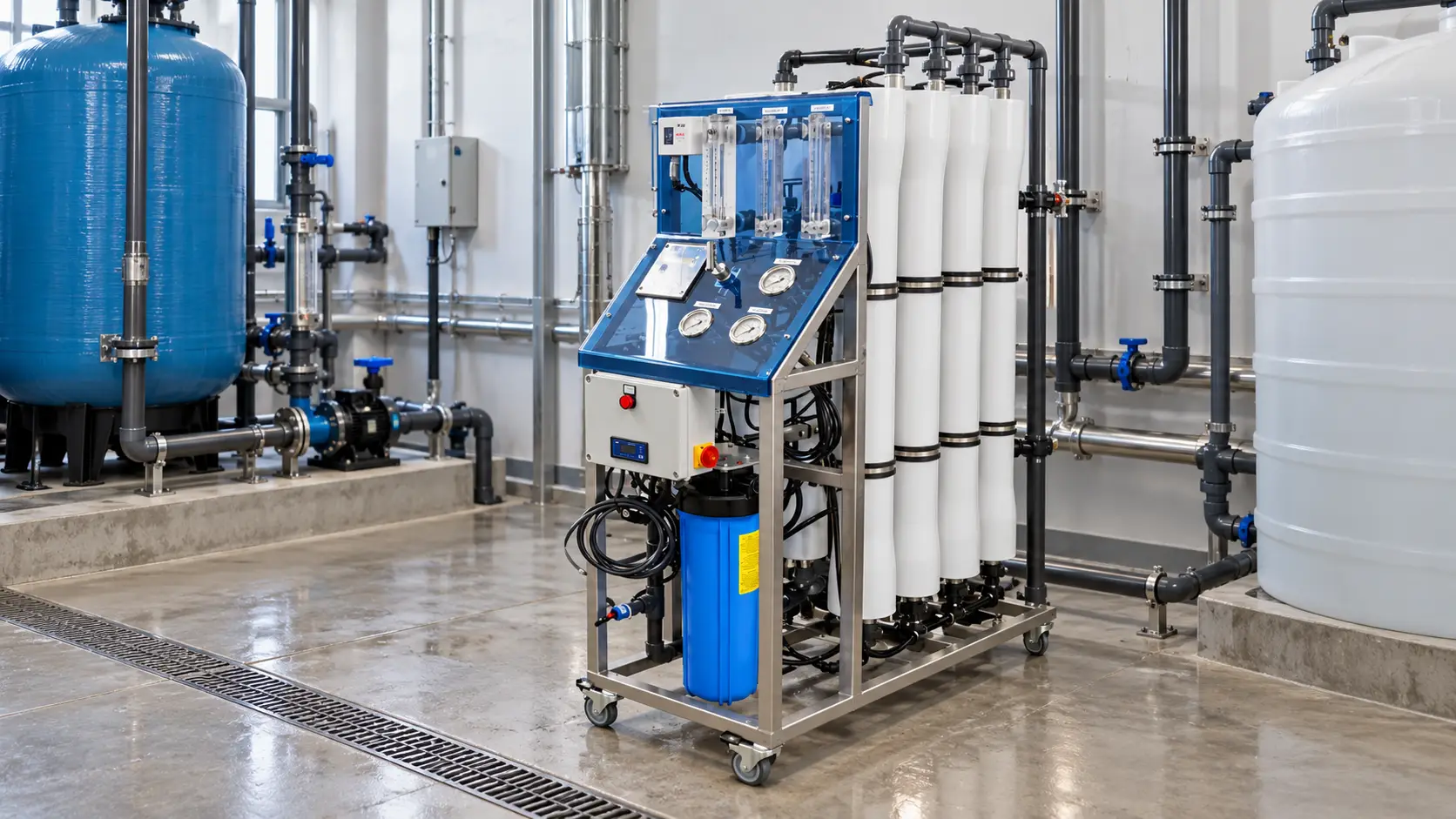
Blue Line Reverse Osmosis Systems can be considered for specific water preparation applications where appropriate feedwater conditions and treatment capacity are available. The intended application must be clearly defined rather than assuming that a single compact system can meet the entire building’s water demand.
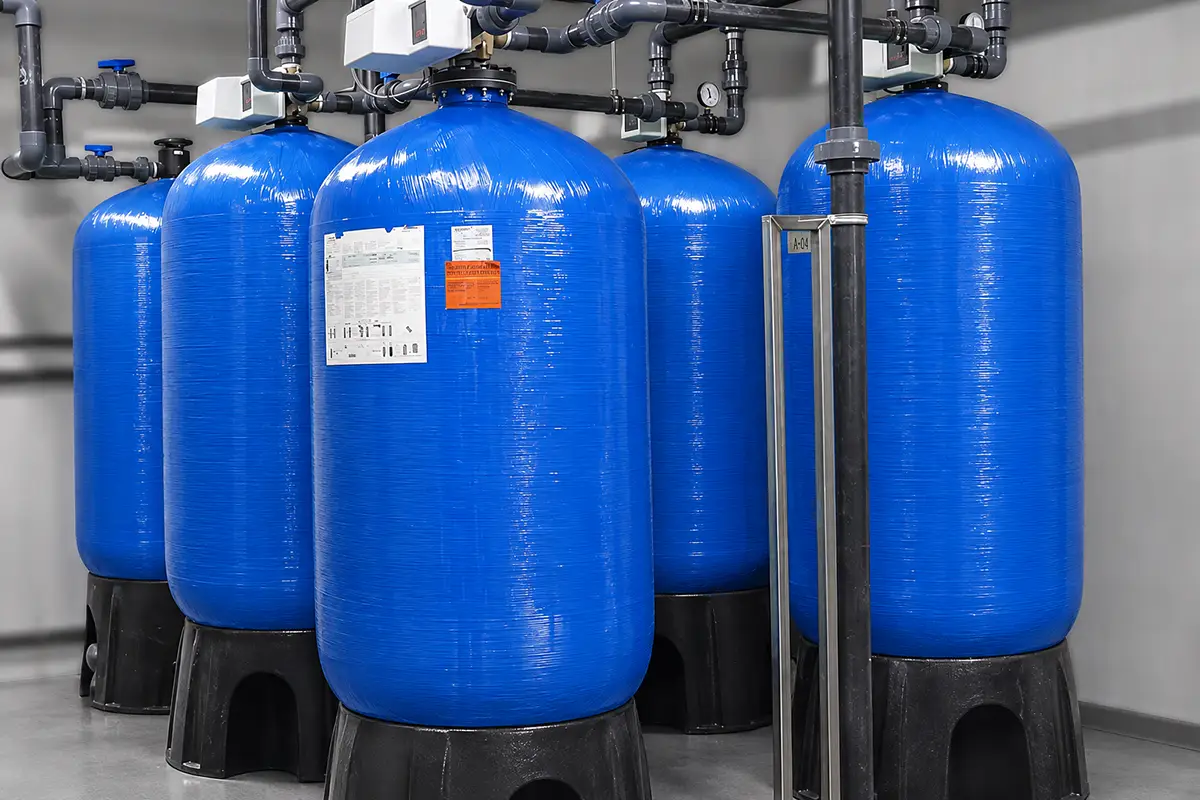
Water Softening & Demineralization Systems offer treatment options for domestic service water and technical water distribution lines requiring hardness reduction or dissolved ion control. The required treatment level should be established according to raw water analysis and the technical specifications of the equipment being supplied.
Plan System Operation Alongside Equipment Installation
Developing an effective building water treatment and reuse system requires evaluating both the technical equipment and the facility’s long-term operating conditions.
Essential information for an initial project assessment includes the number of apartments or independent units, expected occupancy, shared facilities, daily water consumption, and available dimensions of technical installation areas.
Water storage tank placement, equipment removal clearances for maintenance, electrical power supply, and drainage facilities must also be incorporated into the mechanical design.
Before building handover, responsibilities for system operation, water quality monitoring, and routine maintenance should be clearly defined.
The U.S. Environmental Protection Agency’s WaterSense Resources for Commercial Buildings emphasize the importance of understanding water consumption patterns and monitoring water use to improve water management.
Water treatment systems should therefore be evaluated as part of a broader building water management strategy that includes consumption measurement and leak monitoring.
In mixed-use developments combining residential units with hotels or other hospitality facilities, different water consumption profiles may need to be assessed separately. For the hospitality component of such projects, Rielli’s Hotel and Hospitality Water Treatment Solutions provide an additional starting point.
Let's Plan Water Treatment at the Start of Your Construction Project