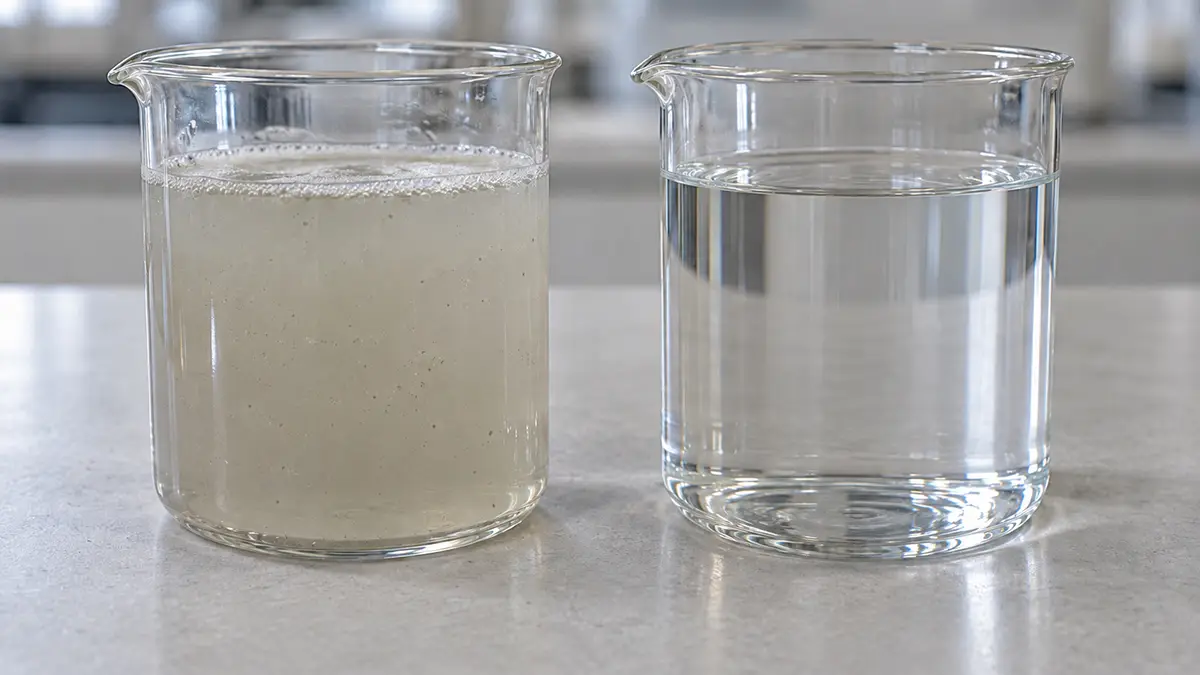
Water Recycling
Grey Water Recycling
Treat grey water from showers, baths and washbasins for reuse in toilet flushing, landscape irrigation and other suitable applications, helping reduce freshwater demand.
View Details
Reduce your building’s freshwater demand by recycling water from showers, baths, and washbasins. Rielli grey water recycling systems treat separately collected grey water to achieve the water quality required for its intended reuse. These solutions help hotels, residential complexes, and similar buildings reduce water consumption and improve water resource efficiency.
Grey water is wastewater collected separately from toilet wastewater, originating from sources such as showers, baths, and handwashing basins. Since it may contain soap, detergents, hair, skin particles, and microorganisms, it should not be considered clean water without appropriate treatment.
Kitchen and dishwasher wastewater differ from shower and washbasin water due to their grease and food residue content. The inclusion of laundry wastewater in a grey water recycling system should also be evaluated separately, considering detergent concentrations and pollutant loads.
Grey water recycling provides an alternative water source for applications that do not require drinking water quality. It helps reduce both freshwater consumption from the municipal supply and the volume of wastewater discharged into the sewer system.
In buildings with regular shower and bathing activities, matching grey water generation with potential reuse demand is particularly important. The overall benefit of a grey water recycling system depends not only on the volume of treated water but also on how much of that water can actually be reused.
Grey water is collected through a dedicated plumbing system without mixing with toilet wastewater. An equalization tank helps minimize the impact of flow variations throughout the day on the treatment process.
During preliminary treatment, hair, fibers, and other coarse materials are removed before the water enters the main treatment stages.
Rielli uses Membrane Bioreactor (MBR) technology in grey water recycling systems. During biological treatment, biodegradable organic compounds are removed, while membrane filtration separates the treated water from biological sludge.
Ultrafiltration (UF)-based alternatives may also be considered for suitable projects. The selection of treatment technologies should be based on the organic load of the incoming grey water and the required treated water quality.
For further technical information, explore our Membrane Bioreactor (MBR) Plants and Modules and Ultrafiltration Units and Modules pages.
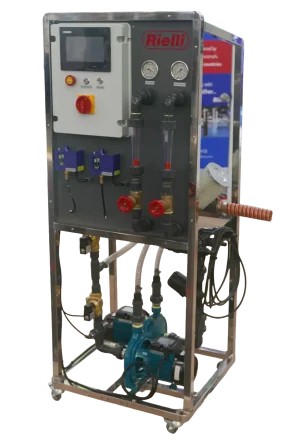
Treated grey water undergoes the disinfection and additional treatment processes required for its intended application.
Storage and distribution systems must be designed to maintain treated water quality. The reclaimed water distribution network must remain separate from the potable water supply, and appropriate measures must be implemented to prevent cross-connections.
Provided that the required water quality standards and operating conditions are met, recycled grey water can be used in the following applications:
These applications are designed according to water quality requirements that differ from those for potable water. Chemical and microbiological quality targets must be established based on the intended reuse application.
For further information about potential applications, you can explore the US Environmental Protection Agency (EPA) resources on onsite non-potable water reuse.
In new construction projects, incorporating separate grey water collection and reclaimed water distribution networks during the initial design stage facilitates system integration.
For existing buildings, the feasibility assessment should consider separate collection possibilities, plumbing routes, available treatment space, and storage tank capacities.
Installing a grey water treatment unit alone is not sufficient. The complete solution must also include the collection of grey water from its sources and the distribution of treated water to designated reuse points.
Rielli grey water recycling solutions offer the potential to reduce overall building water consumption by up to 40% in suitable projects.
Actual water savings depend on the volume of grey water generated, building occupancy, water consumption patterns, and the demand for reclaimed water.
The following factors should be considered when evaluating an investment:
Therefore, the return on investment and payback period should be calculated individually based on the operating conditions and water consumption data of each building.
Drawing on its experience in MBR technology since 2007, Rielli provides process selection and engineering support for grey water recycling projects.
Compact system design, available installation space, and operational requirements are evaluated together during the engineering and project planning stages.
You can request a preliminary project assessment by sharing information about your building type, number of occupants or rooms, existing plumbing infrastructure, and intended reclaimed water applications.
For projects involving a broader range of wastewater sources, explore our Wastewater Recycling and Process Water Production solution.
Treat grey water from showers, baths and washbasins for reuse in toilet flushing, landscape irrigation and other suitable applications, helping reduce freshwater demand.
View Details ↗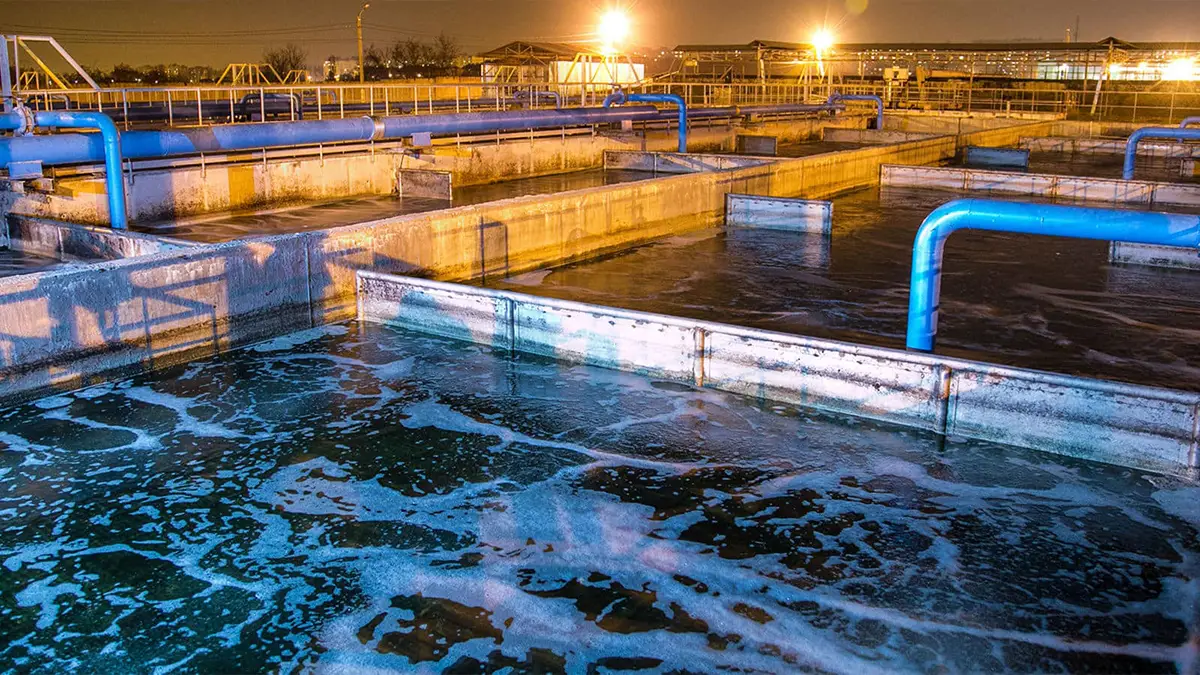
Produce process water with physical and chemical properties tailored to the specific requirements of industrial operations.
View Details ↗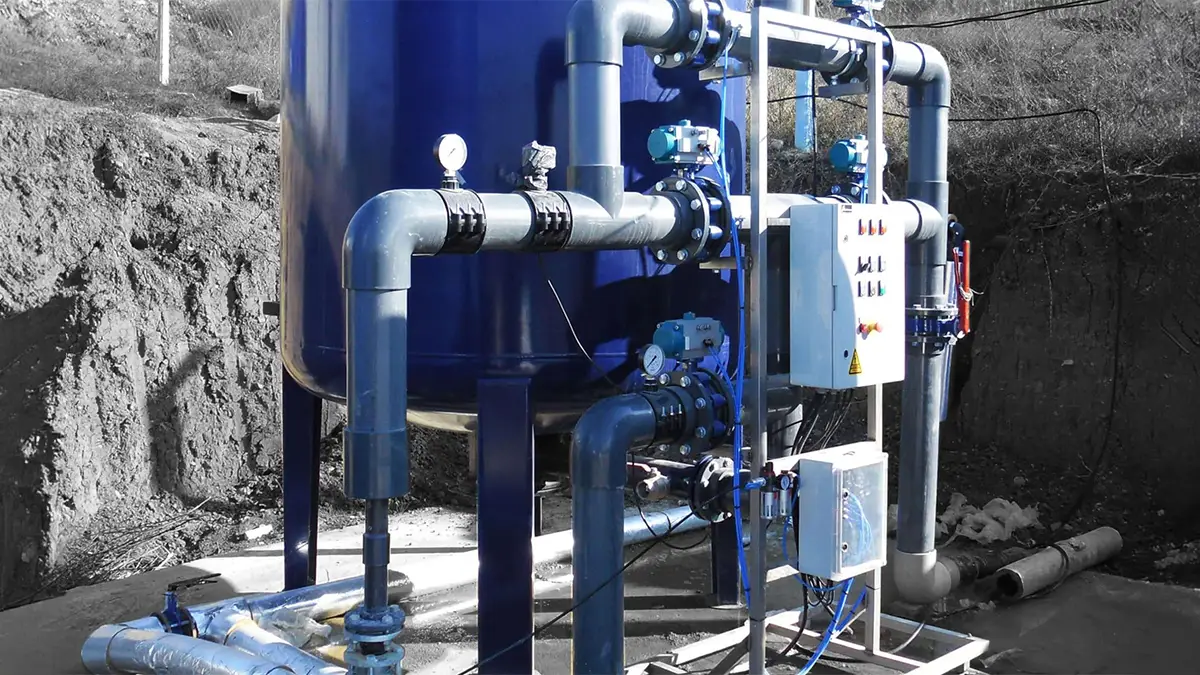
Rielli drinking water treatment systems combine user-friendly design, online monitoring and cost-effective operation with engineering and service support.
View Details ↗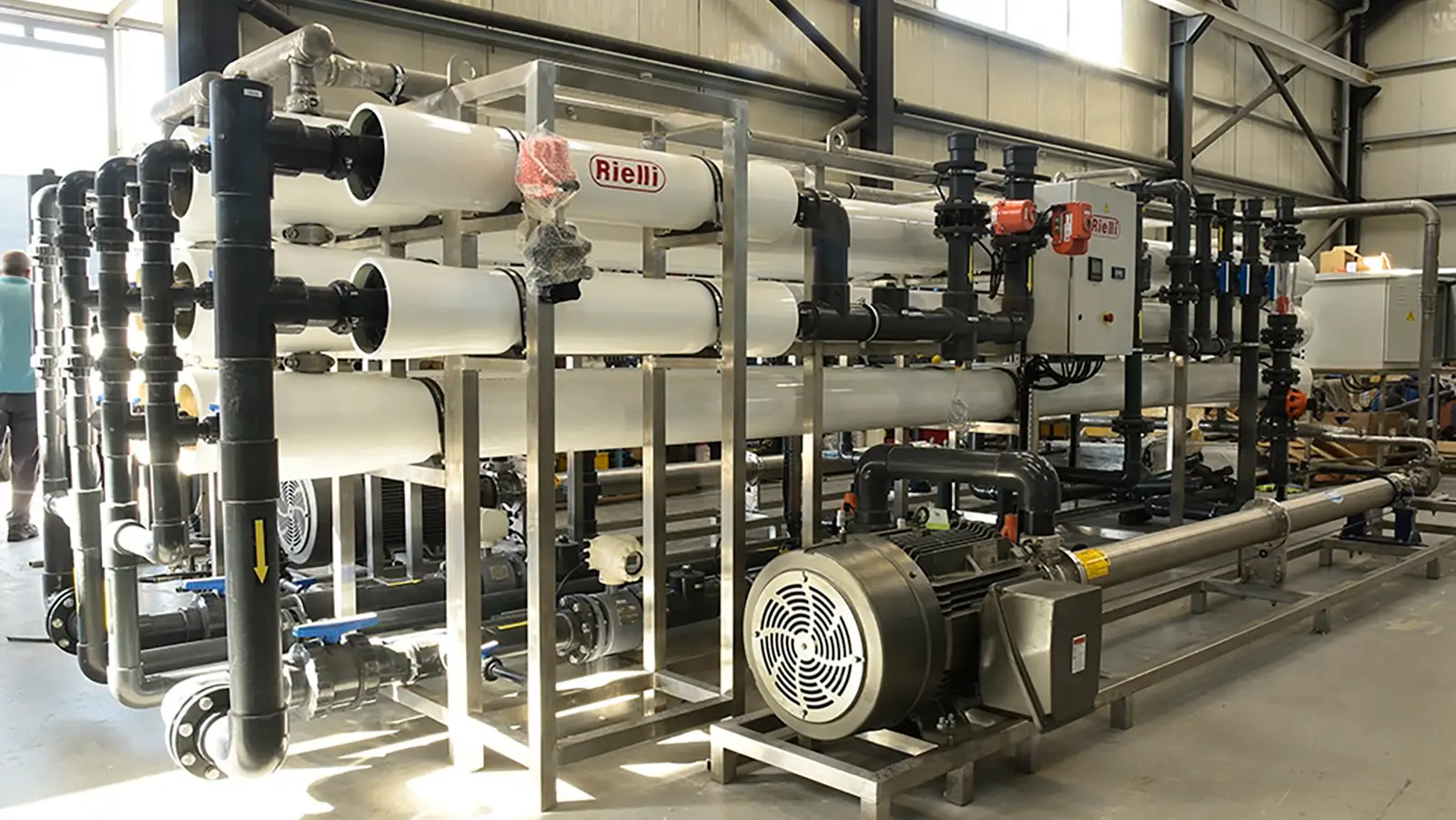
Turn seawater and highly saline groundwater into drinking water through treatment solutions designed for challenging water sources.
View Details ↗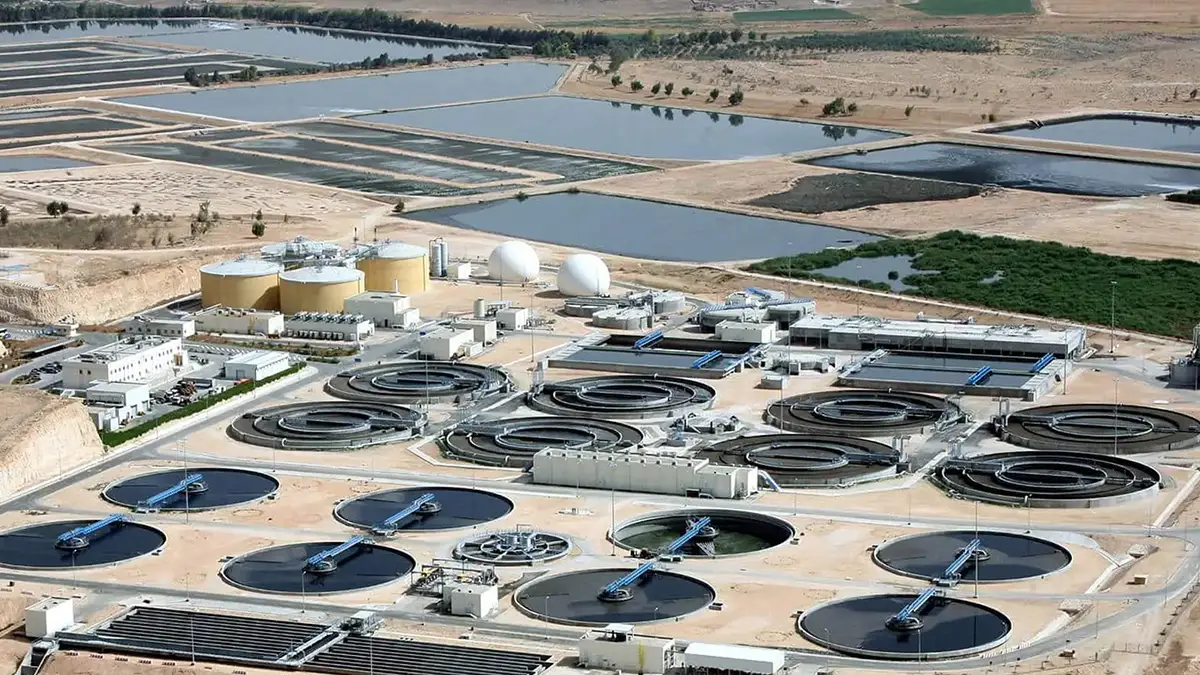
Recover municipal or industrial wastewater for suitable process water applications, reducing freshwater consumption and wastewater discharge.
View Details ↗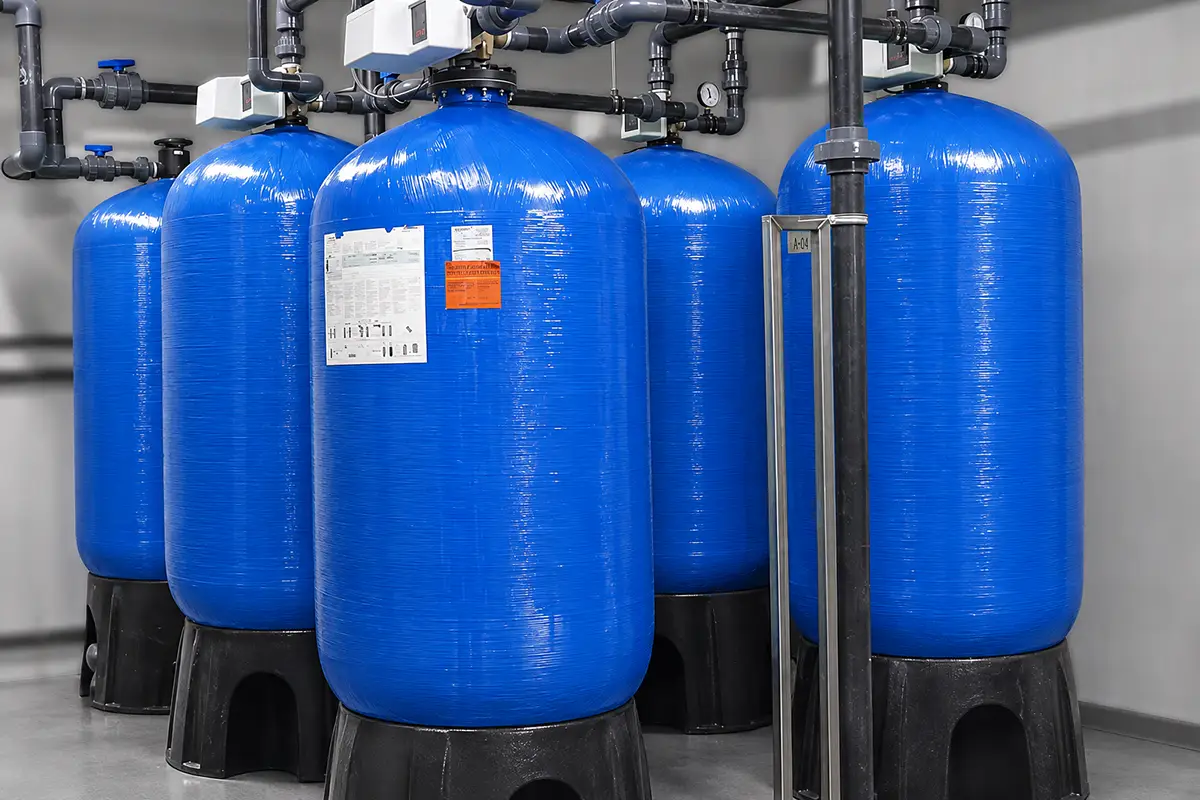
Recover water generated during the backwashing of multimedia filters, activated carbon filters and water softening systems.
View Details ↗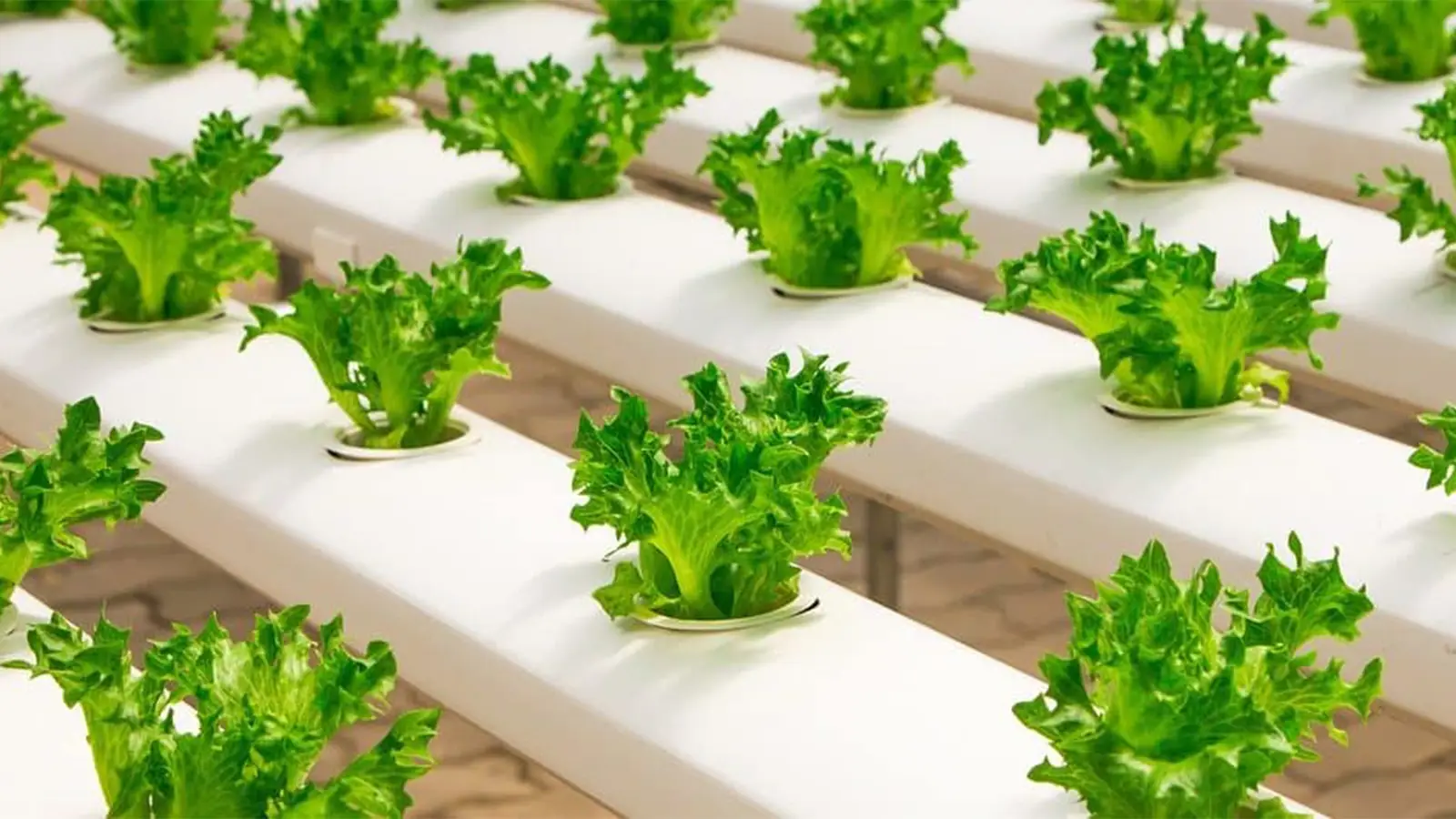
Improve irrigation water quality for greenhouse and soilless farming applications with treatment solutions tailored to agricultural water requirements.
View Details ↗Grey water is wastewater generated from showers, baths, and handwashing basins, collected separately from toilet wastewater. It may contain soap, detergents, organic matter, and microorganisms. Before reuse, grey water must be treated to meet the water quality requirements of its intended application.
Black water refers to wastewater from toilets containing human waste. Grey water, on the other hand, comes from separately collected sources such as showers, baths, and washbasins. Mixing these wastewater streams changes the characteristics of the water to be treated and affects the treatment processes required.
Kitchen and dishwasher wastewater should be evaluated separately from shower and washbasin water due to their grease and food residue content. The suitability of laundry wastewater depends on detergent concentrations, pollutant loads, and system design. The wastewater sources to be collected must be clearly identified during the project planning stage.
When the required water quality standards are met, treated grey water can be reused for toilet and urinal flushing, landscape irrigation, and suitable cleaning applications. Additional water quality and conditioning requirements must be evaluated before using reclaimed grey water in cooling systems. For examples of applications, you can explore the US Environmental Protection Agency (EPA) resources on onsite non-potable water reuse.
The systems described on this page are designed to treat and recycle grey water for non-potable applications. Clear-looking water is not necessarily safe to drink. Reclaimed grey water must be distributed to its intended reuse points through a separate piping network, independent of the potable water supply system.
Rielli uses Membrane Bioreactor (MBR) technology, which combines biological treatment with membrane filtration for grey water recycling. During biological treatment, biodegradable organic compounds are removed, while membrane filtration separates treated water from biological sludge. Disinfection and additional treatment stages are designed according to the intended reuse application. For further technical information, visit our Membrane Bioreactor (MBR) Plants and Modules page.
Grey water recycling systems can be considered for hotels, residential complexes, housing developments, and facilities with regular shower usage. Suitability depends primarily on the balance between the volume of grey water available for collection and the demand for reclaimed water, rather than the building type alone. Both wastewater sources and potential reuse points should be evaluated together.
Yes, provided that the building meets the necessary technical requirements. Shower and washbasin wastewater must be collected separately, a dedicated reclaimed water distribution network must be established, and sufficient space must be available for treatment equipment and storage tanks. The extent of modifications required to the existing plumbing infrastructure will influence the overall investment cost.
Rielli grey water recycling solutions offer the potential to reduce overall building water consumption by up to 40% in suitable projects. Actual savings depend on the number of occupants, occupancy rates, water consumption patterns, and the proportion of treated water that can be reused. The same water-saving percentage cannot be guaranteed for every building.
System capacity is determined by evaluating daily grey water generation alongside water demand for toilet flushing, irrigation, and other reuse applications. Hourly flow variations, building occupancy, and storage requirements are also considered. Rather than calculating capacity solely based on the number of occupants, system sizing should be supported by actual or estimated water consumption data.
Yes. Preliminary treatment equipment, pumps, membranes, and disinfection systems require regular inspection and maintenance. Cleaning and maintenance intervals should be established according to manufacturer recommendations and operating data. Monitoring treated water quality is also an essential part of the system's operation and maintenance program.
The payback period depends on the volume of water reused, water supply and wastewater tariffs, plumbing installation costs, and operating expenses. Electricity consumption, maintenance, and consumable costs must also be included in the calculation. A building-specific water balance assessment and cost analysis are necessary to determine a realistic return on investment (ROI).
You can provide information about your building type, number of occupants or rooms, occupancy rates, and available water consumption records. Existing plumbing plans, available installation space, and intended reclaimed water applications will also help with the project assessment. For a solution tailored to your requirements, please contact our team.
For more information about water treatment systems, technologies, and applications, visit our Frequently Asked Questions (FAQ) page. Find answers to common questions about reverse osmosis, seawater desalination, grey water recycling, wastewater reuse, membrane filtration systems, and industrial process water treatment.
At Rielli, we develop high-efficiency water treatment and recovery systems tailored to a wide range of needs—from industrial facilities and tourism infrastructure to the maritime sector and municipal applications. We provide customized solutions at every stage, from project design and commissioning to technical support and after-sales services.