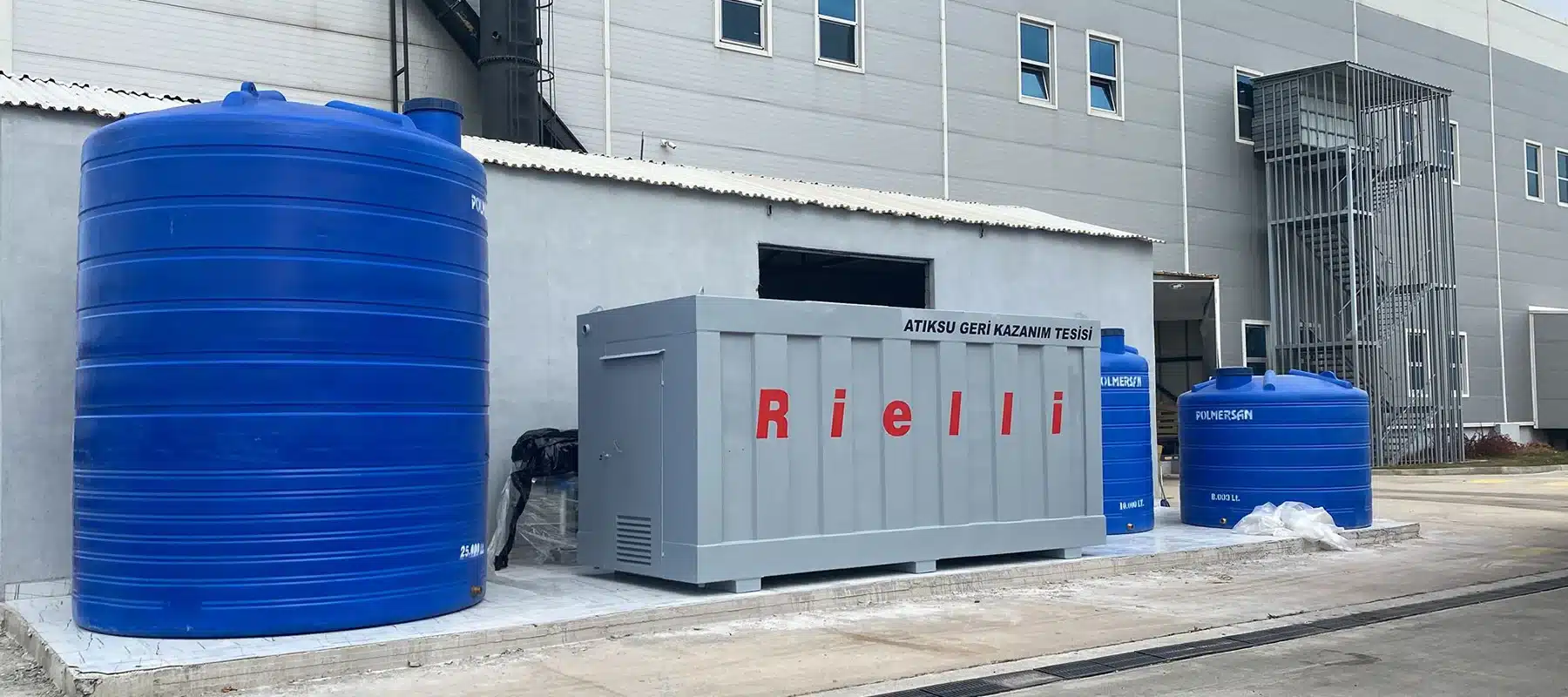
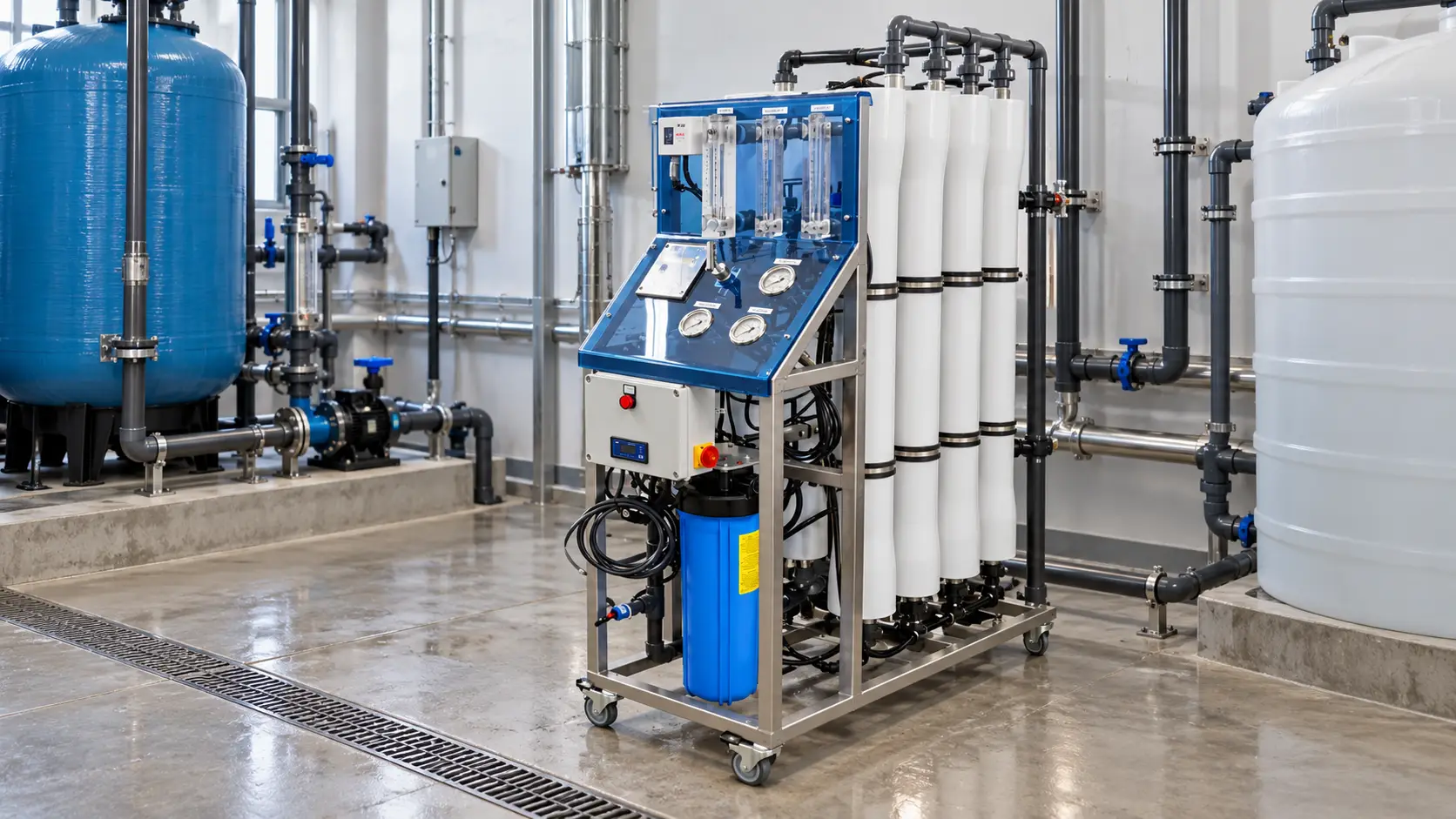
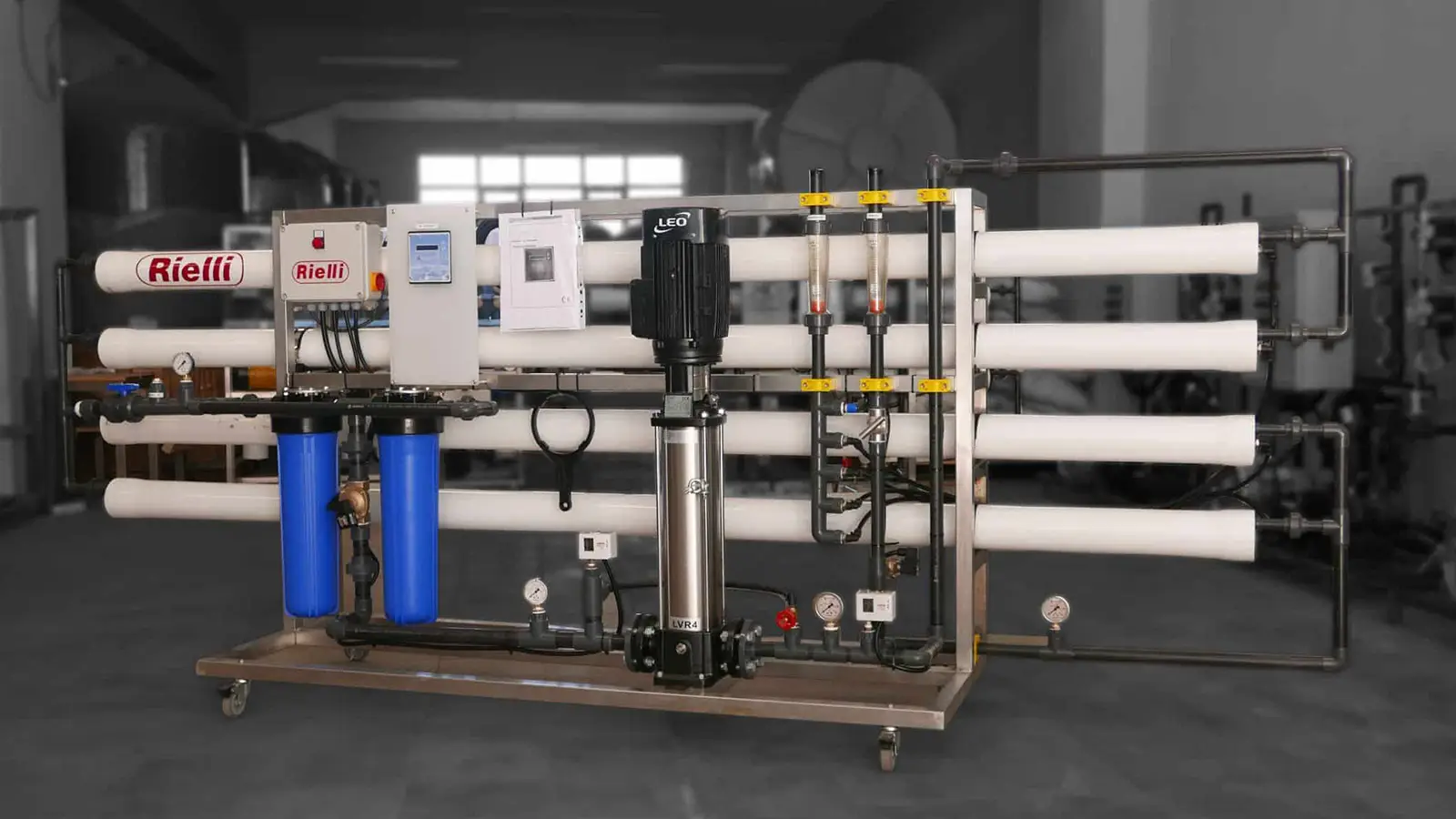
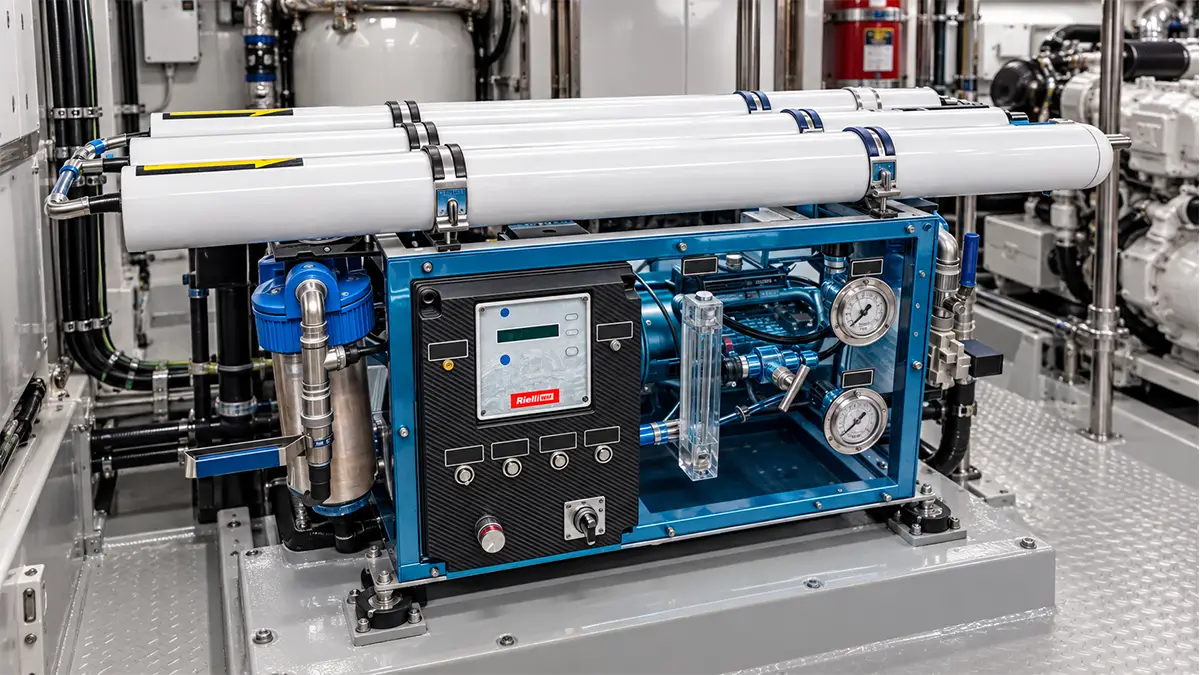
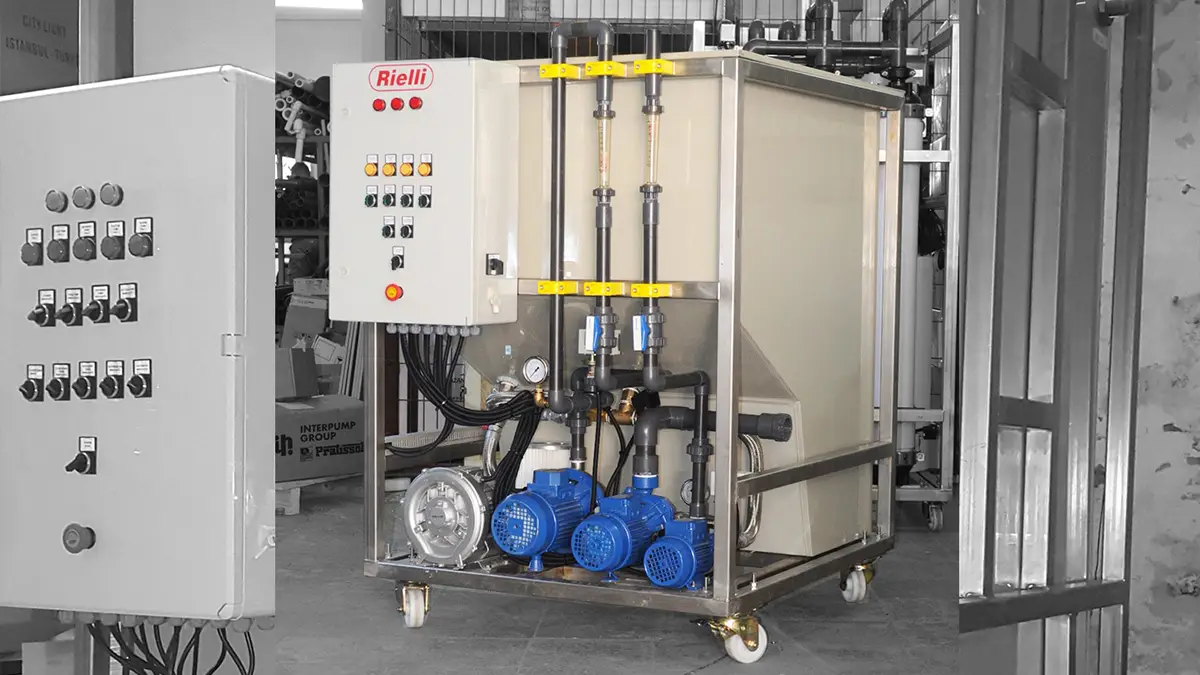
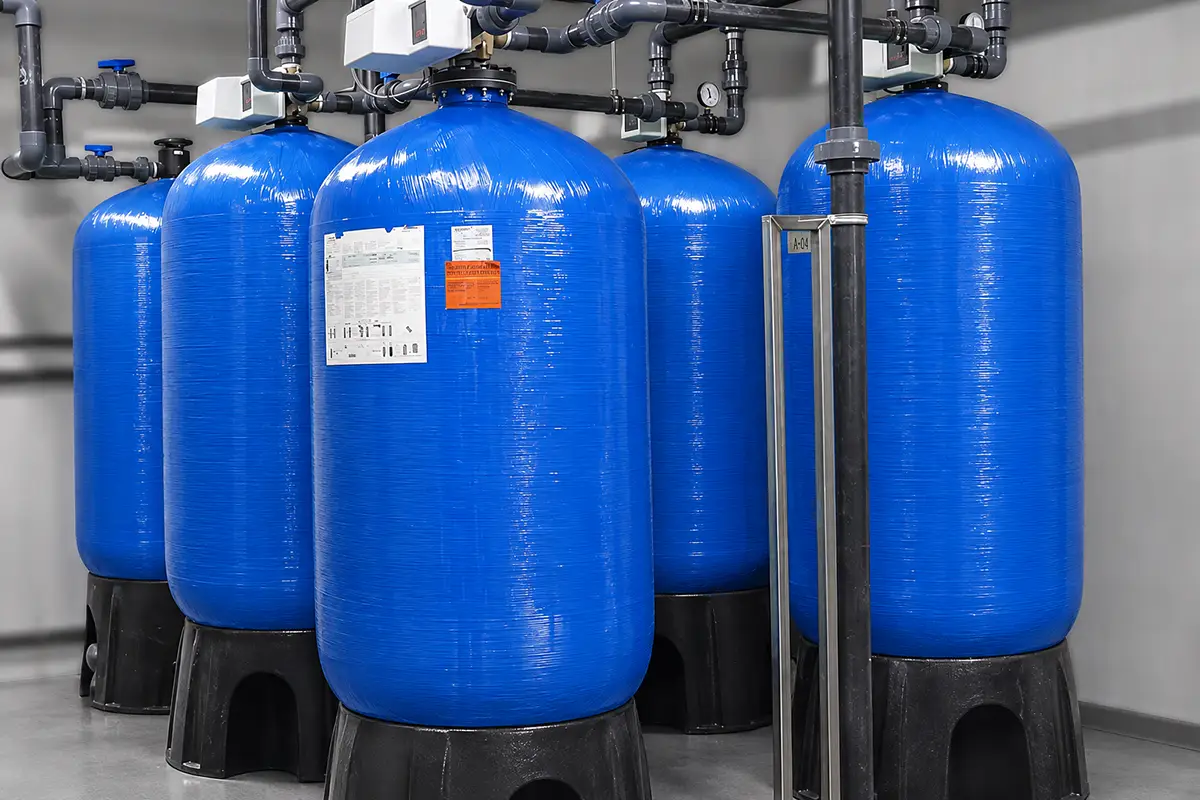
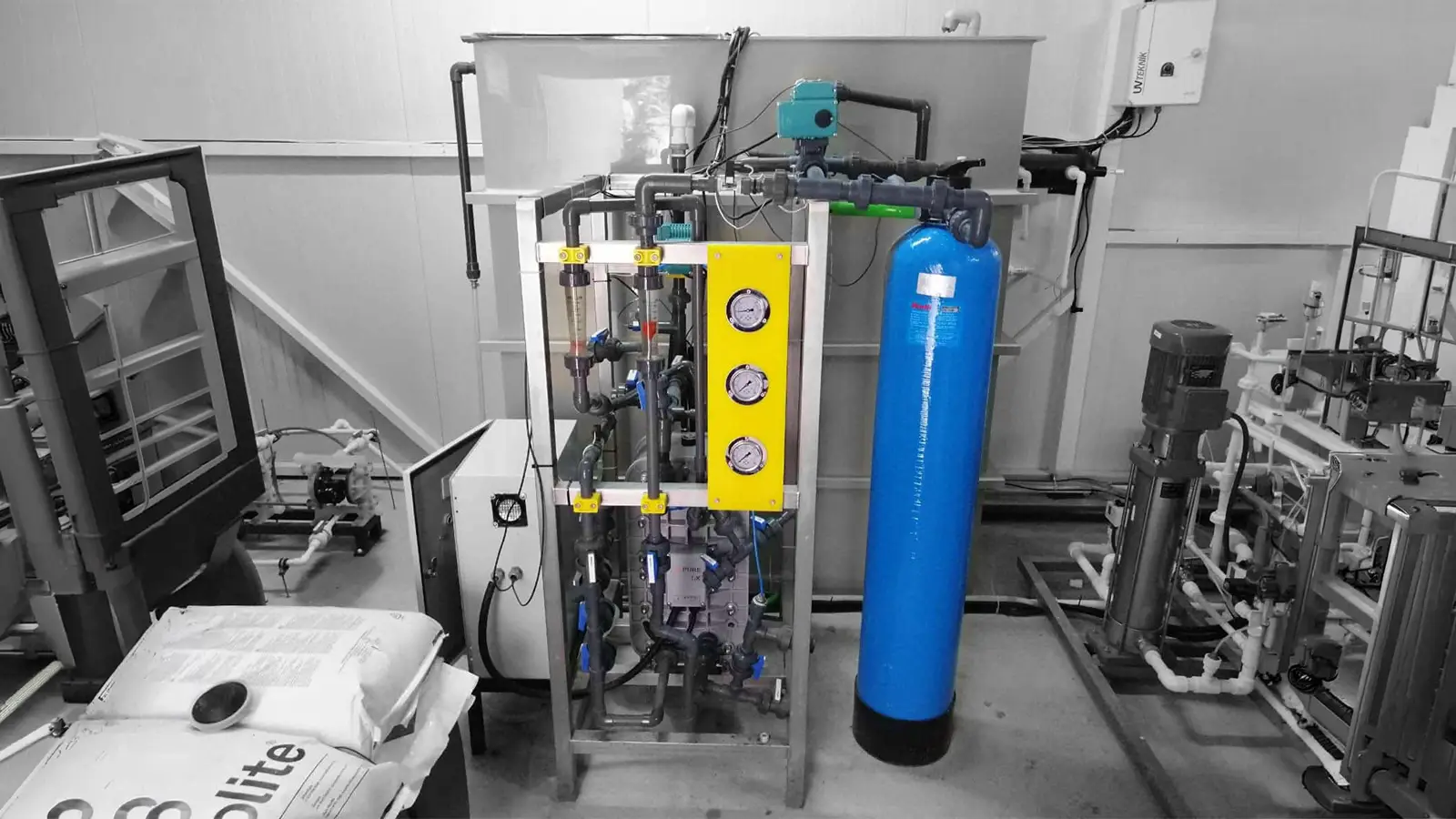
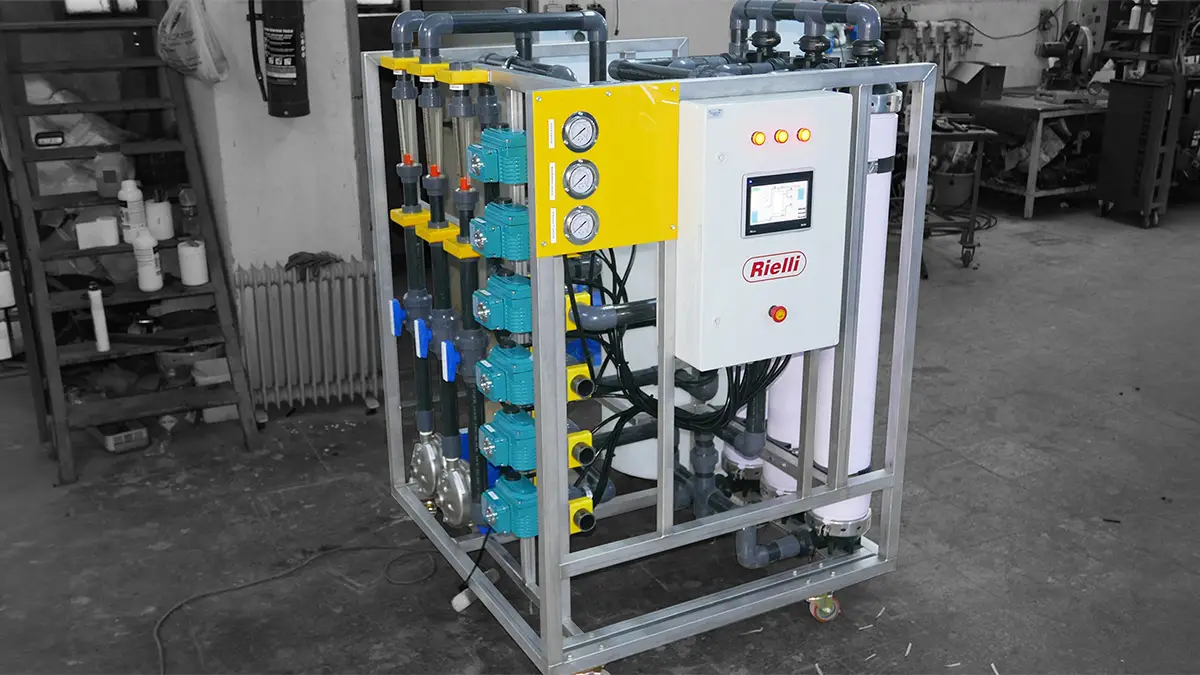
Rielli wastewater recycling and reuse plants treat municipal and industrial wastewater to prepare it for suitable reuse applications. Designed according to wastewater characteristics and required treated water quality, these systems help facilities reduce freshwater demand and manage existing water resources more efficiently.
Each wastewater recycling plant is engineered by evaluating influent water analysis results, required treatment capacity, intended reuse applications, and operating conditions together. Technologies such as biological treatment, membrane filtration, and reverse osmosis can be integrated according to the specific requirements of each project.
What Is a Wastewater Recycling Plant?
A wastewater recycling plant is an integrated system of treatment equipment and processes designed to convert previously used water into treated water that meets the quality requirements of a defined reuse application.
It may be installed as a new wastewater treatment facility or designed as an advanced treatment system that further processes the effluent from an existing wastewater treatment plant.
The required treatment level depends on the intended use of the reclaimed water. Cooling water, industrial washing water, and manufacturing process water do not necessarily have the same quality requirements.
Therefore, both the wastewater source and the intended reuse application should be clearly identified during the initial design stage.
For more information about our engineering approach, explore Rielli’s Wastewater Recycling and Process Water Production Solutions page.
How Do Wastewater Recycling Plants Work?
The treatment process depends on the wastewater’s contaminant load and the facility’s existing treatment infrastructure.
Depending on project requirements, a wastewater recycling and reuse system may include the following treatment stages.
Pretreatment and Equalization
Coarse solids, oils, and other contaminants that may interfere with treatment performance are reduced through appropriate pretreatment processes.
Equalization helps manage variations in wastewater flow rates and contaminant loads, supporting more stable operation of downstream treatment units.
For industrial wastewater applications, additional processes such as pH adjustment and physicochemical treatment may be required.
Evaluating wastewater streams with different characteristics separately also helps identify suitable sources for water recovery and reuse.
Biological Treatment and MBR Technology
Biodegradable organic contaminants are reduced through biological treatment using microorganisms.
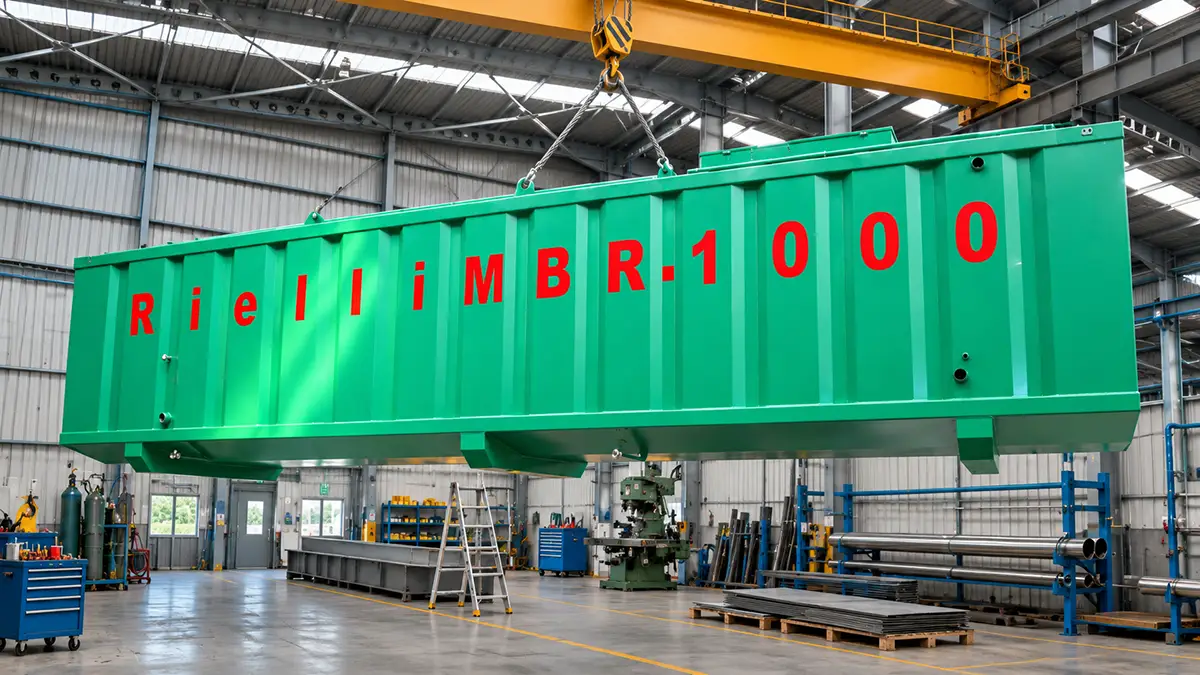
Membrane Bioreactor (MBR) technology combines biological wastewater treatment with membrane separation, allowing treated water to be separated from biological sludge.
In suitable projects, MBR systems can produce treated effluent for subsequent advanced treatment stages.
Learn more about this technology on our Membrane Bioreactor (MBR) Plants and Modules page.
Ultrafiltration and Advanced Filtration
When treated effluent from an existing wastewater treatment plant is considered for reuse, ultrafiltration or other filtration technologies may be incorporated according to the water characteristics.
Ultrafiltration (UF) helps reduce suspended solids and colloidal particles, improving water clarity and supporting downstream treatment processes.
However, additional treatment technologies are required when dissolved salt removal is necessary.
Explore the available equipment on our Ultrafiltration (UF) Units and Modules page.
Process Water Production Using Reverse Osmosis
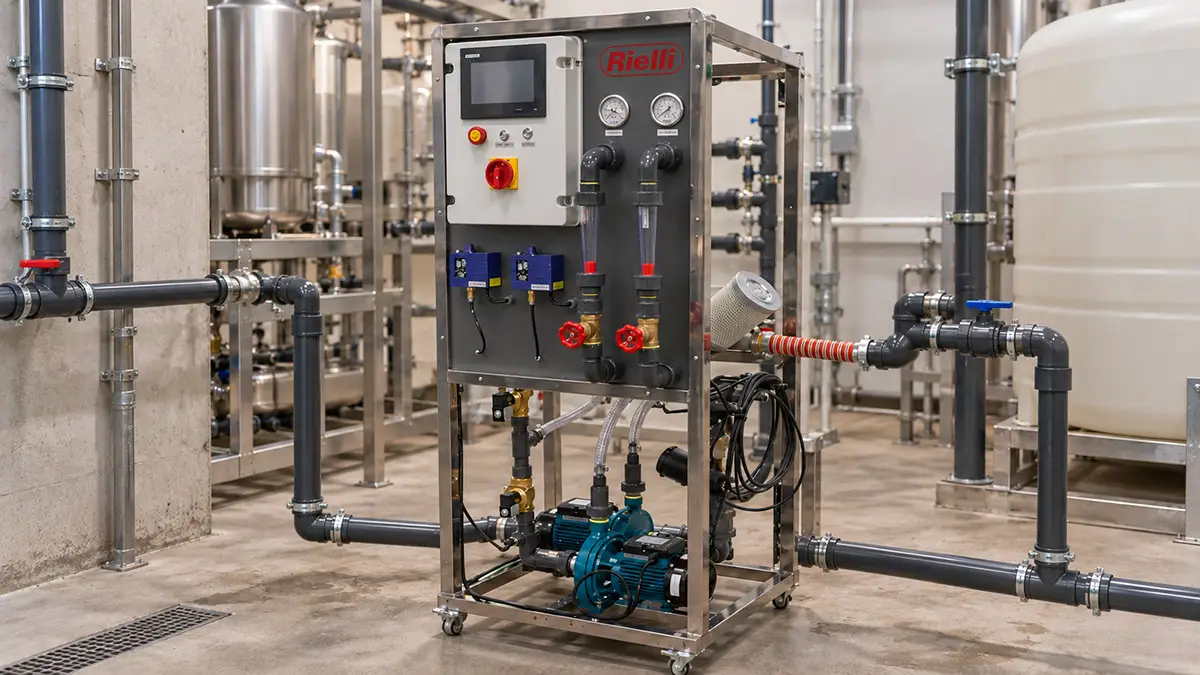
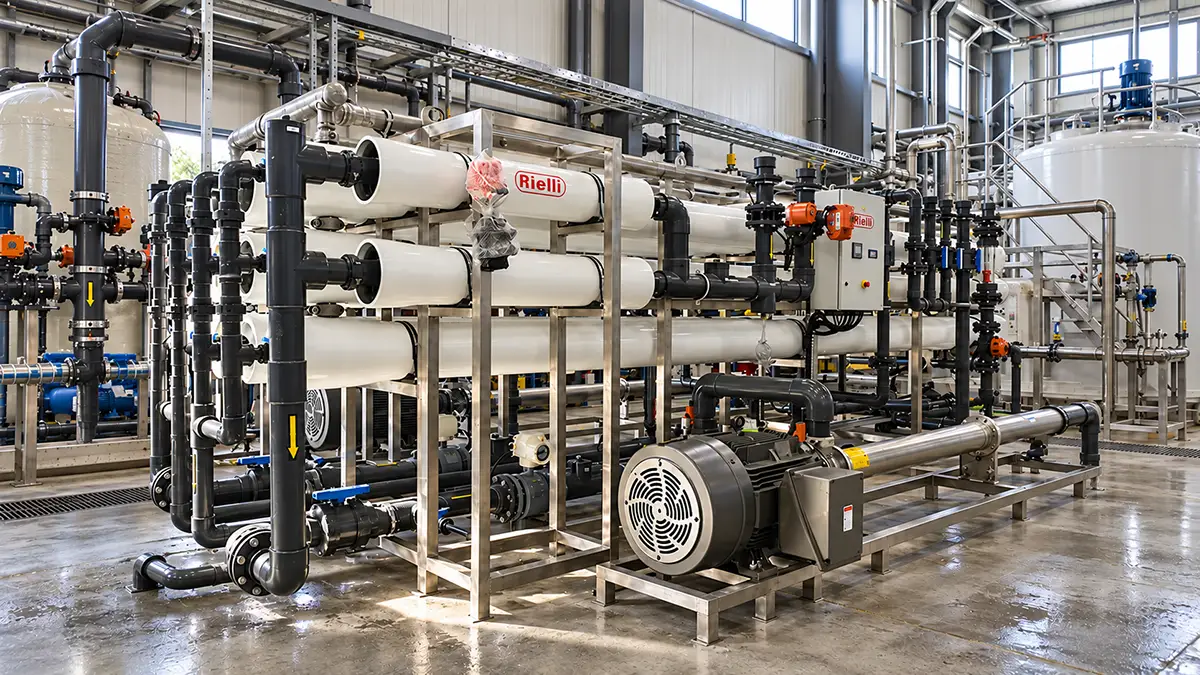
Reverse osmosis (RO) can be evaluated for wastewater recycling applications requiring low conductivity or reduced dissolved salt concentrations.
Appropriately pretreated wastewater is passed through reverse osmosis membranes under pressure, separating it into a treated product water stream and a concentrated reject stream.
Membrane selection, operating pressure, and water recovery rate are determined according to feedwater analysis results and the required product water quality.
For further information, visit our Industrial Reverse Osmosis (RO) Plants page.
Post-Treatment, Storage and Distribution
Depending on its intended reuse application, reclaimed water may undergo additional treatment processes, including disinfection or other water conditioning stages.
Storage and distribution systems should also be designed to maintain the required water quality until the reclaimed water reaches its intended point of use.
Where Can Reclaimed Wastewater Be Used?
When the appropriate water quality requirements are achieved, reclaimed wastewater may be used for various industrial and non-potable applications.
Potential applications include:
- Industrial manufacturing processes.
- Cooling water systems.
- Suitable industrial washing and rinsing operations.
- Boiler feedwater preparation following additional treatment and conditioning.
- Landscape irrigation, provided that applicable water quality and usage requirements are met.
Chemical and microbiological requirements must be established separately for each intended application.
For additional information about industrial water reuse opportunities, explore the U.S. Environmental Protection Agency’s Industrial Water Reuse Resources.
How Does Rielli Design Wastewater Recycling Plants?
Rielli evaluates the wastewater streams generated within a facility alongside the potential applications of reclaimed water.
The engineering process considers not only treatment capacity but also the technical feasibility, operating requirements, and economic suitability of the proposed system.
Key design considerations include:
- Wastewater flow rates, analysis results, and seasonal or operational variations.
- Required product water quality and daily reuse demand.
- Performance of existing wastewater treatment facilities and opportunities for system integration.
- Available installation space, storage tank capacities, and maintenance accessibility.
- Energy consumption, chemical requirements, consumables, and maintenance costs.
- Automation, monitoring, and spare parts requirements.
- Management of sludge, concentrate, and other residual streams.
This project-specific approach supports the selection of an appropriate treatment capacity and combination of technologies according to the facility’s operational requirements.
Benefits of Wastewater Recycling for Industrial Facilities
A properly designed industrial wastewater recycling plant can help reduce freshwater consumption and the volume of treated wastewater discharged from a facility.
By creating an alternative water source within the operation, wastewater reuse can also support water supply reliability and more efficient resource management.
However, actual water savings and investment payback periods depend on several factors, including water costs, achievable recovery rates, operating hours, and treatment system expenses.
Economic feasibility should therefore be evaluated using the facility’s actual water consumption, wastewater characteristics, and operating data rather than assuming a fixed savings percentage or return on investment.
Request a Quote for Your Wastewater Recycling Project
Transform your facility’s wastewater into a potential reusable water resource by evaluating suitable treatment capacities and process configurations with Rielli’s engineering team.
Share your daily wastewater volume, available water analysis results, and intended reclaimed water applications to receive a project-specific technical assessment.
Request a Quote for a Wastewater Recycling Plant →