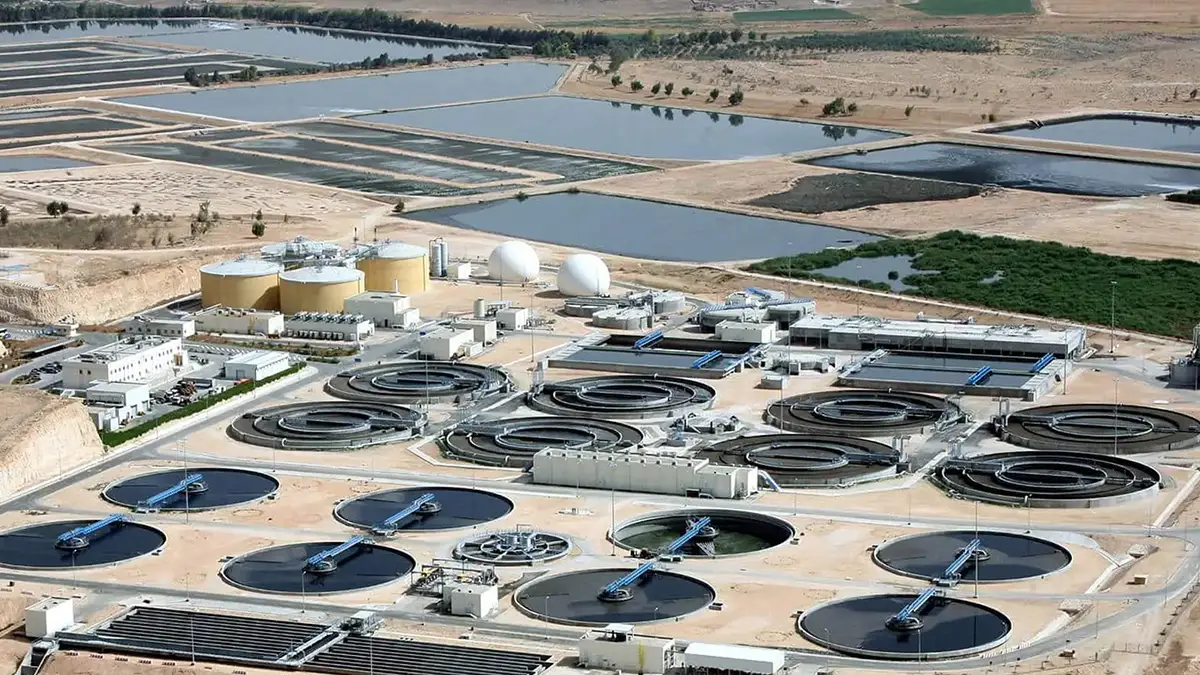
Municipal wastewater treatment projects must consider not only the needs of the current population but also future wastewater flow rates, service continuity, and available operational resources. For facilities designed to support water reuse, the intended applications of treated effluent should be defined from the earliest planning stages. Rielli offers a range of wastewater treatment and recycling technologies that can be evaluated for new municipal treatment plants and capacity upgrade projects.
Not every project requires the same combination or sequence of treatment technologies. Population size, existing infrastructure, influent wastewater characteristics, and the capabilities of the operating team all influence system selection. Alongside technical performance objectives, establishing sustainable maintenance and monitoring procedures is essential for reliable long-term operation.
Define the Intended Use of Treated Wastewater from the Beginning
The U.S. Environmental Protection Agency’s Basic Information About Water Reuse explains that different water sources and reuse applications require different treatment and monitoring approaches.
For example, reclaimed water intended for landscape irrigation may have different quality requirements from water used in an industrial manufacturing process. The treatment system should therefore be designed according to the specific conditions and water quality standards of its intended application.
For municipalities, potential water reuse applications may include landscape irrigation, public parks, and green spaces, provided that the required treated water quality is achieved.
The EPA’s Water Reuse for Landscaping Resources provide additional information on these applications and the factors that should be considered during project planning.
Local regulatory requirements, potential human exposure, distribution infrastructure, and seasonal variations in water demand must also be evaluated before implementing a municipal water reuse project.
Rielli Wastewater Treatment Technologies for Municipal Infrastructure Projects
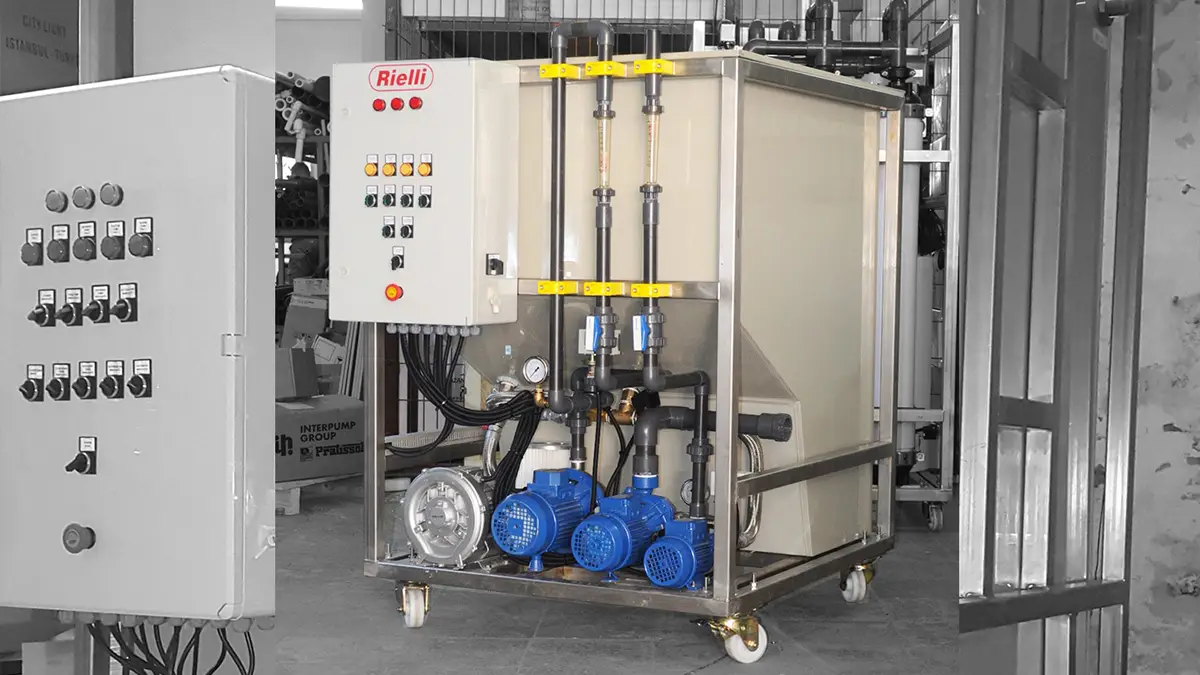
Rielli offers municipal wastewater treatment and water recycling technologies suitable for projects involving new treatment facilities, infrastructure improvements, and treated wastewater reuse.
Wastewater Recycling & Reuse Plants can be designed to prepare treated wastewater for clearly defined reuse applications. In addition to the required treatment performance, water storage, distribution infrastructure, and any necessary post-treatment processes should be determined according to the project scope.
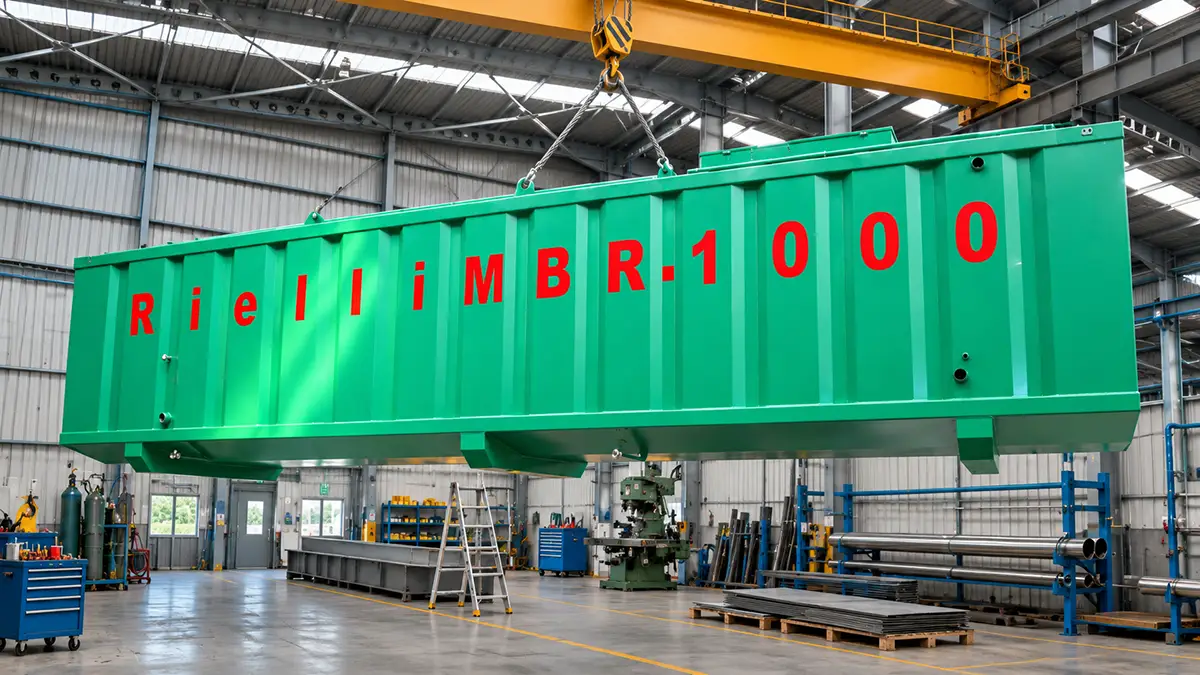
Membrane Bioreactor (MBR) Plants & Modules provide an option for municipal wastewater treatment projects combining biological treatment with membrane separation. Membrane area, operating conditions, system redundancy, and maintenance accessibility should be evaluated together during the design process.
MBBR Moving Bed Biofilm Reactor Systems can be considered for biofilm-based biological wastewater treatment and upgrades to existing treatment plants. Biofilm carrier selection and any required downstream solids separation stages should be assessed according to the targeted effluent quality.
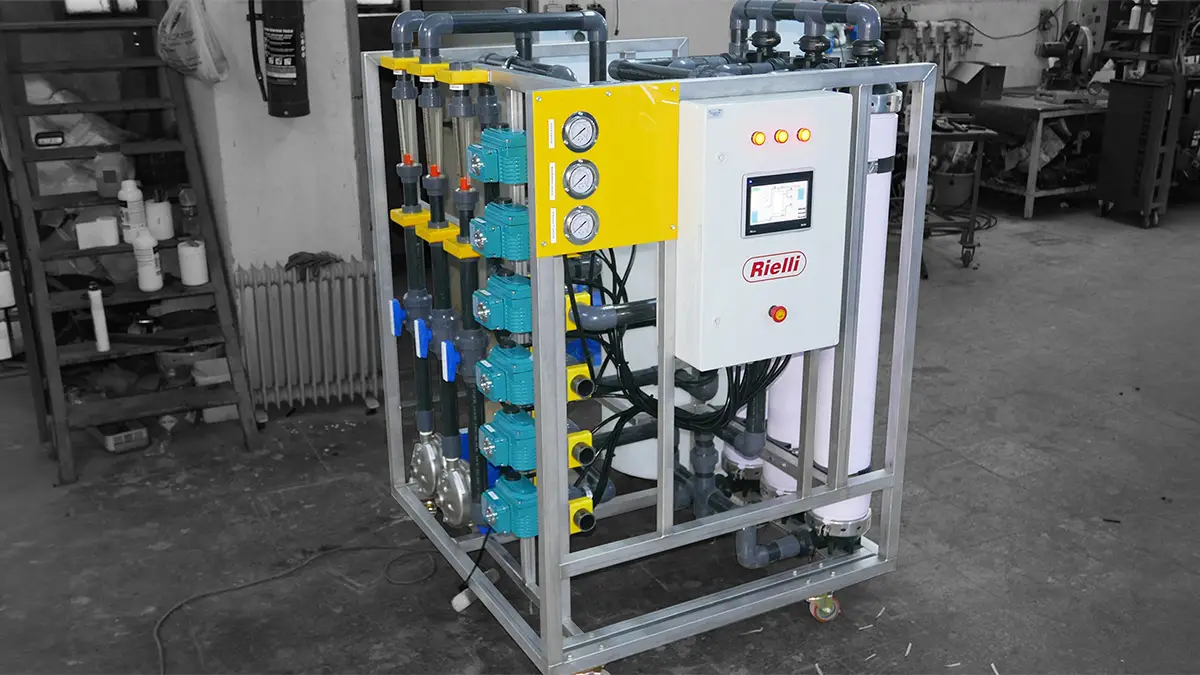
Ultrafiltration (UF) Units & Modules can be integrated into treatment processes requiring particle removal and advanced membrane filtration. However, ultrafiltration should not automatically be regarded as a replacement for all biological treatment, dissolved substance removal, or disinfection requirements.
Operational Reliability Is as Important as Treatment Capacity
Designing an effective municipal wastewater treatment plant requires a comprehensive assessment of hydraulic capacity, wastewater characteristics, available infrastructure, and long-term operating requirements.
Average daily and peak wastewater flow rates, influent water quality analyses, existing process flow diagrams, available installation space, and target effluent quality parameters form the basis of a preliminary project evaluation.
Where wastewater loads fluctuate during rainy periods or tourism seasons, these variations should be documented and incorporated into the system design.
The intended use of reclaimed water, required storage capacity, and distance to distribution points can also significantly influence project investment requirements.
When treated water production and consumption schedules do not align, increasing treatment capacity alone may not provide an effective solution. Storage and distribution requirements must be evaluated as part of the overall water reuse strategy.
Operating costs associated with personnel, energy consumption, standby equipment, consumables, maintenance, and residual waste management should also be considered during project planning.
Ultimately, the success of a municipal wastewater treatment project should be evaluated not by the number of installed treatment units but by its ability to consistently achieve the required effluent quality and maintain reliable performance under actual operating conditions.
For existing facilities, sharing historical treatment performance data during the technical assessment can help identify suitable capacity improvements and process optimization opportunities.
Let's Evaluate Your Municipal Water Infrastructure Project