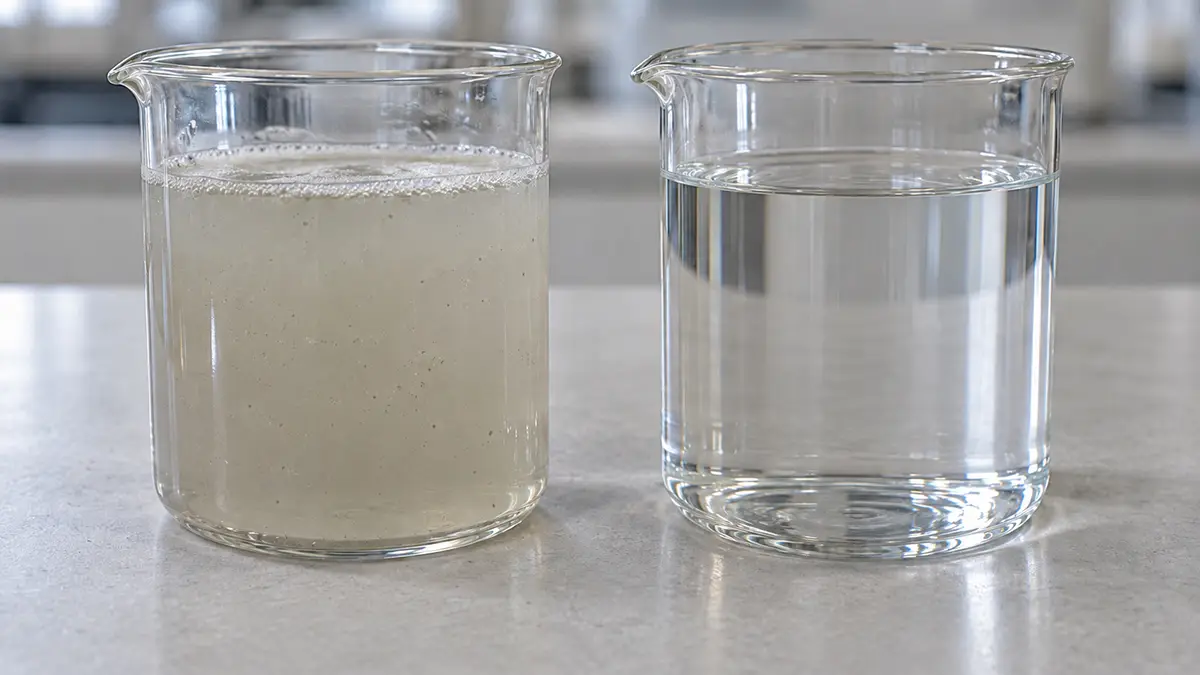
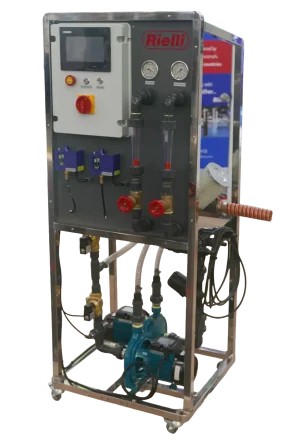
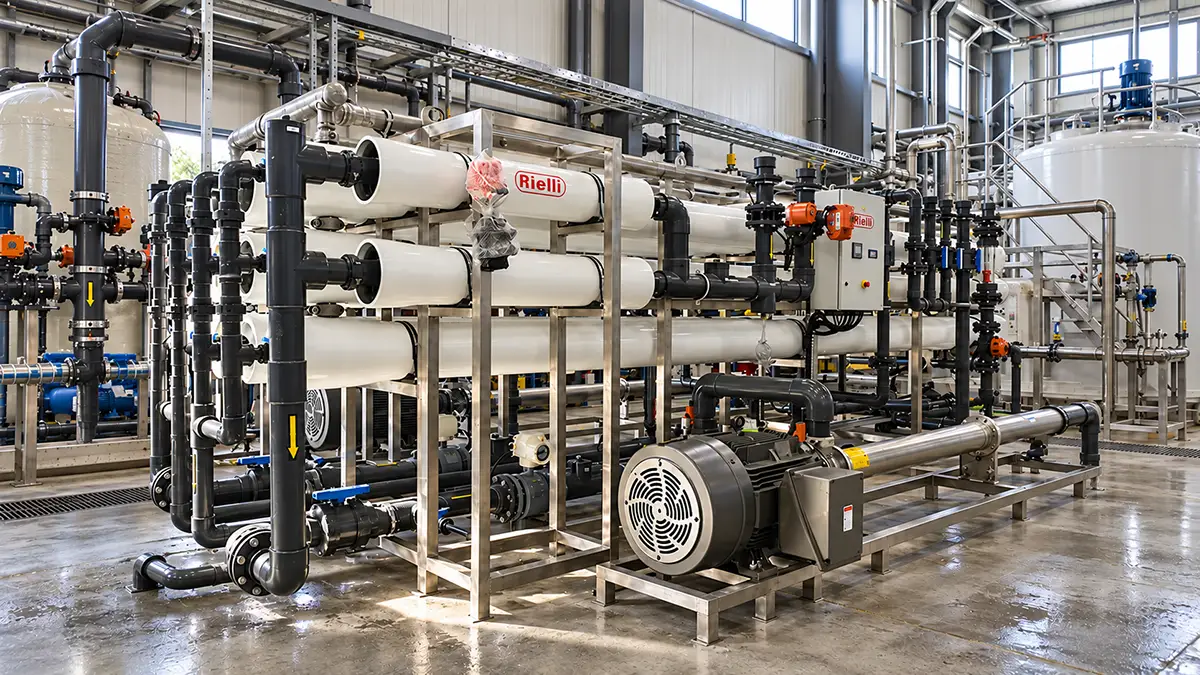
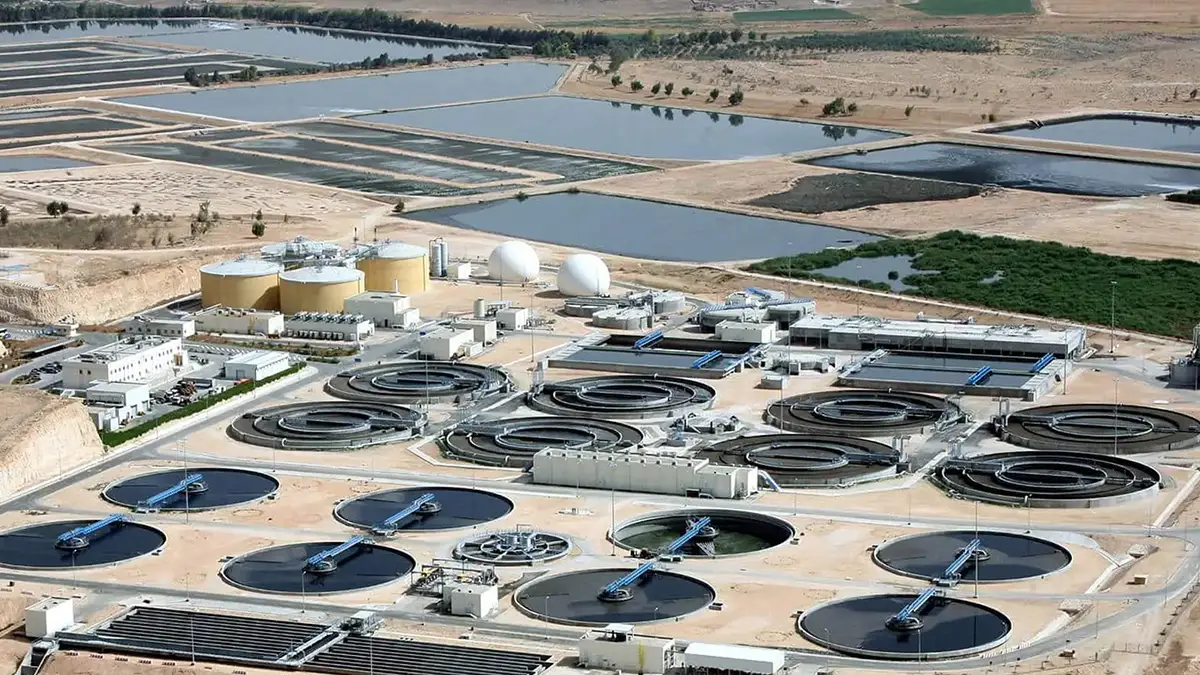
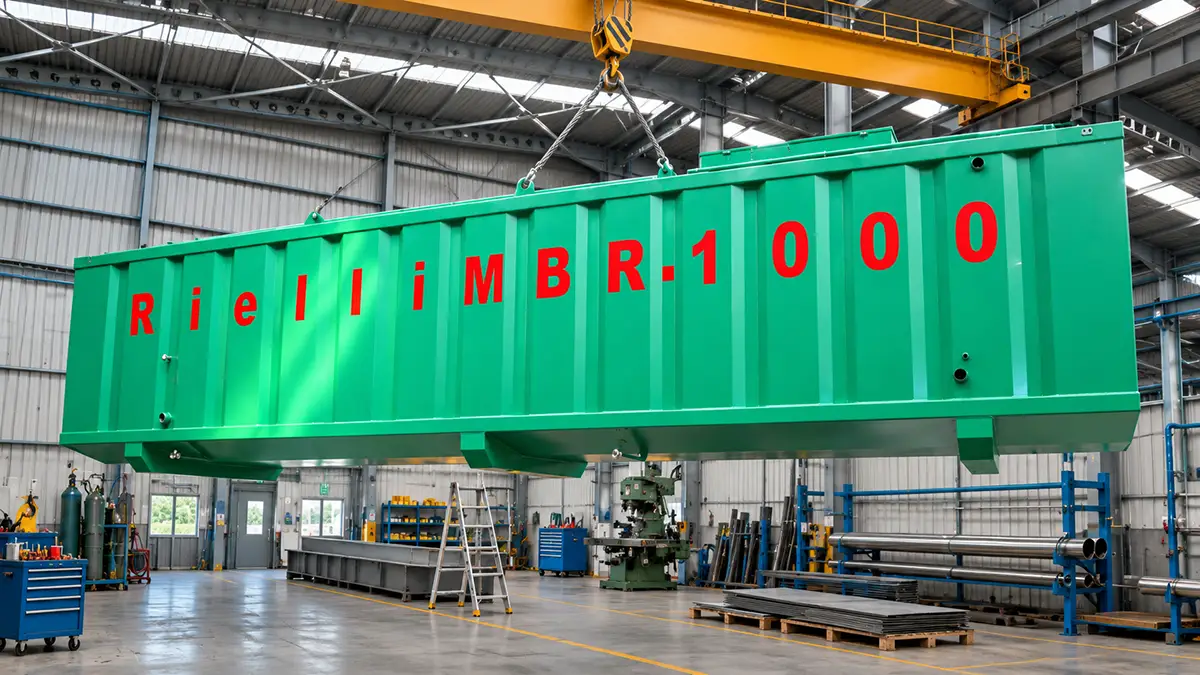
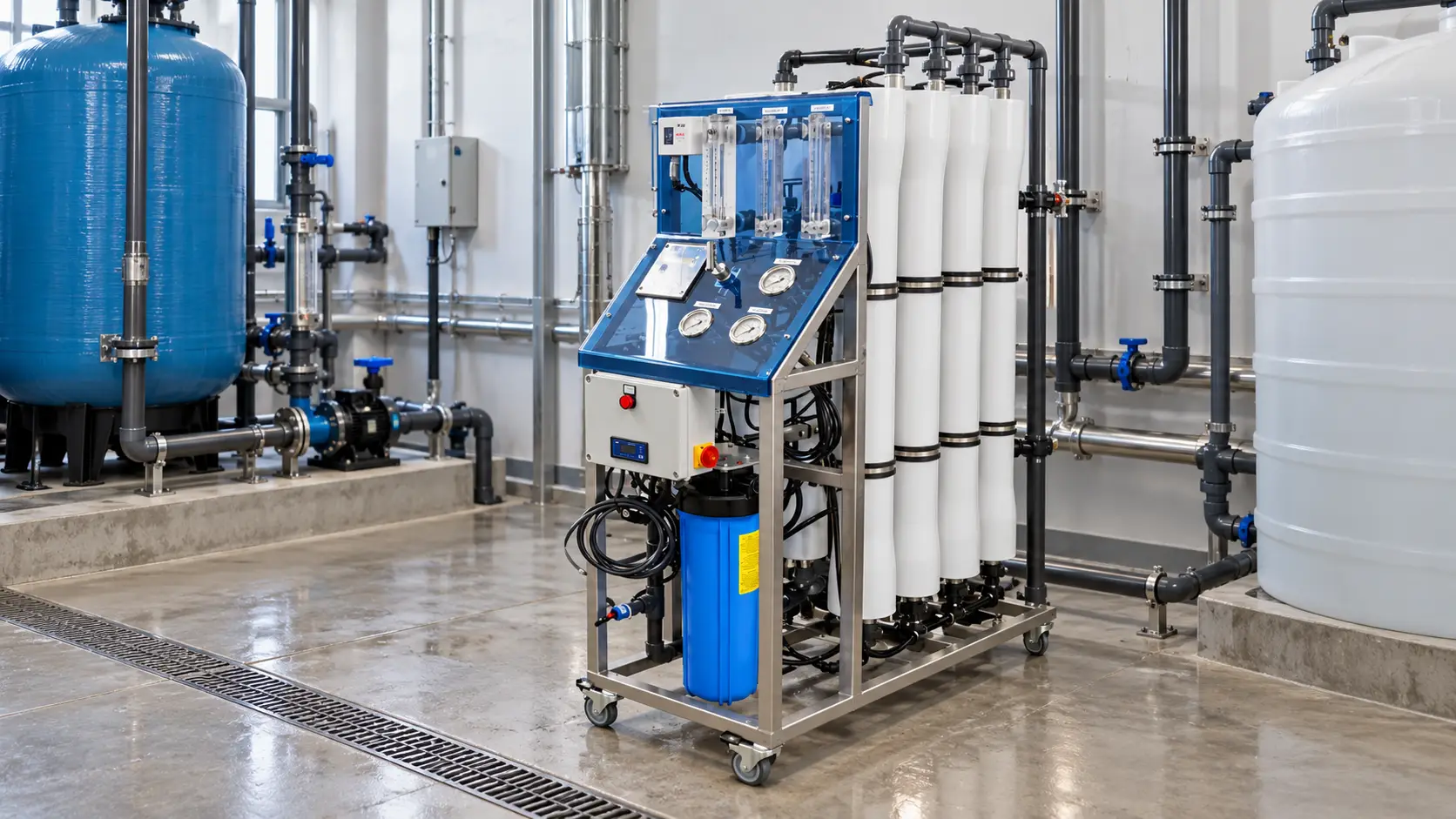
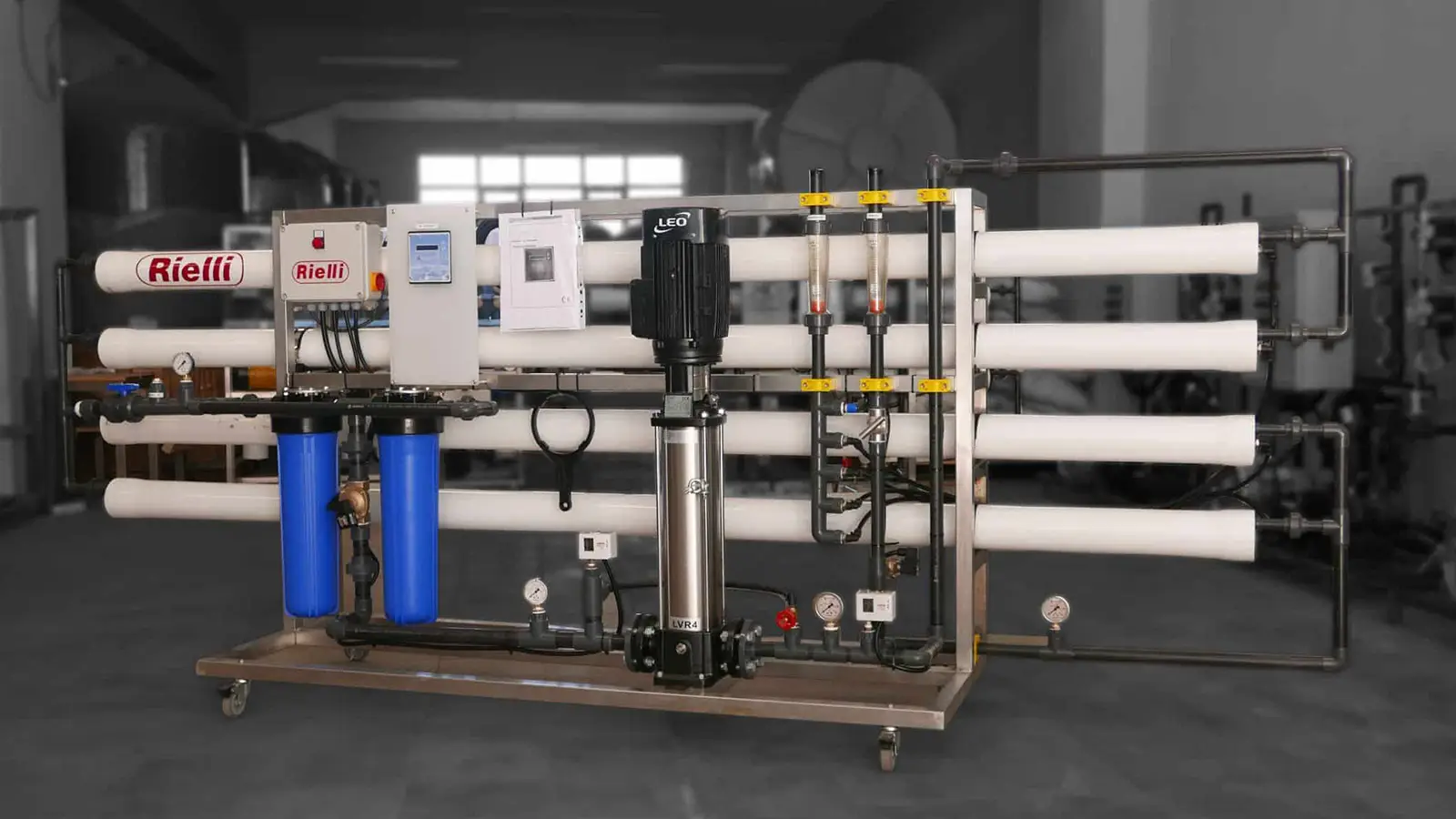
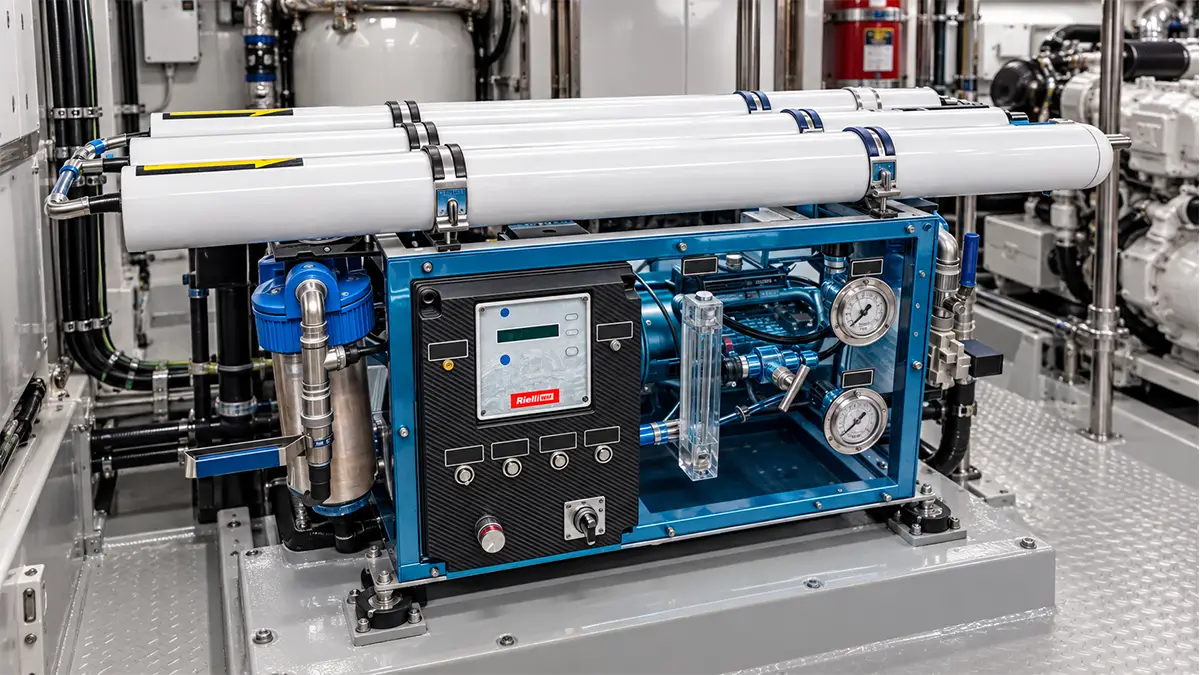
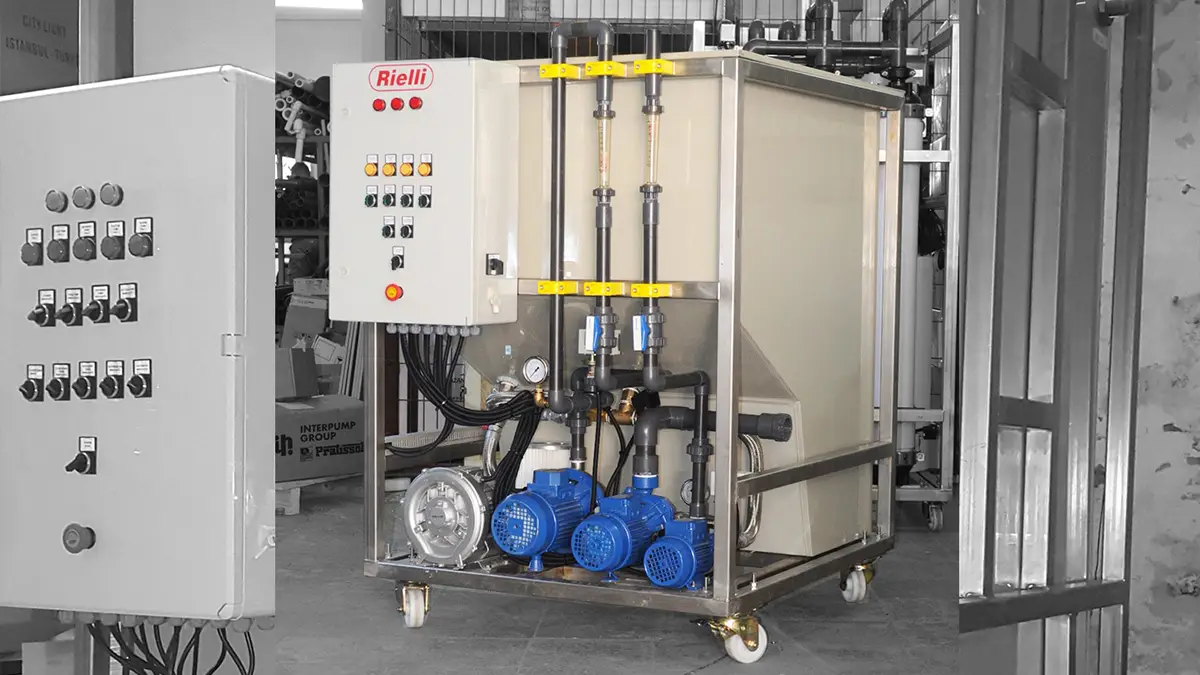
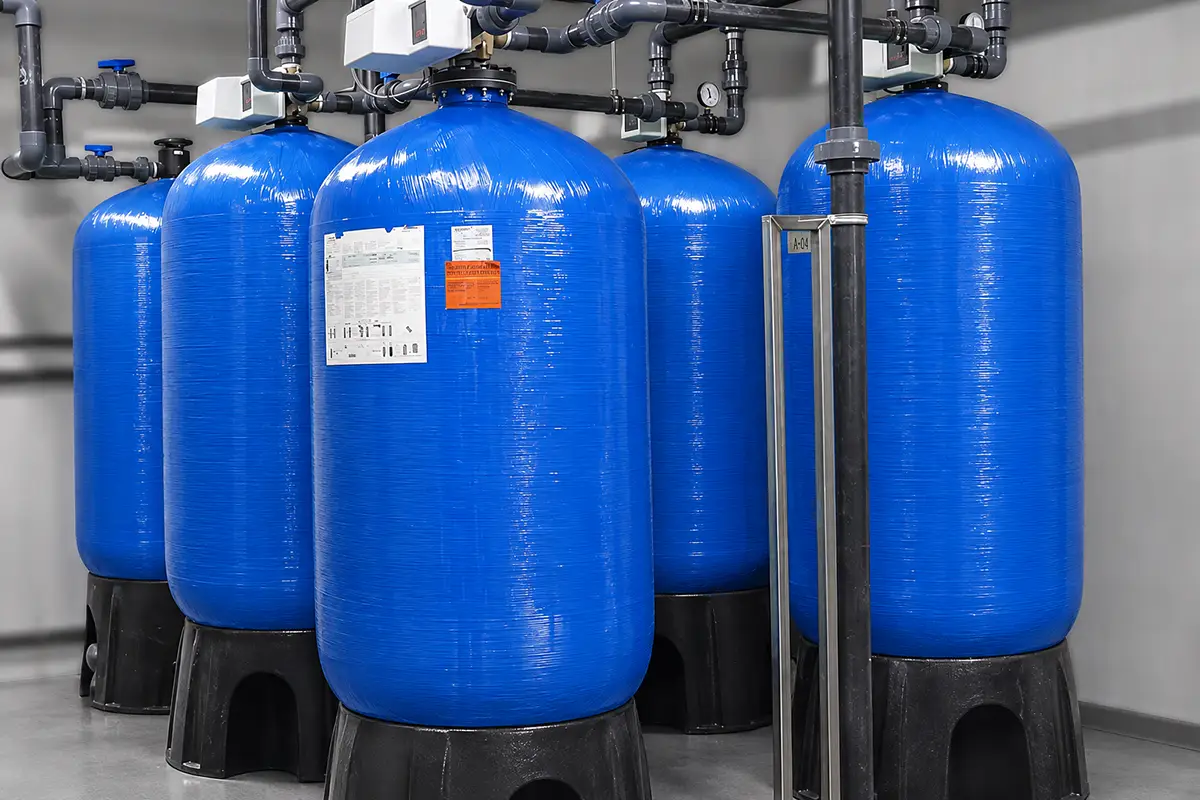
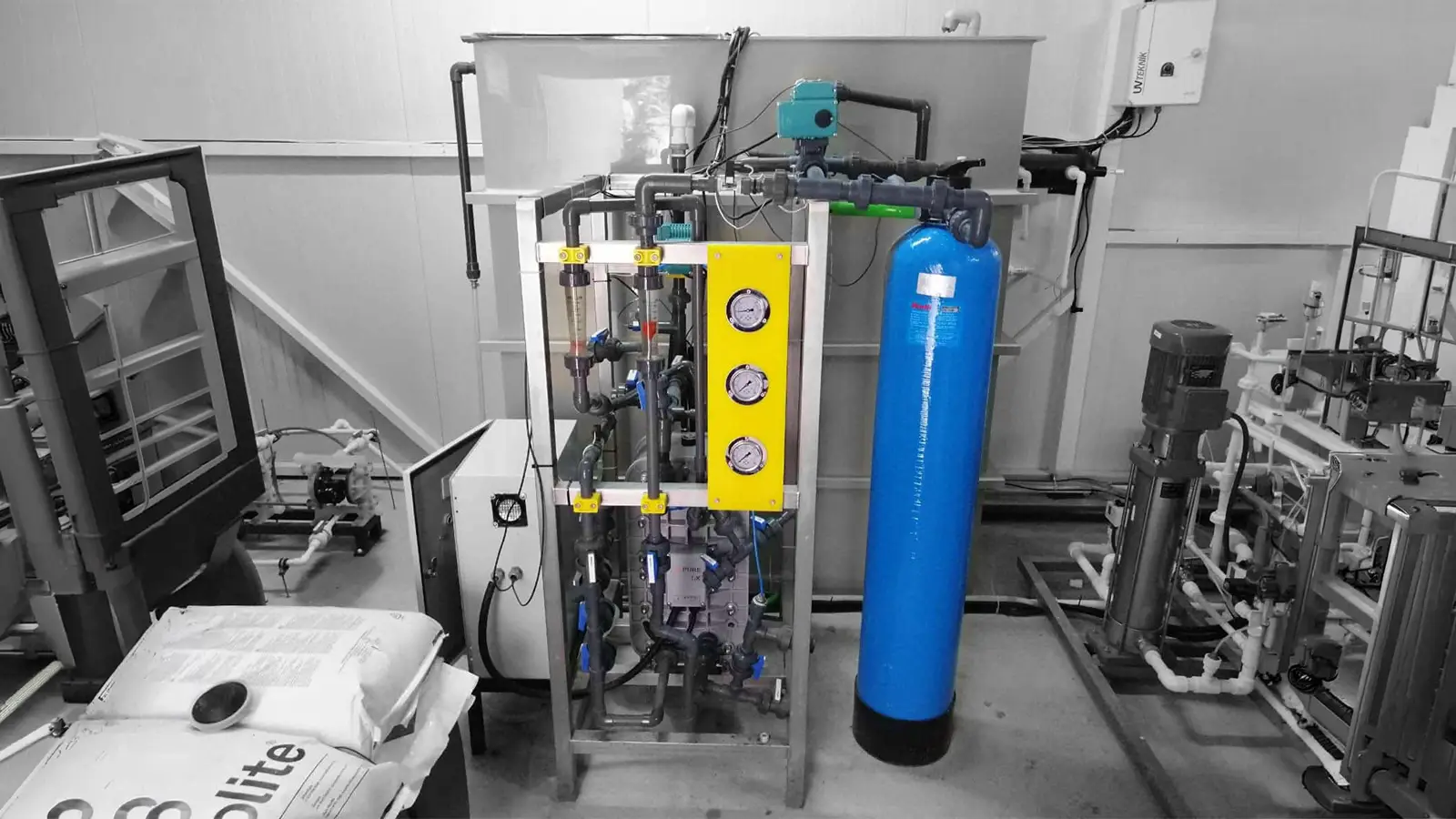
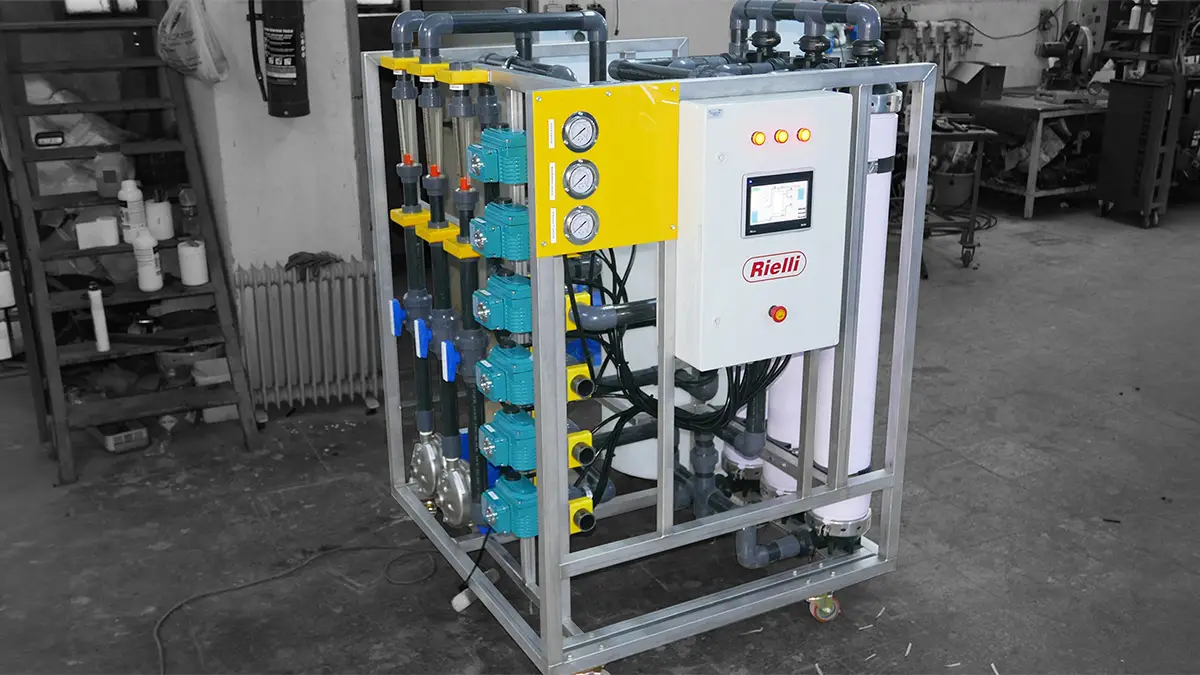
Rielli greywater treatment and recycling systems treat separately collected water from showers, bathtubs, and handwashing basins, preparing it for suitable reuse applications. Designed according to project capacity, influent water characteristics, and intended reuse requirements, these systems help facilities manage water resources more efficiently.
Suitable for a range of buildings, from hotels and residential developments to commercial facilities, Rielli greywater treatment plants combine biological treatment, membrane filtration, and application-specific disinfection processes to support reliable non-potable water reuse.
What Is a Greywater Treatment System?
A greywater treatment system consists of equipment and treatment processes designed to remove contaminants from greywater collected separately from toilet wastewater.
Depending on the selected treatment technology, substances such as soaps, detergents, organic matter, and suspended solids are reduced to prepare the water for its intended reuse application.
For treated greywater to be reused in applications such as toilet flushing or landscape irrigation, it must meet the relevant water quality requirements.
For more information about potential reuse applications and water conservation strategies, explore our Greywater Recycling and Recovery Solutions page.
How Do Rielli Greywater Treatment Plants Work?
The treatment process is designed according to the volume and contaminant load of the collected greywater. In a membrane bioreactor (MBR) based greywater treatment system, the main treatment stages generally include the following:
Pretreatment and Equalization
Greywater collected through a dedicated plumbing network undergoes pretreatment to remove coarse materials such as hair, fibers, and other debris.
An equalization tank helps manage fluctuations in water flow throughout the day, supporting more stable operation of subsequent treatment stages.
Biological Treatment
Biodegradable organic substances present in greywater are broken down by microorganisms during biological treatment.
This process reduces the organic load of the water and prepares it for further treatment.
Membrane Filtration
In an MBR process, membranes separate treated water from biological sludge and retain suspended solids.
This technology combines biological wastewater treatment with membrane filtration to produce treated effluent suitable for further treatment and potential reuse.
Learn more about this technology on our Membrane Bioreactor (MBR) Plants and Modules page.
Disinfection and Storage
Following the appropriate disinfection process for the intended application, treated greywater is stored and delivered to designated reuse points through a separate distribution network.
Storage conditions, water quality monitoring, and the prevention of cross-connections with potable water systems are important considerations in the overall system design.
MBR and Ultrafiltration Technologies in Greywater Treatment
Rielli uses membrane bioreactor (MBR) technology to combine biological treatment with membrane filtration in greywater treatment applications.
This approach supports the reduction of biodegradable organic matter and the production of treated water with low suspended solids concentrations.
For projects where influent characteristics and required effluent quality are suitable, ultrafiltration (UF) based treatment alternatives may also be evaluated.
However, the suitability of ultrafiltration as a standalone treatment process must be carefully assessed, particularly regarding dissolved organic compounds that may not be effectively removed by UF membranes.
Where necessary, additional biological treatment, filtration, or disinfection stages should be incorporated into the overall treatment process.
Explore the available equipment on our Ultrafiltration (UF) Units and Modules page.
What Should Be Considered When Selecting a Greywater Treatment System?
The following factors should be evaluated together during project planning:
- Daily greywater volume and peak hourly flow rates.
- Influent water characteristics, contaminant loads, and collection sources.
- Intended applications and required volumes of treated water.
- Storage tank capacity, available installation space, and existing plumbing infrastructure.
- Energy consumption, maintenance requirements, and operating conditions.
The importance of evaluating water sources alongside intended reuse applications is also addressed in the U.S. Environmental Protection Agency’s Onsite Non-Potable Water Reuse Research.
A project-specific assessment helps determine the treatment process, equipment capacity, and infrastructure required to support consistent water quality.
Where Are Greywater Treatment Systems Used?
Greywater treatment and recycling systems can be implemented in buildings where suitable greywater sources can be collected separately.
Potential applications include hotels, resorts, residential developments, apartment complexes, student dormitories, sports facilities, and commercial buildings.
For existing buildings, installation feasibility must be evaluated according to the available plumbing infrastructure, technical space, and potential modifications required for separate greywater collection and reclaimed water distribution.
Rielli greywater treatment systems provide the treatment infrastructure required for water recycling through project-specific process selection and compact equipment configurations.
Actual water savings depend on the volume of greywater that can be collected, the amount of treated water available, and the extent to which reclaimed water can be used for suitable non-potable applications.
Request a Quote for Your Greywater Treatment Project
Whether you are planning a new building or upgrading an existing facility, Rielli’s engineering team can help evaluate the appropriate treatment capacity, process configuration, and installation requirements.
Share your daily greywater volume, intended reuse applications, and project specifications to contact Rielli and request a customized greywater treatment proposal.