The quality of water required for dyeing, washing, and textile finishing processes is the starting point for any water treatment investment. Water treatment in the textile industry should address not only the preparation of incoming process water but also the conditions under which wastewater generated during production can be treated and reused. Rielli’s industrial water treatment technologies can be integrated into different treatment stages of projects designed to meet both requirements.
The water quality requirements of a textile dyeing facility’s rinsing processes differ from those of its auxiliary operations. Rather than designing an entire facility around a single water quality standard, it is more effective to identify the specific requirements of each water consumption point. The objective is to establish a reliable and manageable water treatment and reuse strategy that meets production quality standards while supporting efficient water resource management.
Key Water Treatment Requirements in Textile Dyeing and Finishing Processes
When evaluating textile industry water treatment requirements, essential parameters include water hardness, electrical conductivity, color, and total suspended solids (TSS). These parameters must be assessed alongside the chemicals used in production and variations in dyeing and finishing formulations.
The European Commission’s Best Available Techniques (BAT) Reference Document for the Textiles Industry provides a comprehensive assessment of textile manufacturing processes, from washing and dyeing to finishing operations, together with their environmental performance.
For effective textile wastewater recycling, low-contamination rinsing water and wastewater streams containing high concentrations of chemicals should be evaluated separately. Before establishing a wastewater recovery target, it is essential to determine the intended reuse applications, required treated water quality, and methods for managing concentrated waste streams.
A fixed water recovery percentage should not be guaranteed without assessing these project-specific conditions.
Rielli Water Treatment Systems for Textile Manufacturing Facilities
Rielli offers industrial water treatment technologies that can be evaluated at different stages of textile wastewater treatment, process water production, and water reuse projects.
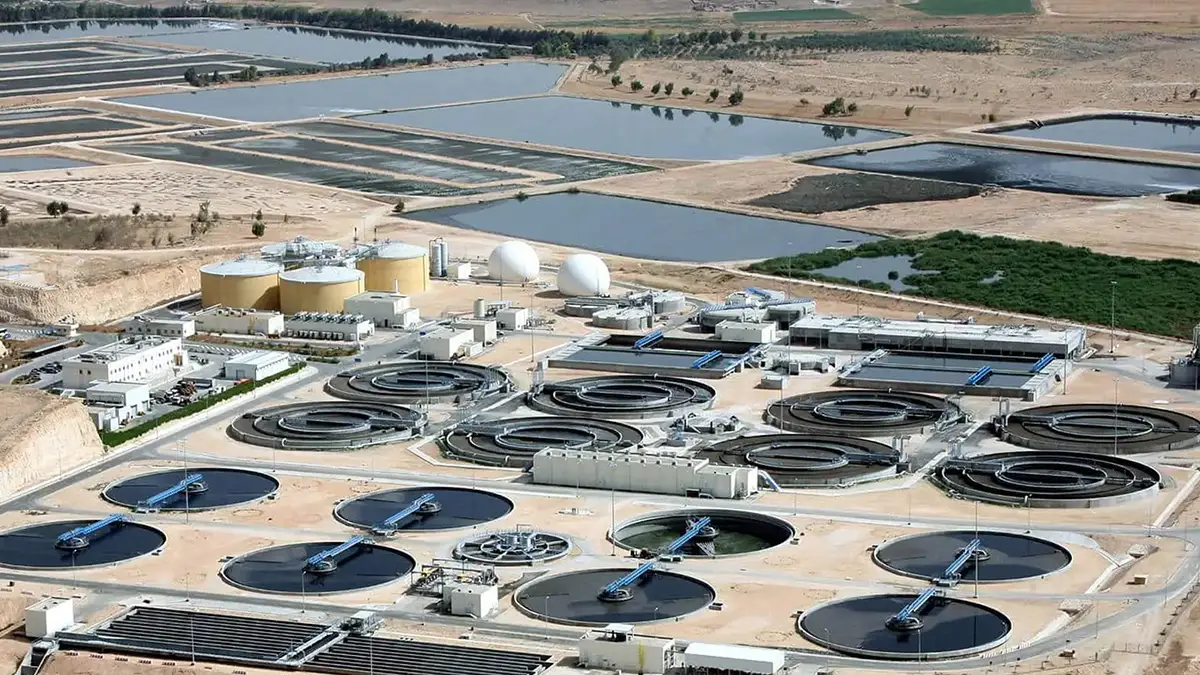
Wastewater Recycling Plants can be designed to recover treated wastewater for reuse in textile production processes or auxiliary operations. The selection of treatment technologies should begin with a clear definition of the water quality requirements at the intended reuse point.
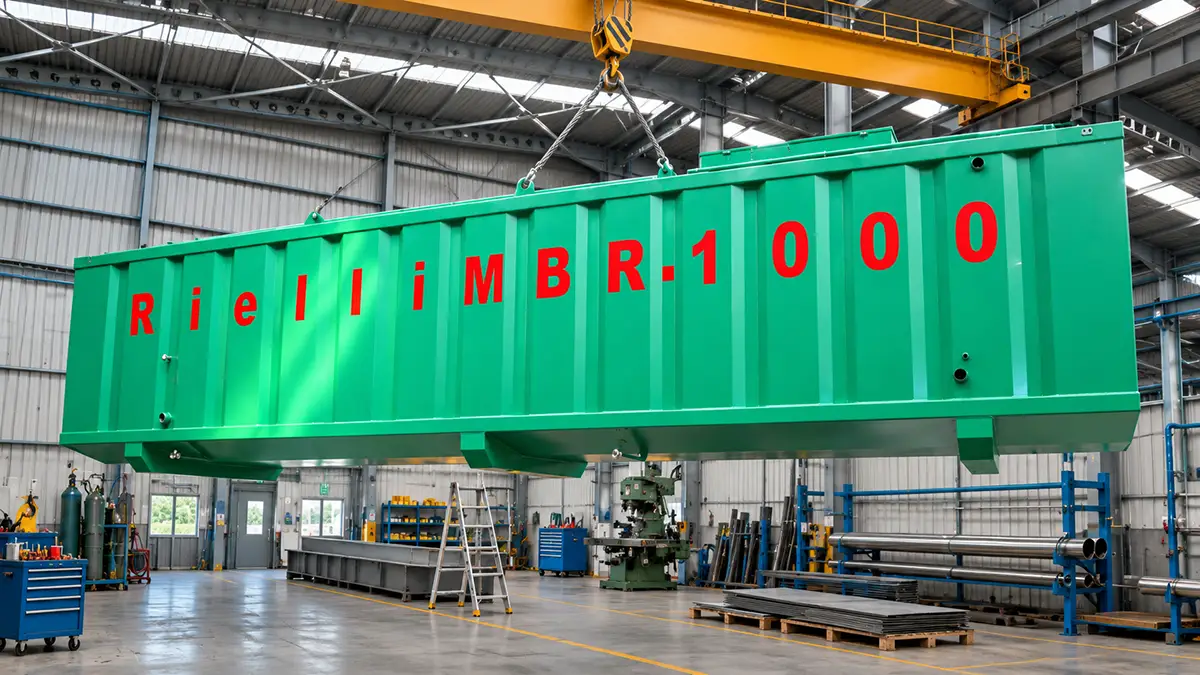
Membrane Bioreactor Plants and Modules combine biological wastewater treatment with membrane separation technology for wastewater streams suitable for biological treatment. Moving Bed Biofilm Reactor (MBBR) Systems may provide an alternative for new treatment facilities or upgrades involving biofilm-based biological treatment. However, MBR and MBBR technologies have different operating characteristics and should not automatically be considered interchangeable.
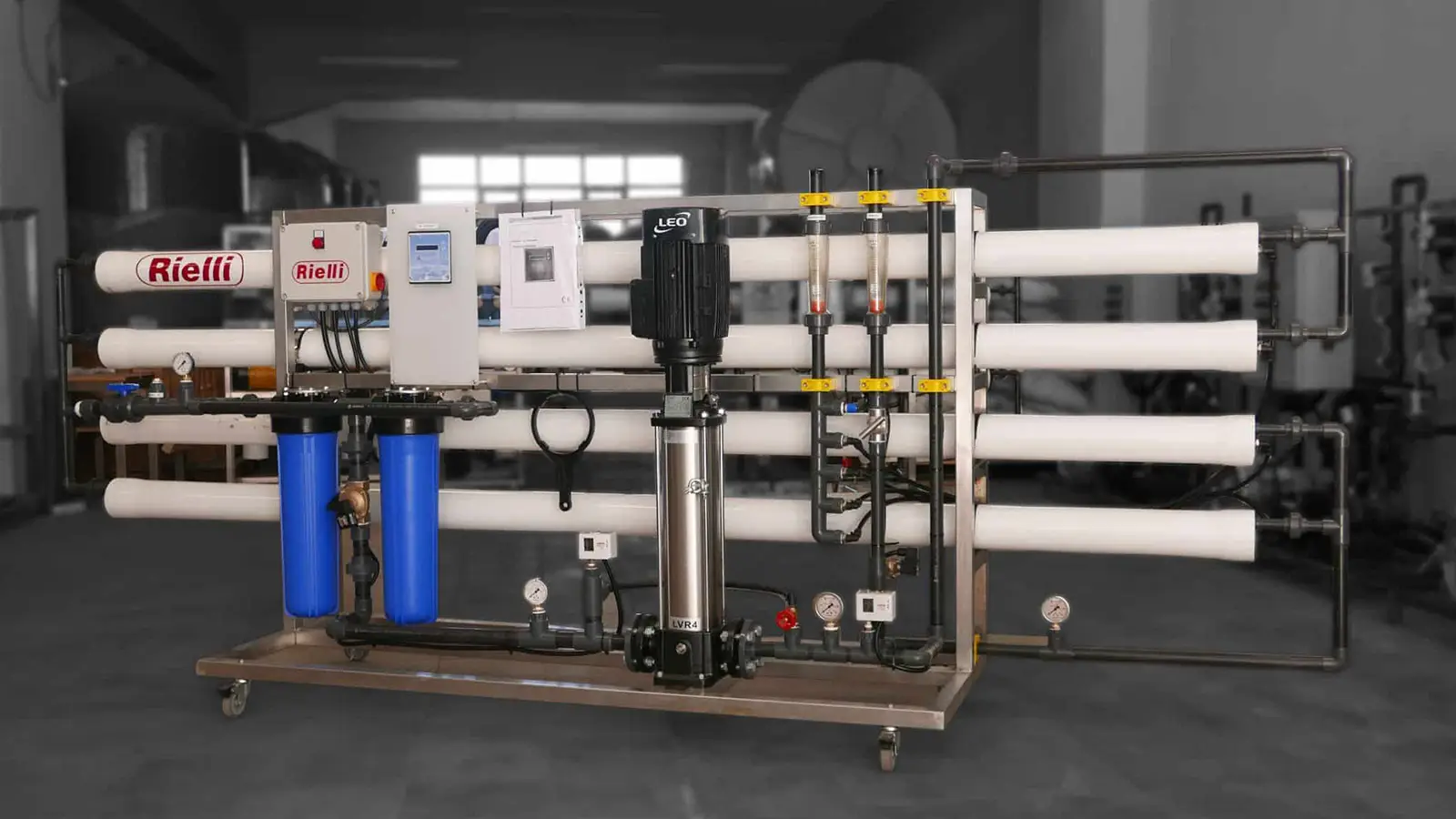
Reverse Osmosis (RO) Plants can be used when the reduction of dissolved salts is required to meet textile process water quality standards. In wastewater recycling applications, RO system selection must consider the characteristics of the water produced by upstream treatment processes.
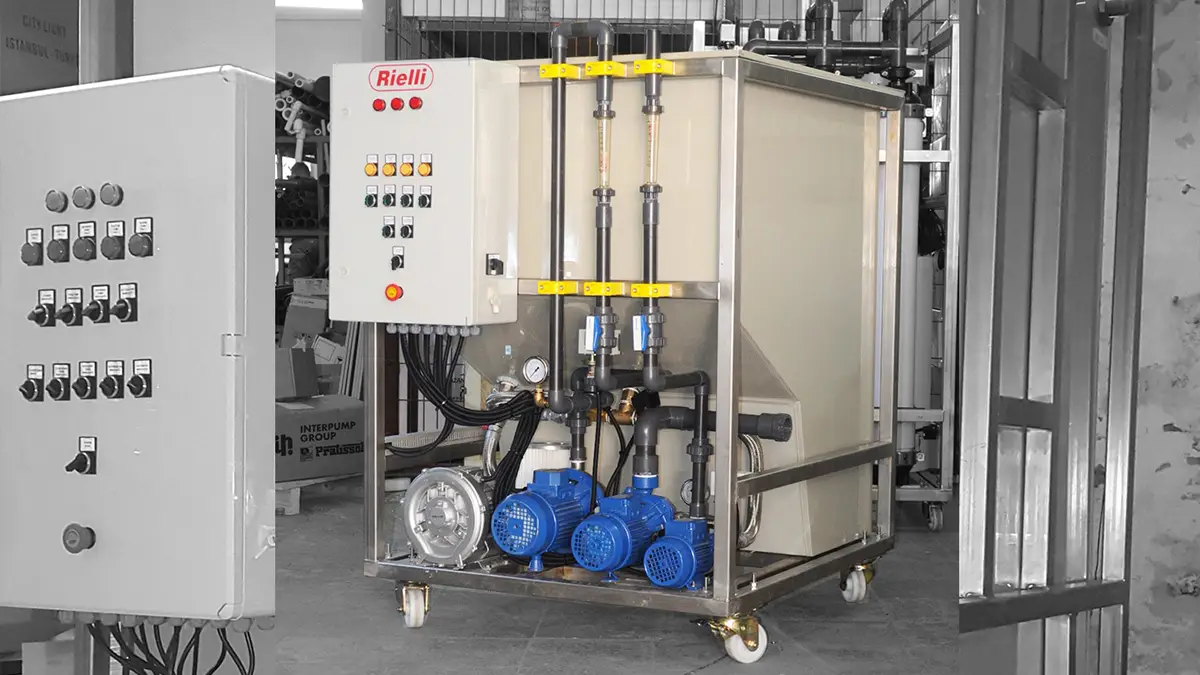
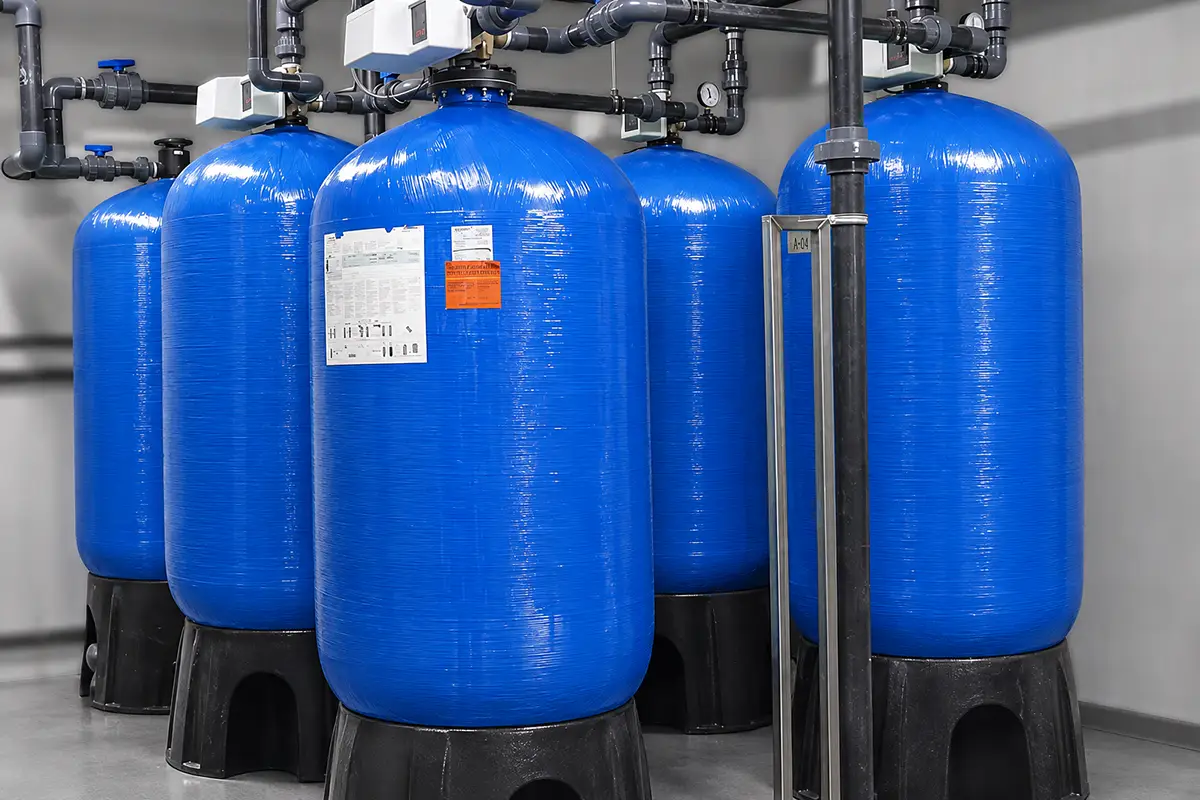
Water Softening and Demineralization Systems are selected according to specific hardness control or dissolved ion removal requirements. Water softening and demineralization serve different treatment objectives, and these differences should be clearly defined in the process water specifications.
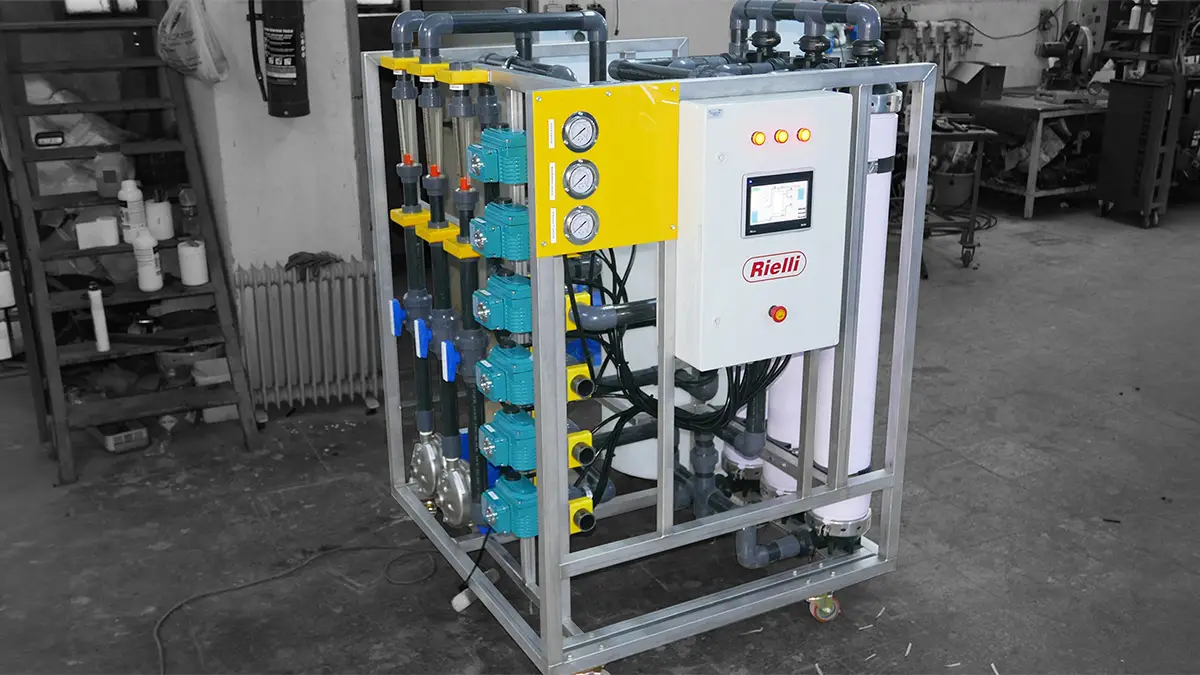
Ultrafiltration Units and Modules can be incorporated into treatment processes requiring suspended solids and turbidity reduction. Ultrafiltration is also commonly evaluated as a pretreatment stage for membrane-based water purification systems. However, UF should not be considered a substitute for reverse osmosis when dissolved salt removal is required.
What Information Is Required for a Textile Wastewater Recycling Project?
Developing an effective textile wastewater treatment and reuse system requires a detailed understanding of the facility’s water consumption patterns, production processes, and wastewater characteristics.
Key information includes daily and hourly water consumption, operating schedules of different production lines, raw water analysis, wastewater characterization, and the performance of existing treatment systems.
The technical and economic evaluation should also consider energy consumption, chemical requirements, membrane maintenance, sludge handling, and concentrate management. These factors are essential when assessing both initial investment costs and long-term operating expenses.
The U.S. Environmental Protection Agency’s Water Reuse in Industrial Applications Resources provides additional information and examples of industrial water reuse opportunities.
During the initial project assessment, Rielli can help identify wastewater streams with the greatest potential for recovery rather than treating all wastewater to the same quality standard.
For facilities with highly variable or insufficiently characterized wastewater, pilot testing may be recommended to evaluate treatment performance and determine appropriate process configurations.
Let's Evaluate Your Textile Facility's Water Treatment and Reuse Requirements
Every textile manufacturing facility has different water consumption patterns, production requirements, and wastewater characteristics. Selecting the appropriate treatment system begins with understanding these conditions.
Share your production processes, daily water requirements, and available water analysis reports to request a customized water treatment proposal for your textile facility.
You can also explore Rielli’s project references to review our engineering experience or visit our industries page to discover water treatment and recycling solutions for other industrial applications.